stinging nettle soup
April 14, 2012

This wonder plant is one of the first to come up in the spring. Nettles – despite their little stingers – have a long and auspicious history as a food source, medicine, and cloth. Did you know that fabric woven of nettle fibre has been found in burial sites dating back to the Bronze Age? And for centuries nettles have been used for a long list of ailments from arthritis to urinary tract disease, perhaps because they are chock-a-block full of vitamins A, C, iron, potassium, manganese, and calcium. Tasting a little like spinach, only earthier and grassier, they provide a super power boost to soups, sauces, and risotto alike. Oh, and by the way, they create a soup that’s actually this green!

300 grams nettle tops
3 tbsps olive oil
2 onions, chopped
2 leeks, cleaned thoroughly and chopped
4 celery stalks, chopped
5 garlic cloves, minced
4 tbsps basmati rice
8 cups veggie stock
sea salt and pepper to taste
With gloves on to avoid the sting in stinging nettle, wash the nettles thoroughly and remove the leaves from any tough stalks. Discard the stalks and set the leaves aside.
Heat the olive oil in a heavy dutch oven over medium heat. Add the onions, leeks, and celery stalks and sauté for about 10 minutes until they are soft but not browned. Add the garlic and sauté for another 2 to 3 minutes until fragrant. Add the rice and stir well. Add stock, bring to a boil, and let simmer for approximately 20 minutes or until the rice is done. Once the rice is cooked, add the nettles, and stir until they are totally submerged. Simmer for 2 to 3 minutes until the nettles wilt but don’t cook them for too long as you want them to keep their bright green colour.
Season with sea salt and pepper to taste. Purée the soup in batches in a food processor or blender. Return to the stove and adjust seasoning as necessary. Serve hot garnished with the first chives of the season for a truly local, healthy, medicinal meal.
nosso buco
March 31, 2012
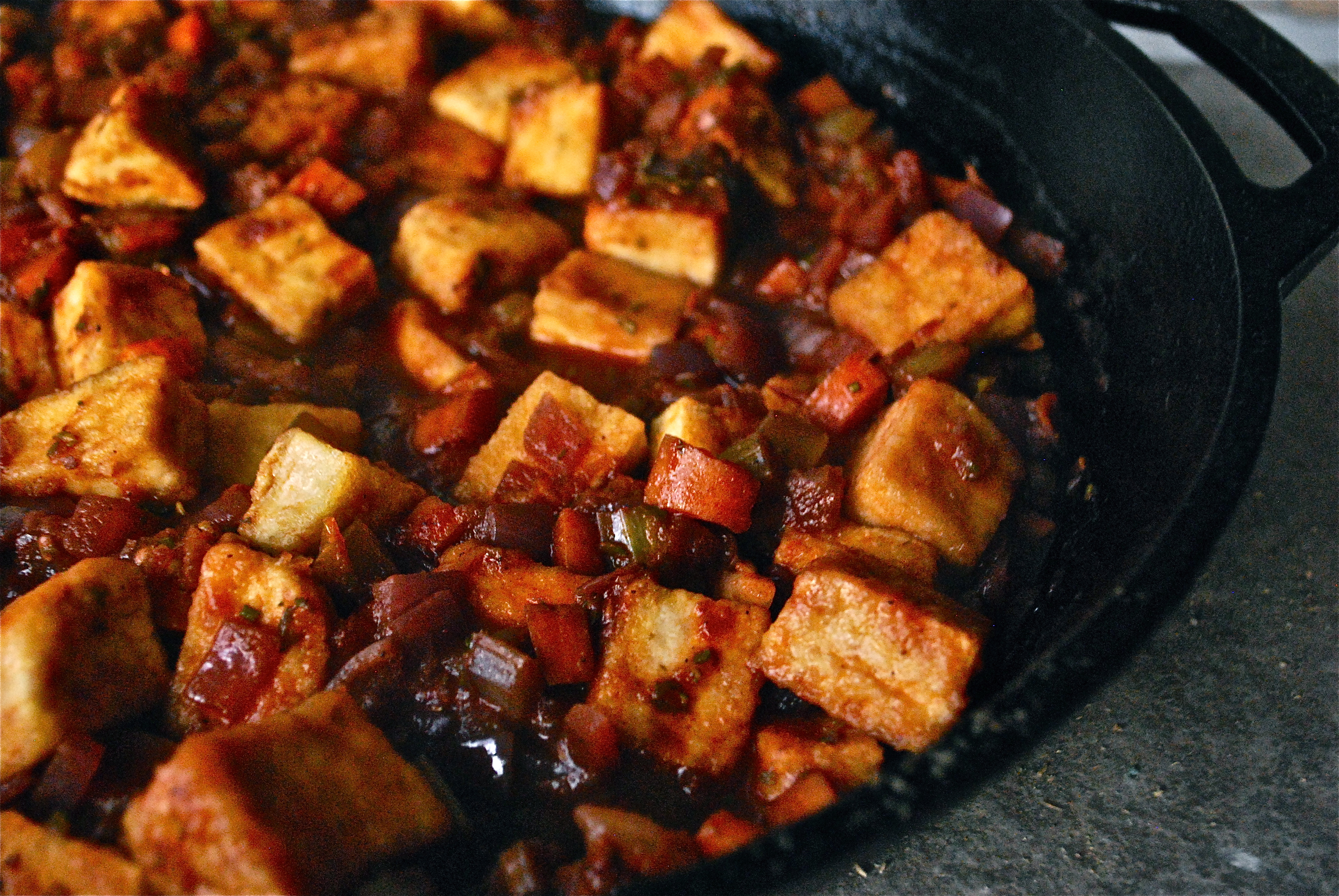
As many of you will know, osso buco is a Milanese specialty of cross-cut veal shanks braised with vegetables, white wine and broth. With the recent reporting out of Harvard on red meat consumption and how unhealthy it is, I was thinking a little nosso buco might nosso be a bad idea. “If you really want to go for the lowest possible (risk), it does look like not consuming red meat at all, or a couple times a year, is where you’d want to be” says Dr. Willet, a red meat lover himself. This recipe has all the benefits of osso buco but without the bad stuff. Simply substitute the veal for some crisped-up tofu and you’ve got a recipe that even the Milanese would have to agree rocks.
1/2 cup olive oil
2 large blocks of firm tofu, cubed about 1″ x 1″
1/2 cup cornstarch
1 onion, chopped
3 medium carrots, chopped
4 celery stalks, chopped
3 cloves garlic, minced
1 cup white wine
1 cup veggie stock
1 1/2 cups stewed tomatoes
1 bay leaf
2 tsps chopped thyme
sea salt and pepper
Start with the tofu. Heat 1/4 cup of the olive oil in a heavy bottom skillet. Toss the cubed tofu in the cornstarch until well-coated. and shake off the excess. Add them to the hot oil in batches so they aren’t too crowded. Fry, turning them as you go, until they are golden all over and have a thin crust. After they are cooked, transfer them onto paper towels. Set aside.
Meanwhile, heat the other 1/4 cup of the olive oil in a heavy bottom skillet. Add the onions, carrots, and celery and sauté until they are cooked and tender. Add the minced garlic and sauté for another minute or two until fragrant. Add the white wine and let bubble away until it’s reduced by half. Add the stock, tomatoes, bay leaf, and thyme. Bring to a boil and then turn the heat to low and simmer for about 20 minutes until the sauce is slightly thickened. Add sea salt and pepper to taste.
When the sauce is just right and the tofu is done, add the tofu to the sauce and stir gently and minimally until the tofu is just incorporated. Serve with garlic smashed potatoes, and, for a really authentic nosso buco, with a gremolata of lemon rind, garlic, and parsley on top.
ribollita
March 26, 2012
Ribolitta is a famous Tuscan soup, or potage. It almost always contains stale bread and beans, and a healthy portion of various veggies like carrots, celery, cabbage, cavolo nero, and onions. It literally means “reboiled” and embodies all the best of peasant food which, for me, equals frugality and simplicity but not at the expense of taste and artistry. Let the uber-chefs have their emulsified this and that; I’ll take good hearty farmstead food any day. This is a variation on the traditional Ribollita, if you can call it that. I’m sure every variation is a variation and there is no “pure” original. Build a base soup and add garlic rosemary croutons, a bit of garlic scape or sun-dried tomato pesto, and a drizzle of some really good quality Tuscan olive oil. No wonder Alice in Wonderland said “Beautiful soup! Who cares for fish, game or any other dish? Who would not give all else for two pennyworth of beautiful soup?” It’s all love….

Ribollita
1/2 cup olive oil
2 onions, sliced
1 large fennel bulb, diced
4 carrots, cut lengthwise and sliced
3 celery stalks, sliced
1 heaping tbsp tomato paste
1 cup white wine
14 oz plum tomatoes with their juices
1 tbsp chopped fresh rosemary
2 tsps thyme leaves
2 tbsps chopped fresh parsley
2 bay leaves
2 tsp cane sugar
4 1/2 cups veggie stock
2 1/2 cups cooked cannelli, great white northern, or navy beans
a bunch of kale, chopped, stems removed
sea salt and pepper
Garlic Rosemary Croutons
1 loaf stale sourdough bread or baguette
4 cloves of garlic, finely minced
1 sprig rosemary, finely chopped
4 tbsps olive oil
sea salt and pepper
Heat olive oil in a large dutch oven or heavy pot. Add chopped onion and fennel and sauté for about 5 minutes over medium-high until they begin to get tender. Add carrots and celery and continue to sauté for another 4 or 5 mintues, stirring ocassionally. Stir in the tomato paste and mix well. Add the wine, bring to a boil, and then let simmer for a couple of minutes.
Add plum tomatoes with their juices, herbs, sugar, and stock. Add some sea salt and pepper to taste. Bring to a boil and let simmer for about 30 minutes.
Meanwhile, heat the oven to 350 degrees. Chop the stale bread into large chunks. In a large mixing bowl, toss bread chunks with olive oil, rosemary, garlic, sea salt and pepper. Place on a cookie sheet and bake in the oven for about 10 minutes until the bread is nicely browned and crispy. Remove from the oven and set aside.
Place half the beans in a bowl and smash them with a potato masher. Add them, as well as the other half of the beans, to the soup. Add chopped kale. Let simmer for about 5 or 10 minutes. Adjust sea salt and pepper to taste.
To serve, place a small handful of garlic croutons in the bottom of a soup bowl. Ladle a good portion of ribollita over the croutons. Add a dollop of pesto on the top and a healthy drizzle of really good Tuscan olive oil. Serve hot and be forever grateful for the wonder that is soup.
sesame sprout salad
March 25, 2012

This is a cooling, refreshing noodle salad with a bit of heat from the chile peppers. It’s loaded with raw vegetables, fresh herbs, and sesame seeds which makes it both simple and complex. It’s simple in its preparation and list of ingredients; it’s complex in its flavours and the way everything comes together. And with micro-greens popping up in gardens mid-March (!) with this early, early spring, you can add a homegrown element to it as well.
1 package rice noodles
2 medium carrots
1 cucumber
1/2 red onion, sliced very finely
1 small red chile pepper, chopped finely
1 inch fresh ginger root, chopped finely
1 cup sprouts, radish, bean, alfalfa
small bunch cilantro, chopped
small bunch mint, chopped
3 scallions, chopped on the diagonal
1 tbsp black sesame seeds
2 tbsps rice vinegar
2 tbsps soy sauce
2 garlic cloves, minced
1 tbsp sesame oil
4 tbsps peanut oil
2 tbsps olive oil
bunch micro-greens for garnish
Bring a pot of water to boil. Add the rice noodles and cook for 3 minutes until they are done. Drain, rinse noodles under cold water, and set aside.
Meanwhile, slice the carrot and cucumber as finely as possible with a mandolin, knife, or better yet, vegetable peeler. Place in a large mixing bowl. Add onion, chile pepper, ginger root, sprouts, cilantro, mint, scallions, and the cooked noodles.
In a separate bowl, combine black sesame seeds, rice vinegar, soy sauce, minced garlic, and sesame, peanut, and olive oils. Mix well.
Pour dressing over the noodle mixture and toss gently until everything is mixed and coated nicely with the dressing. Place in a serving bowl and top with micro-greens like sunflower sprouts or miniature arugula.
baked pear with cinnamon and ginger
March 17, 2012

How much do I love this recipe? Let me count the ways. Number one, pear is an awesome, versatile, sweet (local and sustainable) fruit that should feature prominently on everyone’s weekly menu. Number two, I can’t say enough about cinnamon and ginger. We go through pounds of these two queens of the super spices in our tea, in our favourite tofu marinade, in stews and soups, and just about anything and everything. Number three, who can resist the temptation of carmelized organic cane sugar? (Enough said on that one.) And number four, with a dollop of coconut milk ice cream on the side, you get that hot/cold thing I’ve always loved as the ice cream melts into the sugary syrup.
3 – 4 medium-sized ripe pears
2 tbsps lemon juice
1/2 tsp cinnamon
1/4 tsp ground ginger
pinch nutmeg
3/4 cup organic cane sugar

Peel the pears. Cut them in half and scoop out the cores. Place in a small baking dish with the pears packed in tightly. Drizzle the pears with the lemon juice and then sprinkle with the cinnamon, ginger, and nutmeg.
In a small heavy-bottom saucepan, heat the sugar over medium-high heat stirring carefully until the sugar melts and turns to golden brown. Drizzle over the pears until they are coated evenly.
Bake the pears in a preheated oven at 375F for 30 minutes, or until the pears are completely tender. Serve with a dollop of coconut milk ice cream and a generous ladle of the sugary syrup.
tower of winter vegetables
March 11, 2012

We try our best to eat as seasonally as possible, within reason. Now that we’re into mid-March the pantry is getting a little low on stuff but we still have delicata squash, winter kale, and root veggies like parsnips. But how much can you really do with them? Well, quite a lot in fact. I made this tower of winter vegetables – delicata squash, steamed kale, parsnip sage risotto, baby beluga lentils, toasted squash seeds, and micro-greens – for a nice dinner the other night with friends in front of the fire. It’s not complicated but there are a number of steps so it’s best made when you’ve got a little extra time and you want to make something special. I put some absolutely outstanding squash jam with lavender on the side. It’s made by Stasis Preserves in Toronto and might just be one of my new favourite condiments.
For the sqaush
1 delicata sqaush
1 tbsp olive oil
1/4 tsp ground nutmeg
sea salt
Cut delicata squash into 1 – 2 inch slices. Scoop out the sqaush seeds and set the seeds aside. Place sqaush in a heavy-bottomed, oven-friendly frying pan. Drizzle with olive oil, nutmeg, and salt. Roast in a preheated oven at 375F until soft and slightly browned. Once done, remove the sqaush from the pan and set aside.
Clean the squash seeds. Pat dry with a tea towel. Heat a drizzle of olive oil in the same frying pan used for the squash over medium-high heat. Add the seeds and sauté them until they are crispy and nicely toasted. Let cool.

For the steamed kale
1 bunch of curly kale or other greens like chard, collard greens, spinach
1 tbsp lemon juice
sea salt
Clean the kale thoroughly. Tear it into large chunks and place in the top of a steamer. Steam over high heat until the kale is softened but not gone totally flacid. You want it to have some texture and presence to it. Once done, transfer to a bowl and season with a little lemon juice and sea salt. Set aside.
For the parsnip sage risotto
2 tbsps olive oil
1 onion, diced
2 large parsnips, diced
3 cloves of garlic, minced
1.5 cups of arborio rice
4 cups of veggie stock, heated
1 cup white wine, heated
a small bunch of fresh sage, chopped finely
sea salt and pepper to taste
Heat the olive oil in a heavy-bottomed dutch oven. Add the onion and sauté until tender. Add the parsnips and minced garlic and sauté another minute or two until the garlic is fragrant. Add arborio rice stirring constantly until evenly coated. Begin to add the stock and wine slowly. Remember, the key to good risotto is to 1) start with heated stock and wine, 2) stir constantly, and 3) add the liquid slowly until the rice is just covered. Let the rice absorb the liquid and then add a little more, again, until the rice is just covered. Repeat. Repeat. Repeat. Once the rice has reached the perfect state of al dente-ness add the sage and toss. Season with good sea salt and pepper to taste. Set aside.

For the baby beluga lentils
1 cup baby beluga lentils
1 carrot, quartered
1 celery stalk, quartered
1 onion, quartered
1 bay leaf
olive oil
sea salt
Clean and rinse lentils thoroughly. Place them in a saucepan with the carrot, celery, onion, and bay leaf. Cover with twice as much water, about 2 cups. Bring to a boil over high heat. Once boiling, turn the heat down and simmer until the lentils are tender, about 20 – 25 minutes. Once done, remove the bay leaf and vegetables. Drain the lentils. Put them back into the saucepan and drizzle with a little olive oil and sea salt. Set aside.

To assemble
Start with the roasted squash. Put it on the plate you are going to use to serve. Fill the cavity with risotto. Next, on a cutting board, pack the steamed kale into a circular cookie cutter about the same diameter as your squash. Use a wide knife to lift it off the chopping board and gently place on the squash. Do the same with the risotto – pack it into the cookie cutter and place it gently on the kale.
Next, add some squash jam or other condiment (onion confit, red pepper jelly) beside the squash in a nice presentation. Then drizzle the whole dish with the baby beluga lentils and toasted squash seeds. Finally, top with some micro-greens and serve with pride and a smile on your face.
tomato onion herb bread
March 11, 2012
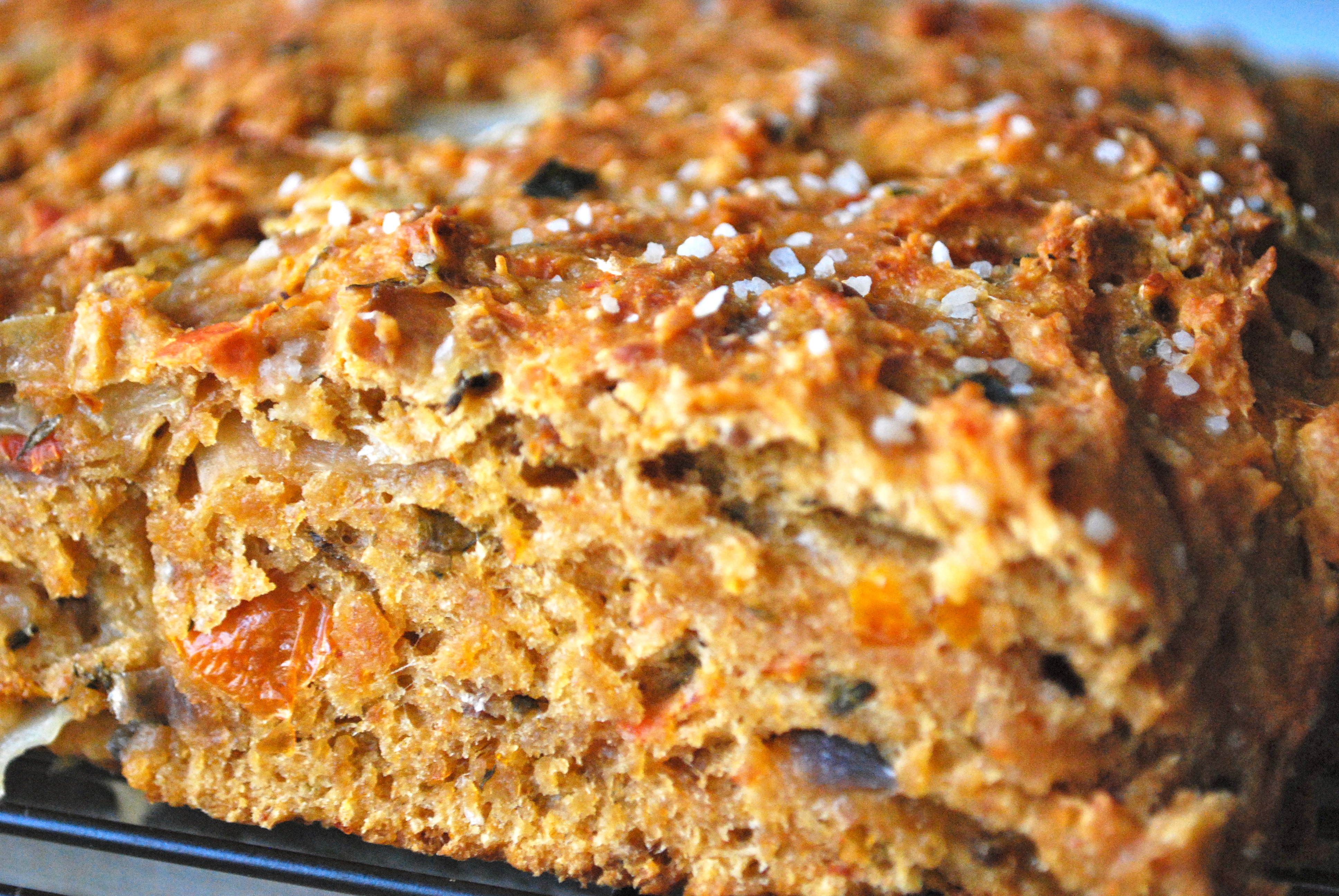
Tomatoes, onions, and herbs have always come together in a happy marriage. In this recipe they provide the building-blocks for a savory, versatile loaf topped with some smoked sea salt to provide additional depth of flavour. Any breadbasket would welcome a few pieces of this bread for the dinner table. It’s also great as a mid-afternoon snack, in the kids’ lunch bag, or some have even been known to eat it for breakfast.
1/4 cup chopped sun-dried tomatoes
1 cup hot water
4 tbsps olive oil
2 medium onions, diced
thyme and basil, chopped finely
2 tsps sea salt
1 lb fresh tomatoes, approx 5, chopped
1 cup whole wheat flour
4 cups all-purpose flour
4 1/2 tsps active dry yeast
2 tbsps sugar
course smoked sea salt
Pour hot water over the sun-dried tomatoes in a small bowl. Set aside and let soak for 1/2 hour or so.
Meanwhile, heat 2 tbsps of the olive oil in a heavy-bottomed skillet. Add chopped onions and 1 tsp salt. Cook the onions until they are soft and golden brown. Add the chopped herbs and sauté for another 1 – 2 minutes stirring often until the herbs are mixed in and you can smell the amazing aroma. Transfer to a small bowl and set aside.
Put the skillet back on the burner on medium heat, add the chopped tomatoes with their juices. Simmer for 5 – 10 minutes until they are tender and the liquids have boiled down. It should be slightly thickened and resemble a chunky sauce. Add the soaked sun-dried tomatoes with their water, 2 tbsps olive oil, and 1 tsp salt. Set aside and let mixture cool slightly.
In a large mixing bowl combine the whole wheat flour and 1 1/2 cups white flour with the yeast and sugar. Mix well. Add the tomatoes and liquid and mix well with a wooden spoon. Continue to add the rest of the white flour bit by bit until the batter is thick and elastic. Add the cooked onions and herbs. Combine well but don’t over work the batter. NB: You should have a sticky soft batter. This is not a dough that you knead but more like a stiff cake batter.
Oil a 9 x 12 rectangular baking pan with some olive oil. Spread the batter into the pan making sure to get it in the corners. Sprinkle with smoked sea salt. Cover, set aside, and let it rest until the batter rises to double its size, about 45 minutes.
Bake the bread in a pre-heated oven at 375F for 35 – 40 minutes until lightly browned and the bottom sounds hollow when tapped. Let the bread cool on a rack and then serve.
pico de gallo
March 4, 2012
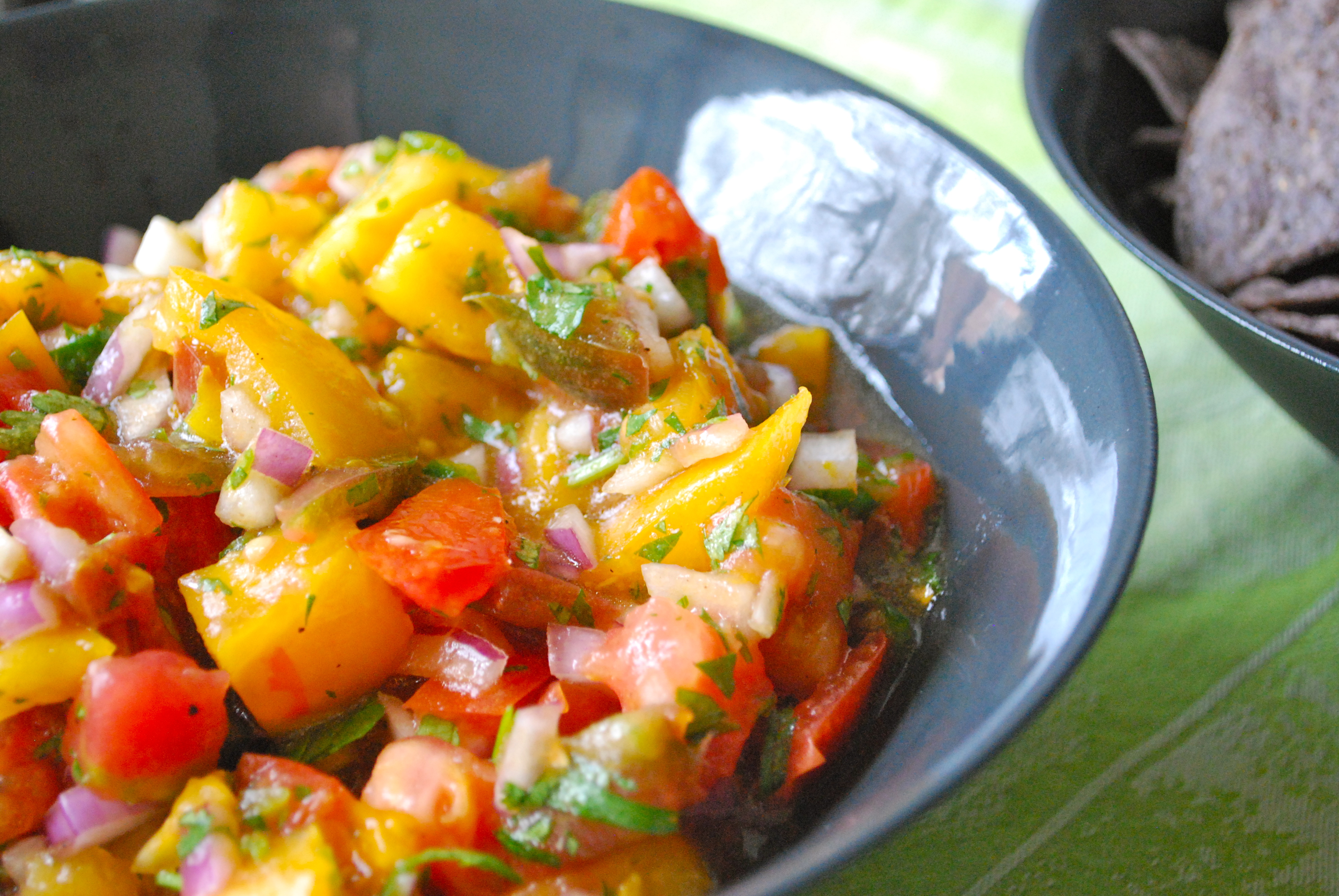
I think we ate our weight in pico de gallo when in Mexico. This ever present condiment, also called salsa fresca, is a must on a hot summer afternoon with corn chips, alongside a bean and rice burrito or open face guac sandwich for lunch, or at dinner as a side to blackened rice and black bean stew. It adds texture, flavour, and the freshness tomatoes, cilantro, and lime juice afford so elegantly. It only takes a second to make and is second to none when the kids have the munchies and need a healthy snack.
3 or 4 heirloom tomatoes, various colours, chopped
1 red onion, chopped finely
1 small jalapeño pepper, chopped finely
juice from 1 lime
3 tbsps olive oil
1 bunch cilantro, chopped finely
sea salt and pepper
Put everything in a mixing bowl and mix well. While this is a pretty traditional version, you can add cucumbers, radishes or firm fruit, such as mango as well.
lasagne with spinach and picada
March 3, 2012

My mom used to make lasagne with a veggie tomato sauce when I was little – this recipe is inspired by my memories of coming home to the smell of this quintessential comfort food baking in the oven. Of course her’s was doused in cheese. Mine is packed full of spinach with a garlicy picada crumble on top. It was my daughter, Rebekah, who both reminded me of that childhood favourite, and helped me come up with this new version. Those powerful food memories must run thick in the blood!
Tomato Vegetable Sauce
4 tbsps olive oil
2 onions, chopped finely
6 medium carrots, grated
6 celery stalks, grated
3 medium zucchini, grated
large handful enoki mushrooms
6 cloves garlic, minced
3/4 cup red wine
6 cups stewed tomatoes
1/4 cup tomato paste
basil, thyme, parsley, chopped
1 tbsp organic cane sugar
sea salt and pepper
Béchamel sauce
8 tsps olive oil
4 tbsps flour
2 cups rice or soy cream
pinch nutmeg
sea salt and pepper
Picada
1/2 cup almonds, toasted
2 slices white country-style bread
4 cloves garlic
sea salt
Plus
1 bunch of spinach, cleaned
1 package lasagne sheets
To make the sauce, heat olive oil in a heavy-bottom pot or dutch oven. Add the onions and sauté until they start to turn translucent. Add grated carrots, celery, zucchini, and mushrooms. Sauté until beginning to get soft, 3 – 5 minutes. Add garlic and sauté until aromatic, about another 2 minutes.
Add the red wine and let simmer until reduced by about half. Add stewed tomatoes and the tomato paste. Bring to a boil. Add chopped herbs, sugar, salt and pepper to taste. Turn down the heat and let simmer for about 30 minutes. Set aside for the flavours to meld.
Meanwhile, to make the béchamel sauce, heat the olive oil in a small pot on medium-high heat. Add the flour and stir until well blended. Let the mixture bubble away for a few minutes, stirring often so that it doesn’t burn. After 2 or 3 minutes, slowly add the rice or soy cream. It will immediately thicken as you add the first drops of cream. Add slowly and stir constantly until the sauce is smooth and well-blended. Turn down the heat and let simmer until thickened. Add a few pinches of nutmeg, sea salt and pepper to taste. Set aside.
For the picada, toast the almonds in an oven at 350F until they’re pale gold, 8 – 10 minutes. Remove and set aside. Meanwhile, slowly fry slices of white country-style bread in 2 tbsps olive oil until golden on both sides, or toast well in a toaster. Place the grilled bread or toast, almonds, 4 large garlic cloves and pinch of salt in a food processor to make a crumbly paste. Set aside.
Wash the spinach. Cook the lasagne sheets in boiling water, about 3 or 4 sheets at a time making sure they don’t stick to one another. Do not cook al dente, you want them to be a little underdone (4 – 5 minutes should do the trick). As they cook, set them on a clean tea towel until you’re ready to use them.
Once all the components are ready, start to build your lasagne. In a large baking dish, start with a layer of tomato sauce, add a layer of spinach, then a layer of pasta. Next add a layer of béchamel sauce, a layer of spinach, then a layer of pasta. Repeat until all the ingredients are done ending with a layer of béchamel sauce at the top.
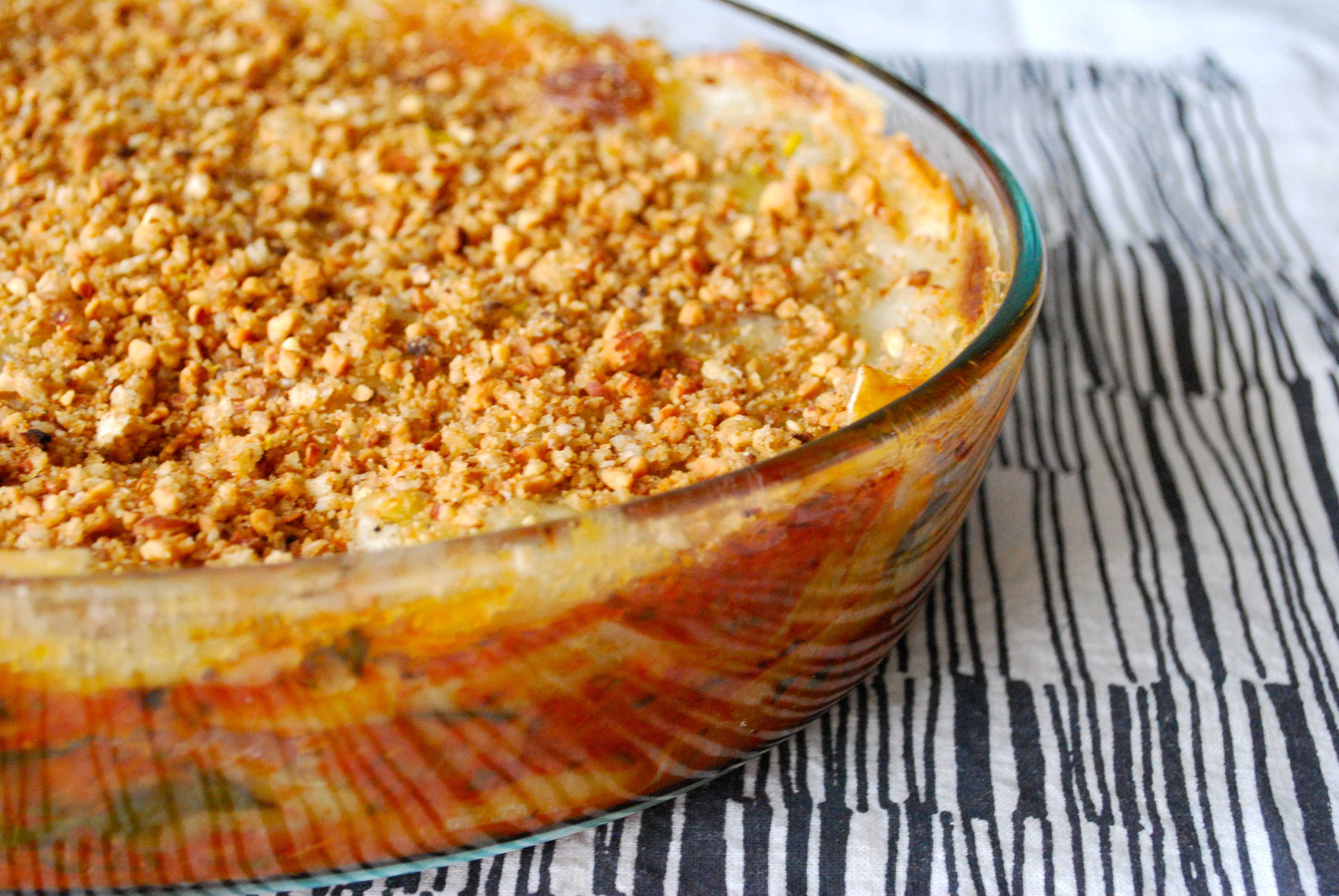
Bake in an oven at 400F for 30 minutes. Broil under high heat for another 3 minutes or so until top is golden brown. Remove from the oven and sprinkle with a generous amount of picada. Serve piping hot next to a crispy green salad.
vegetable tomato sauce
March 3, 2012
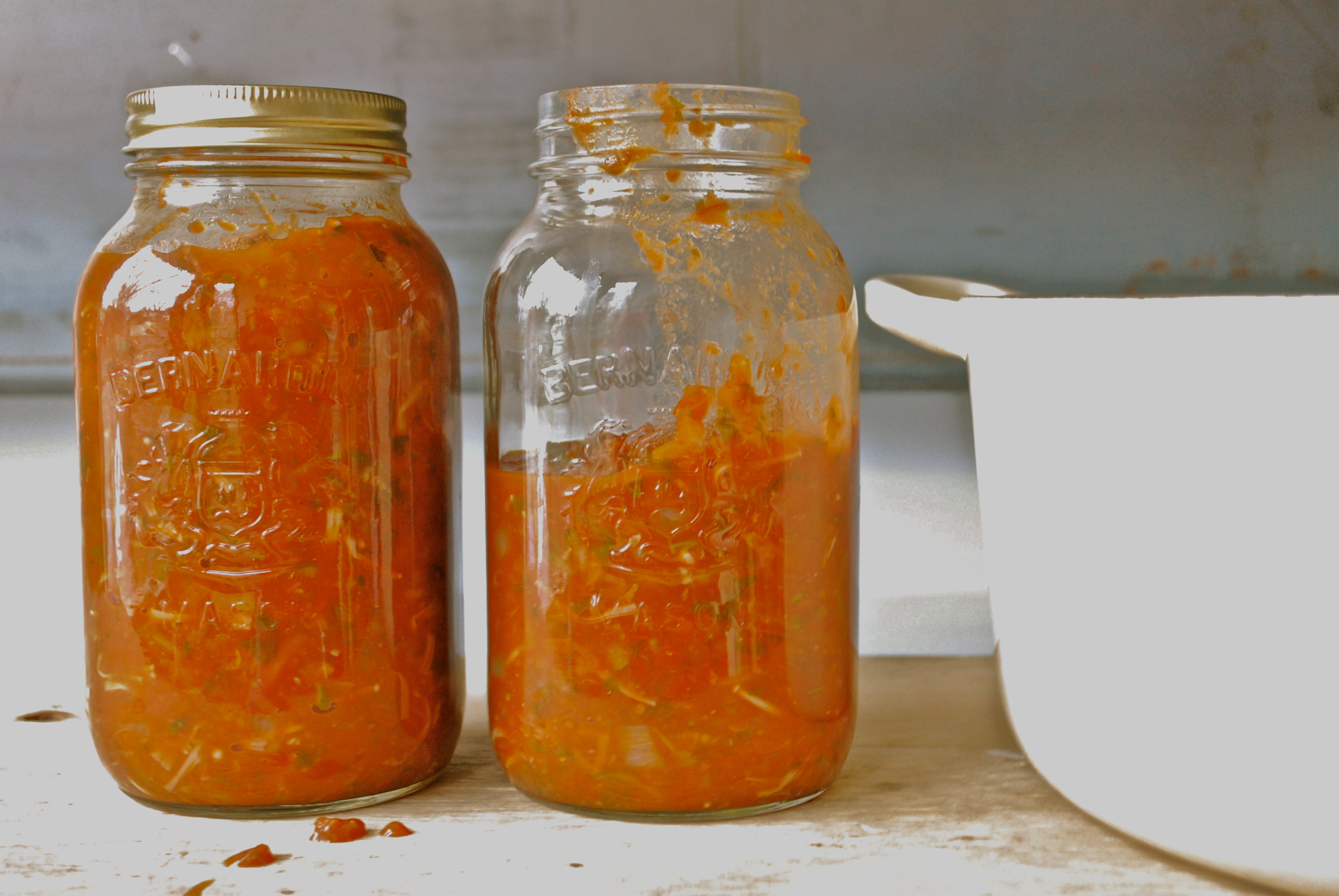
I came up with this sauce for my lasagne recipe based on an old favourite from my childhood. But don’t stop at lasagne. This sauce would grace the likes of any pasta large or small, sophisticated or plain, day or night. Make a big vat of it, let it sit for a couple of hours to cool and to let the flavours meld, and then store in containers in the fridge or freezer until inspiration hits or dinner duty calls. And since it’s packed full of veggies, it’s a great way to get those much needed nutrients into young picky mouths that otherwise might balk at the likes of green things like zucchini.
4 tbsps olive oil
2 onions, chopped finely
6 medium carrots, grated
6 celery stalks, grated
3 medium zucchini, grated
large handful enoki mushrooms
6 cloves garlic, minced
3/4 cup red wine
6 cups stewed tomatoes
1/4 cup tomato paste
basil, thyme, parsley, chopped
1 tbsp organic cane sugar
sea salt and pepper
To make the sauce, heat olive oil in a heavy-bottom pot or dutch oven. Add the onions and sauté until they start to turn translucent. Add grated carrots, celery, zucchini, and mushrooms. Sauté until beginning to get soft, 3 – 5 minutes. Add garlic and sauté until aromatic, about another 2 minutes.
Add the red wine and let simmer until reduced by about half. Add stewed tomatoes and the tomato paste. Bring to a boil. Add chopped herbs, sugar, salt and pepper to taste. Turn down the heat and let simmer for about 30 minutes. Set aside for the flavours to meld.
 v:gourmet