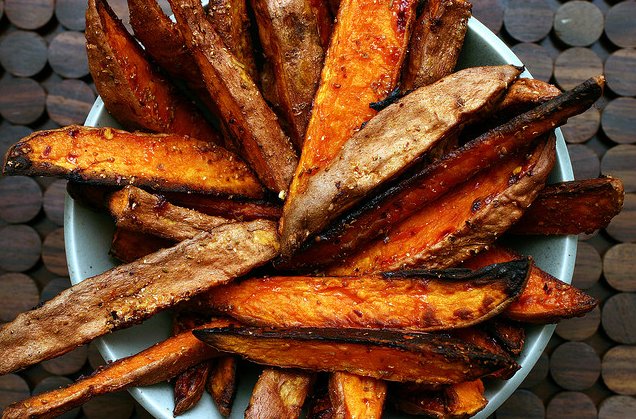
chickpeas with butternut squash lemongrass and coriander
January 16, 2011
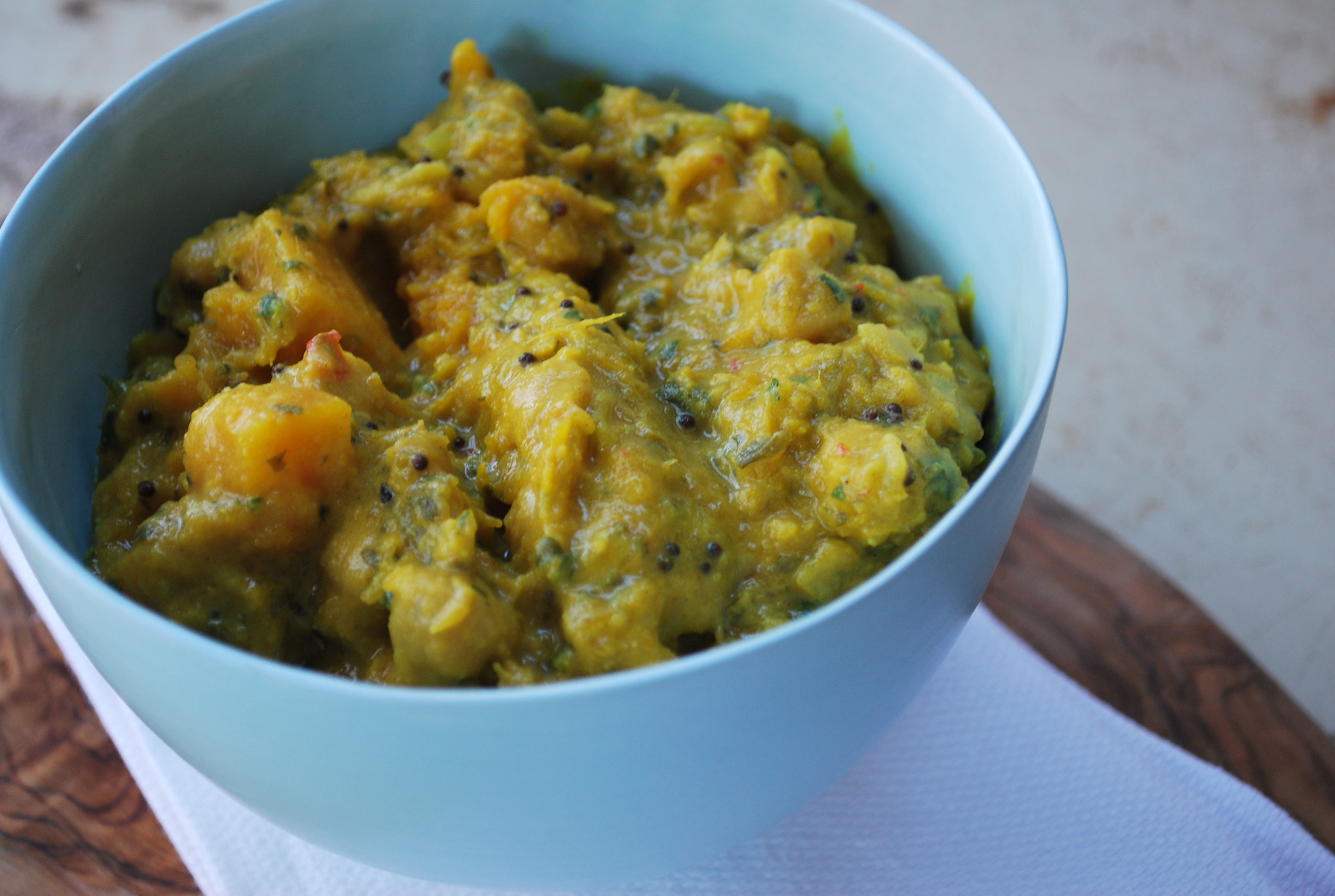
I have a confession to make – I have never cooked with lemongrass. I like lemongrass but it’s just never entered my lexicon or, more practically speaking, my pantry. I decided to change that last night by trying out Nigel Slater‘s recipe called chickpeas with pumpkin lemongrass and coriander. Since I don’t stock pumpkin but do stock all sorts of squashes I decided to make it with butternut squash instead. It was great over basmati rice with a few steamed sugar snap peas on the side.
200 grams dried chickpeas, soaked in mineral water for several hour, (or two cans cooked chickpeas)
2 medium onions
2 tbsp groundnut oil
4 cloves garlic
thumb-sized ginger
3 large stalks lemongrass
2 tsps ground coriander
2 tsps ground tumeric
6 green cardamoms
2 hot red chillies
500g butternut squash, peeled and seeded
250ml vegetable stock
400ml coconut milk
1 tbsp yellow mustard seeds
handful cilantro, chopped
2 limes, halved
Drain the chickpeas and bring them to the boil in deep, unsalted water. Let them simmer for 40 to 50 minutes, till tender.
Peel the onions and chop them quite finely. Pour the oil into a deep casserole and add the onions, letting them cook over a moderate heat till soft and translucent. Meanwhile, peel the garlic and the ginger, remove any tough leaves from the lemongrass, then make all into a rough paste in a food processor. Stir into the softened onions and continue to cook. Add the ground coriander and turmeric, then lightly crush the seeds of the green cardamoms and deseed and finely chop the fresh chillies before stirring them in.
Keep the heat fairly low and on no account allow the ingredients to brown.
Chop the pumpkin into large chunks, though no larger than you would like to put in your mouth, then add to the pan, along with the drained cooked chickpeas and the stock. Bring to the boil, then turn down to a simmer and continue to cook at a gentle bubble till the pumpkin is tender. Stop as soon as the flesh is yielding to the point of a knife, you don’t want it to collapse.
Stir in the coconut milk and continue to simmer. Put a splash of oil into a nonstick pan and tip in the yellow mustard seeds. As soon as they start to pop, add them to the pumpkin together with the coriander leaves. Serve with the rice and the lime halves, ready to squeeze over at the last minute.
fennel leek and parsley risotto
January 2, 2011

After a season of debauchery with the inevitable over-eating of heavy Christmas dishes we needed something fresh and green to start the New Year. Now most of you will probably not think of risotto as a nice, light, cleansing dish but this one comes pretty close. It’s bright, refreshing, and alive, and without the cheese and butter – which I’ve come to conclude is yummy but totally unnecessary – it is surprisingly light. This risotto won my heart.
2 tbsp olive oil
1 onion, diced
1 fennel bulb, diced
2 leeks, diced
3 cloves of garlic, minced
1.5 cups of arborio rice
4 cups of veggie stock
1 cup white wine
a small bunch of fresh parsley, very finely chopped
1/2 lemon
sea salt and pepper to taste
Heat the olive oil for the risotto in a heavy-bottomed dutch oven. Saute onion, fennel, and leek until tender. Add the minced garlic and saute another minute or two until the garlic is fragrant. Add arborio rice stirring constantly until evenly coated. Begin to add the stock and wine slowly. Remember, the key to good risotto is to 1) stir constantly and 2) add the liquid slowly until the rice is just covered. Let the rice absorb the liquid and then add a little more, again, until the rice is just covered. Repeat. Repeat. Repeat.
Once the rice has reached the perfect state of al dente-ness add the parsley and the juice of half a lemon and toss. Season with good sea salt and pepper to taste. Transfer to a serving bowl and serve. And have a little bowl of grated parmigiano on the table for those that want to indulge. And enjoy!
portobello mushrooms with cashews and herbs
November 28, 2010
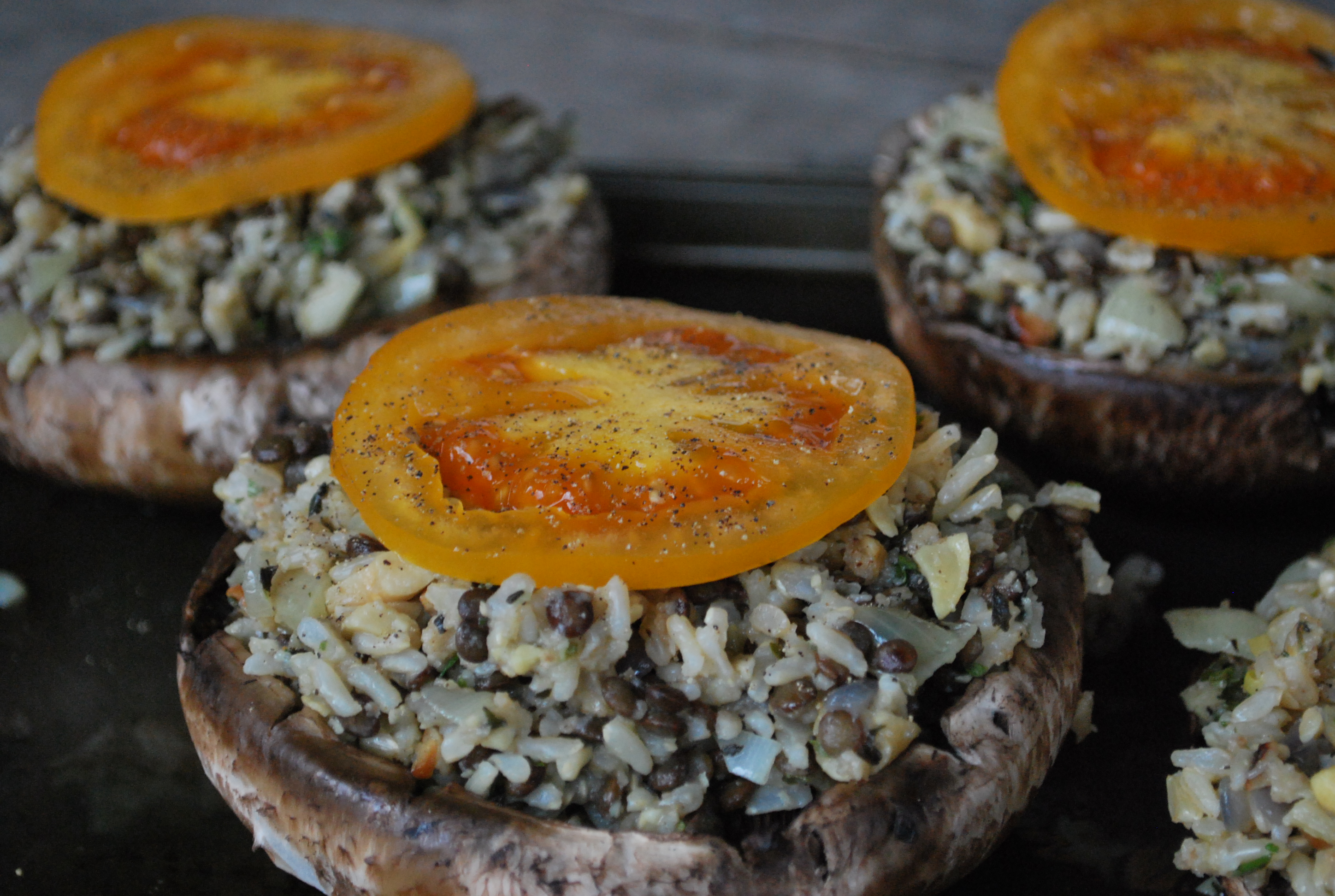
I was loving all the Thanksgiving recipes coming out of the states this past week. One that caught my eye was stuffed Portobello mushrooms. Last Christmas Lucy Waverman did portobello mushrooms with chestnut stuffing and I had wanted to try it but, let’s be honest, who ever has chestnuts around? So when I saw this one, it satisfied my desire to try stuffed portobellos with ingredients that happen to be in my pantry. I was told it would hold its own at the table and that it did! It may well show up on the Christmas menu this year.
1 large yellow onion, diced finely
1 cup cashews, chopped
2 tablespoons olive oil, plus extra for brushing
4 cloves garlic, minced
1 cup cooked brown rice (or grain of choice)
1 can lentils, drained and rinsed
1/4 cup breadcrumbs
1/4 cup vegetable broth
Lots of fresh herbs like basil, thyme, rosemary, and oregano
6 portobello mushrooms, stems and gills removed
1 tomato, sliced in thin rounds
Sea salt
Freshly ground black pepper
1. Preheat oven to 350 degrees Fahrenheit.
2. In large skillet, sauté the onions and cashews with 2 tablespoons olive oil over medium high heat. Season with salt and pepper to taste, and sauté until onions are soft and lightly browned. Add garlic and let cook a few more minutes.
3. In a large bowl combine onion mixture, brown rice, lentils, breadcrumbs, vegetable broth, basil and thyme. Mix together and season to taste with salt and pepper. (The stuffing can be made up to three days in advance and stored covered in the refrigerator.)
4. Brush both sides of mushroom caps lightly with olive oil and place top-side down on an oiled sheet pan. Stuff mushrooms with about 1/2 cup lentil cashew stuffing, then press one tomato slice on top of the stuffing. (The mushrooms can be stuffed and assembled on a baking tray the day before you plan to bake and serve them.)
5. Bake for approximately 30 minutes, or until the stuffing is browned and the mushroom begins releasing juices. Garnish with extra fresh thyme leaves.
adapted from Chef Chloe
roasted spicy sweet potato wedges
October 30, 2010
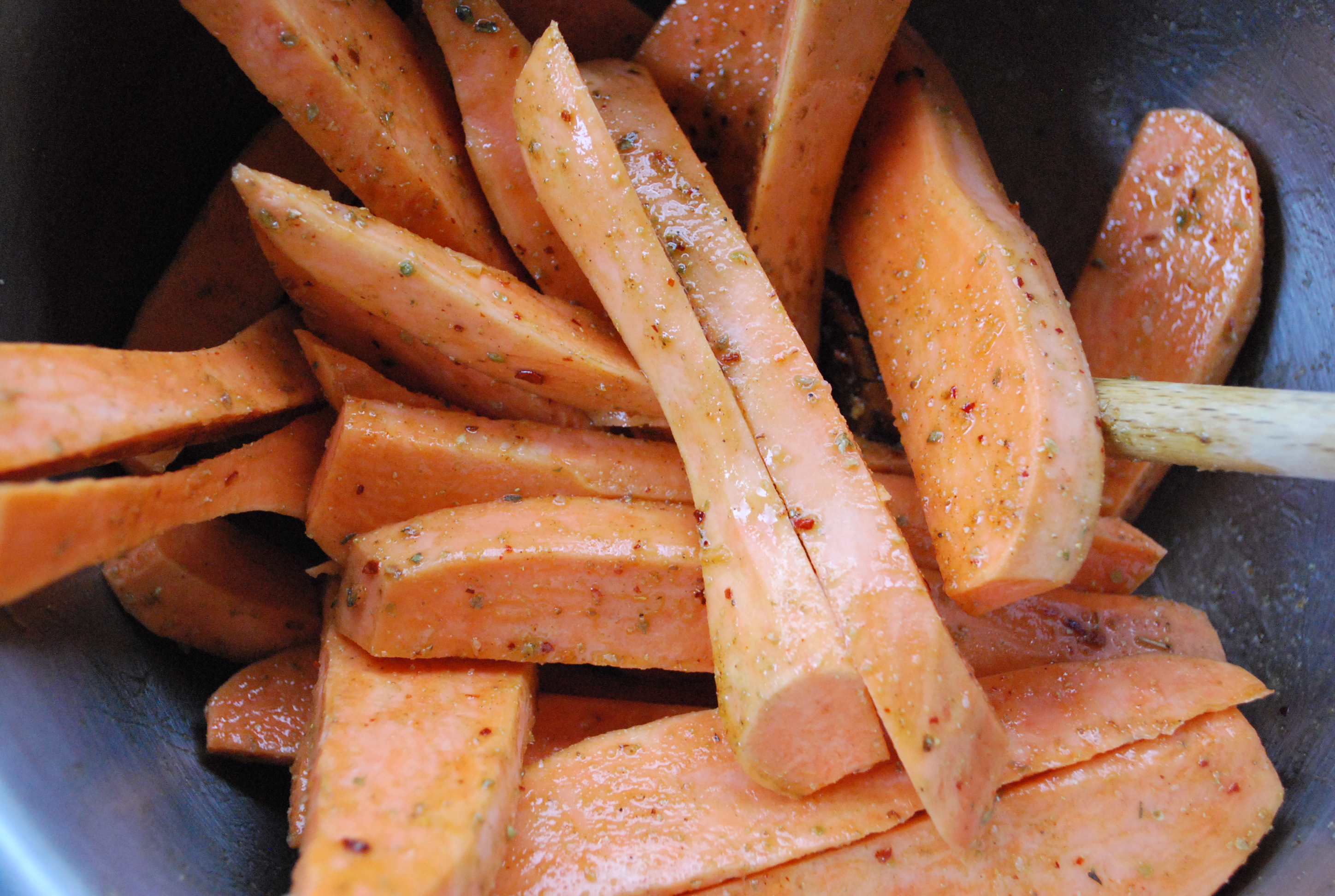
Today was ode to the sweet potato. Not sure why other than I had wanted to experiment with Sweet Potato Pâté (hopefully coming soon to v:gourmet), I bought too many, and was looking for other things to make with this amazing but undervalued tuberous root. I found this recipe on a new blog – smitten kitchen – that I discovered while getting my hair cut. Go figure. It got 5 out of 5 from Bekah and her friend Katya. We ate it with the Tagine and Socca. A great triad if there ever was one.
1 teaspoon coriander seeds
1/2 teaspoon fennel seeds
1/2 teaspoon dried oregano
1/4 to 1/2 teaspoon dried hot red pepper flakes (the latter will make them quite spicy, so using according to your preferences)
1 teaspoon sea salt
2 pounds medium sweet potatoes
3 tablespoons vegetable oil
Preheat oven to 425°F. Coarsely grind coriander, fennel, oregano, and red pepper flakes in an electric coffee/spice grinder or with a mortar and pestle. Stir together spices and salt. Cut potatoes lengthwise into 1-inch wedges. Toss wedges with oil and spices in a large roasting pan and roast in middle of oven 20 minutes. Turn wedges over with a spatula and roast until tender and slightly golden, 15 to 20 minutes more.
Recipe adapted from smitten kitchen
socca
October 30, 2010

Last spring my friend Emily and I went on a yoga retreat on the shore of Lake Simcoe. It seems like a decade ago now but I can still conjure up the feeling of sitting under a huge maple tree, overlooking the vast expanse of the lake, wind and sun soaking us with their warmth. A lovely young woman, whose name I now can’t remember, made all the food. Not only was it delicious but completely vegan. For afternoon tea she made socca. Something I had never heard of before. Turns out it’s a dish traditionally made by women in Nice overlooking the Mediterranean, which was apropos to the sun, wind, water, and comraderie of the retreat.
I read on a food blog that with socca “you ain’t re-creating the Mona Lisa: socca is meant to be in rough shards, eaten with your fingers, and is especially good after a long day on a sun-saturated beach when your skin is tingling with sand and you can lick your lips and taste the sand of the Mediterranean.” I get that, and would love to be there, but it’s also especially good after a errand-packed Saturday on a cold, fall day with Tagine and Roasted Spicy Sweet Potato.
1 cup plus 2 tablespoons (280ml) water
3/4 teaspoon sea salt
1/8 teaspoon ground cumin
2 1/2 tablespoons olive oil, divided
freshly-ground black pepper, plus additional sea salt and olive oil for serving
1. Mix together the flour, water, salt, cumin, and 1 1/2 tablespoons of the olive oil. Let batter rest at least 2 hours, covered, at
room temperature.
2. To cook, heat the broiler in your oven. Oil a 9- or 10-inch (23cm) cast-iron or non-stick pan with the remaining olive oil and
heat the pan in the oven.
3. Once the pan and the oven are blazing-hot, pour enough batter into the pan to cover the bottom, swirl it around, then pop it
back in the oven.
4. Bake until the socca is firm and beginning to blister and burn. The exact time will depend on your broiler.
5. Slide the socca out of the pan onto a cutting board, slice into pieces, then shower it with coarse salt, pepper, and a drizzle of
olive oil.
6. Cook the remaining socca batter the same way, adding a touch more oil to the pan between each one.
From The Sweet Life in Paris. Photo credit: David Lebovitz
spicy pumpkin and fennel soup with carmelized apples
October 10, 2010

I came across a lovely, big pumpkin the other day in all its autumn glory. It was a Rouge Vif d’Etamps. I just love the name but beyond it’s moniker – also called a Cinderella Pumpkin – it’s a unique French heirloom pumpkin. They say that it is the variety cultivated by the Pilgrims and served at the second Thanksgiving dinner. How apropos. They are beautiful, and tasty, a fact to which this soup can attest.

3 lbs pumpkin (or orange winter squash), peeled, seeded and cubed
2 cups fennel, sliced
1 tbsp olive oil
1 medium onion, chopped
2 cloves garlic, minced
1 tsp cumin
1 tsp coriander
1/4 tsp turmeric
1 tsp sweet paprika
1/2 tsp cayenne pepper
1 1/2 cups veggie broth
1 to 2 cups fresh cider
1 bay leaf
salt and pepper
1 apple, cubed
2 tbsps organic cane sugar
Heat oil in a large saucepan over medium heat. Add onion, cook 5 minutes, or until softened. Add garlic and saute for another minute or two. Add cumin, coriander, turmeric, sweet paprika, cayenne pepper and saute for another minute or two.
Add pumpkin and sliced fennel. Pour in veggie broth and 1 cup cider. Add bay leaf. Bring to a boil; cover and simmer for 25 minutes, or until pumpkin is tender. Remove and discard bay leaf. Puree in batches; return to saucepan. Add salt and pepper to taste. If soup is too thick, thin it with remaining 1 cup of cider as needed.
Meanwhile, peel, core, and cube apple. Sprinkle with sugar. Heat a frying pan on the stove on medium high. Saute apples until carmelized and nicely brown. Ladle soup into bowls. And top with carmezlied apples, seeds and/or nuts (I used curried cashews).
french toast with coconut milk and banana
October 7, 2010

The kids in our house love French Toast. It’s an almost daily routine – throw some cinnamon bread on the griddle for breakfast, lunch, dinner, snack, you name it. One weekend I decided to try this vegan version to test the limits of their adoration for this comfort food. Full disclosure: they didn’t love it. But we did! They had a hard time switching gears to the banana and coconut milk but for us it was a lovely indulgence on a Saturday morning.
1 banana
1 cup coconut milk
1 tsp vanilla
1/4 tsp freshly grated nutmeg
1/4 tsp cinnamon
1 1/2 tsp arrowroot powder (or cornstarch)
1/4 tsp salt
1 loaf of good french-toast-making bread
Place all ingredients (except bread) into a blender and blend until smooth. Pour into a large shallow bowl and set aside.
Slice bread into 8 thick slices. Heat a griddle or pan and brush with oil. Submerge bread slices in the batter, lift out with a pair of tongs and place on the hot pan. Cook until golden brown, flip and cook on the reverse side. Serve immediately with your favourite topping.
Adapted from Rebar Cookbook.
flageolet soubise
September 21, 2010

I sourced some amazing flageolet beans on the weekend. Flageolets are tiny, tender French beans. They are delicate in flavor, and are considered the darling of the French bean connoisseur. Essentially, they are tiny French kidney beans that possess a pale green hue and boast a tenderness like none other. So tonight’s dinner theme was “ode to the flageolet.” I made two versions. One you see below – Flageolets Soubise – a recipe inspired by Jamie Kennedy. The other was Flageolet à la Provençal. Both were delicious. The troops were divided on which one they preferred. I’d take both. Why choose? Life’s too short.

FOR THE FLAGEOLETS
240g fresh flageolet beans (or 180g dried)
1 clove of garlic, sliced thinly
12 peeled pearl onions
4 carrots, of various heirloom varieties, scrubbed and sliced thickly on bias
1 bay leaf
sprig of fresh thyme
salt to taste
1. Place all ingredients except salt in a large saucepan. Cover with cold water and bring to a boil. Reduce to a simmer and cook for approximately 30 minutes.
2. Season to taste with salt.
FOR THE SOUBISE
4 medium-sized onions, peeled and sliced thinly
200g olive oil
salt to taste
Cider vinegar to taste
1. Place sliced onions and olive oil in a saucepan and cook slowly until onions are transparent, but not browned.
2. Transfer to a blender and process until pureed.
3. Season with salt and a touch of cider vinegar.
FOR THE PRESENTATION
Warm an oval ceramic serving dish in the oven. Pour some soubise on the base of the dish. Spoon the beans and carrot mixture on top of the soubise. Serve immediately.
flageolet à la provençal
September 20, 2010

Tonight was “ode to the flageolet.” I made two dishes. This one, and Flageolet Soubise. Both were awesome. And hearty. And healthy. And full of organic goodness. Here’s how it’s done:
3 tbsp. good quality olive oil
3 large shallots, sliced
1 large garlic clove, minced
2 fresh tomatoes, diced
28 oz. flageolet beans, cooked
1/3 cup white or red wine, whatever you happen to have open
1 tsp sea salt
Freshly ground pepper
sprigs of thyme or rosemary
In a non stick, fry pan, heat the olive oil, add the shallots and garlic, sauté on medium heat until the shallots are soft but not brown. Add the diced tomatoes along with the flageolet beans and the wine. Continue to cook for a further 5 minutes or until the beans are not soupy.
Add the sea salt, pepper and herbs. Taste for seasoning.
Serve. Eat. Enjoy.
rustic peach galette
September 10, 2010

It’s hard to resist fresh Ontario peaches at this time of year. I bought way too many at the market the other day so decided to experiment with this Rustic Peach Galette. I have to admit I’m a total pastry snob – blame it on my mom. She comes from a long line of very adept bakers. Her pastry makes every other pastry seem tough, lifeless, and not worthy of its contents. Problem is it’s got butter and eggs. I was ecstatic when I found pre-made vegan pastry at the health food store. Truth be told, it doesn’t come close to the tastiness of my mom’s but it’s not bad. I served this galette at a dinner party the other night and the peaches got 6 out of 6; pastry got 4 out of 6. But every plate was licked clean. You got to admit, it looks pretty damn good!
¼ cup sugar
2 tablespoons flour
¼ teaspoon cinnamon
1 teaspoon pure vanilla extract
2 large peaches, pealed, pitted, and sliced
extra flour for workspace
¼ cup maple syrup
extra sugar for top of galette
1. Thaw the pre-made puff pastry dough.
2. Line a baking sheet with parchment paper and place dough on top.
3. In a medium bowl whisk together sugar, flour, cinnamon, and vanilla. Add peaches.
4. Fan peaches in a circular shape in the center of the dough circle, leaving a 1-2 inch border.
5. Fold dough over peaches and refrigerate for 15 minutes.
6. Remove unbaked galette from refrigerator and brush dough with maple syrup. Sprinkle extra sugar over the dough and fruit. Bake for 30-35 minutes in a preheated oven at 375 degrees until crust is lightly browned.
Adapted from Chef Chloe Blog
 v:gourmet