cassoulet
January 20, 2011
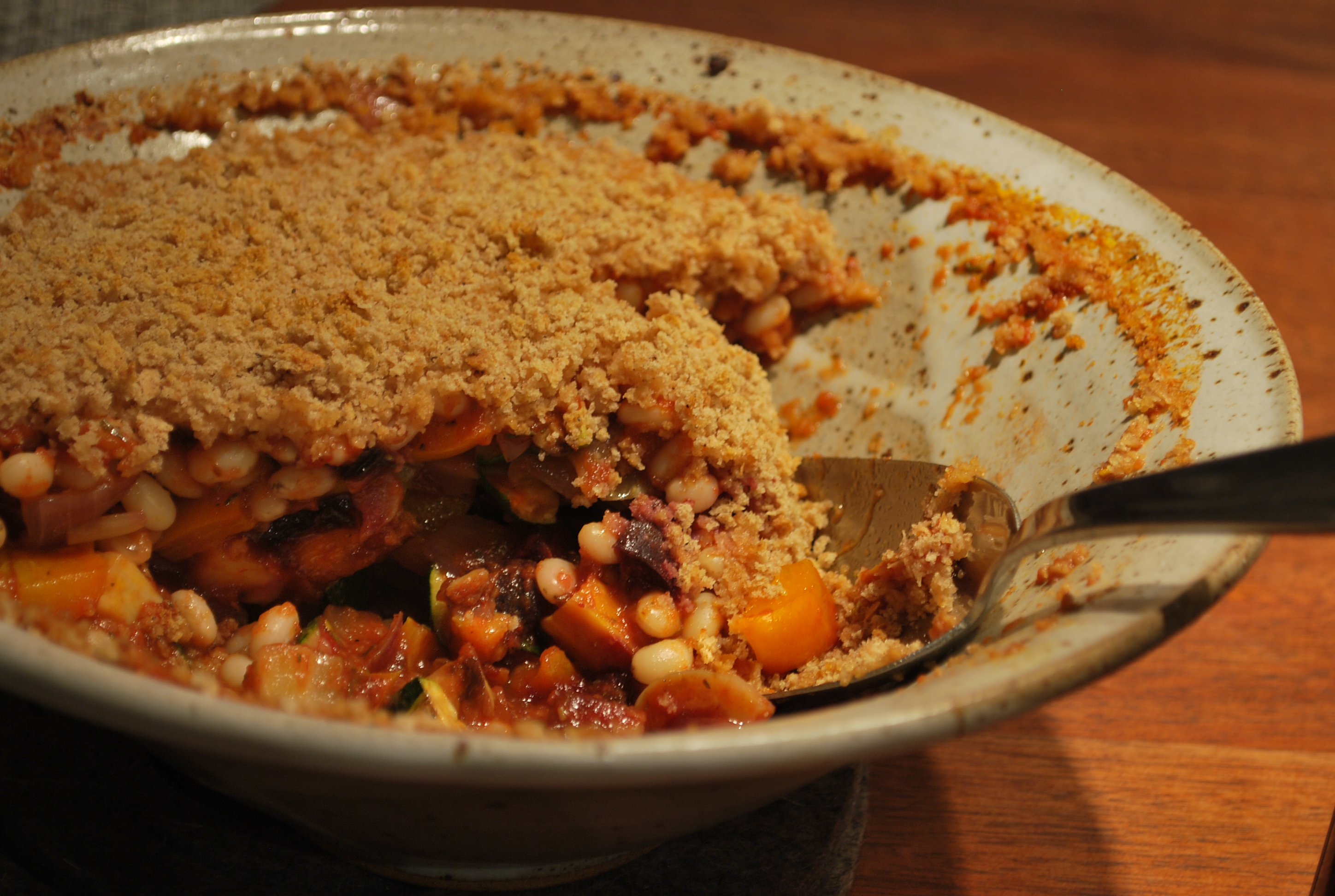
Before you get the cassoulet recipe you get a little history lesson. Did you know that “according to legend, cassoulet was invented during the Hundred Year War (1377 to 1453) when the fortress town of Castelnaudary in Southwestern France was besieged by the British and the locals were reduced to near starvation. Out of this hunger and desperation, Cassoulet was born from the meager dried beans, sausage and preserved poultry supplies on hand. Cassoulet was named for the cassole, the primitive earthenware pot in which the cassoulet is cooked. The two are inextricably linked, as its distinctive shape, slanted narrow at the base and wide at its mouth maximizes the beans’ exposure to the oven’s heat, forming the true cassoulet’s signature crust.” If you want to read more, click here.
So fast forward 600 years and alas near starvation is not imminent and the sausage and poultry supplies not abundant. But the taste buds are craving a hearty French dish and I’m curious as I’ve heard the cassoulet has garnered a sort of cult status among the culinary cognoscenti. What to do? Veganize it of course. Julia Child would be horrified, as would be the good people of Castelnaudary. But oh well. Can’t worry about that.
2 cups haricot (or navy) beans, cooked
2 cups assorted vegetables (sweet potatoes, carrots, turnips, fennel, celery, onions, sweet peppers, zucchini, parsnips), roasted
olive oil
2 cloves garlic
sprigs of thyme, rosemary or other herbs of choice
4 or 5 sun-dried tomatoes
can of tomato sauce
1.5 cups bread crumbs
2 cloves garlic
parsley
salt and pepper to taste
Soak the beans overnight and discard the water. Simmer soaked beans slowly in fresh unsalted water until done. Drain them and save the liquid.
Peel vegetables if necessary and cut into bite size chunks. Spread them out in a single layer on a roasting pan, or cookie sheet. Drizzle with enough olive oil to coat lightly, and stir them up with a little salt and pepper. Add a few peeled and split garlic cloves and herbs to taste (a couple of sprigs of fresh thyme and rosemary and a bay leaf or two). Roast vegetables at 350 degrees; longer-cooking vegetables like sweet potatoes, carrots, turnips, fennel, celery, and onions can be roasted together; slower-cooking vegetables like zucchini, red peppers, and parsnips can be added slightly later in the roasting process.
Soak sun-dried tomatoes in freshly boiled water for a few minutes until soft. Drain, saving the water, and chop coarsely.
Then prepare the stock. In a large saucepan heat 2 cups or so of the bean water and sun dried tomato water, together with a can of tomatoes or a small bottle of tomato concentrate, a generous quantity of mashed roasted garlic, a hearty glug of olive oil, and salt and pepper to taste. Bring to a boil and break up the solid bits with a potato masher. Boil vigorously for a couple of minutes to emulsify.
Meanwhile, in a large frying pan over medium heat, sauté the garlic and parsley in olive oil until tender and fragrant. Add bread crumbs and cook stirring until crunchy and browned.
Mix all the cooked vegetables together with the sun-dried tomato. Put a layer of beans into your cassole (or whatever you choose to cook it in), then all the roasted vegetables, and finish off with the rest of the beans. Add the hot stock carefully, allowing it to settle as you pour. Top up if necessary with more of the bean cooking water, stopping when the level is about a half-inch below the surface of the beans.
Finally, cover the top with a good layer of bread crumb mixture. Drizzle with olive oil and bake the pot in a hot oven until the crust is brown and crisp. The ingredients are already cooked, so you are only combining their flavors. Of course if you make this the day before you plan on serving it, the flavours have more time to get acquainted.
chickpeas with butternut squash lemongrass and coriander
January 16, 2011
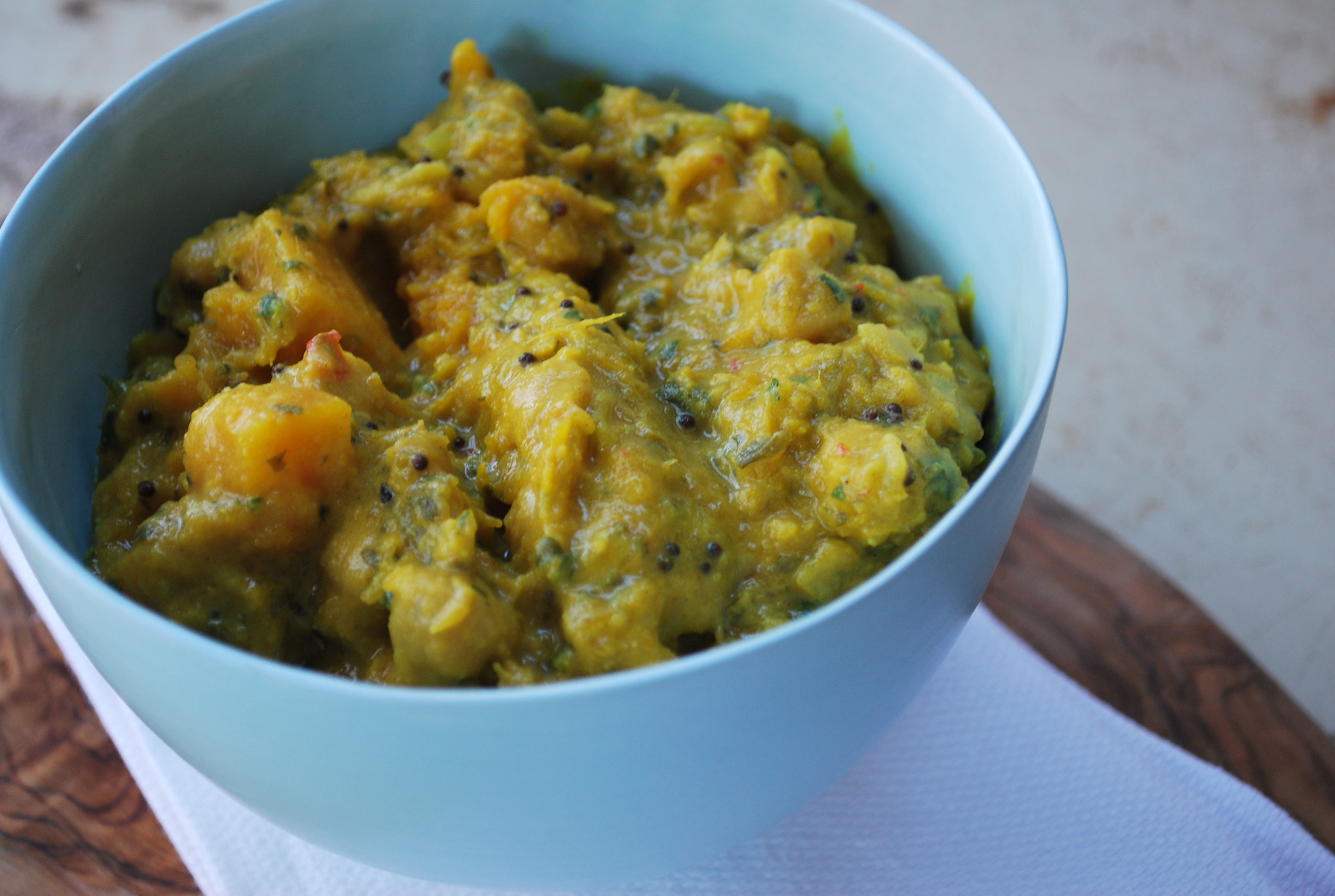
I have a confession to make – I have never cooked with lemongrass. I like lemongrass but it’s just never entered my lexicon or, more practically speaking, my pantry. I decided to change that last night by trying out Nigel Slater‘s recipe called chickpeas with pumpkin lemongrass and coriander. Since I don’t stock pumpkin but do stock all sorts of squashes I decided to make it with butternut squash instead. It was great over basmati rice with a few steamed sugar snap peas on the side.
200 grams dried chickpeas, soaked in mineral water for several hour, (or two cans cooked chickpeas)
2 medium onions
2 tbsp groundnut oil
4 cloves garlic
thumb-sized ginger
3 large stalks lemongrass
2 tsps ground coriander
2 tsps ground tumeric
6 green cardamoms
2 hot red chillies
500g butternut squash, peeled and seeded
250ml vegetable stock
400ml coconut milk
1 tbsp yellow mustard seeds
handful cilantro, chopped
2 limes, halved
Drain the chickpeas and bring them to the boil in deep, unsalted water. Let them simmer for 40 to 50 minutes, till tender.
Peel the onions and chop them quite finely. Pour the oil into a deep casserole and add the onions, letting them cook over a moderate heat till soft and translucent. Meanwhile, peel the garlic and the ginger, remove any tough leaves from the lemongrass, then make all into a rough paste in a food processor. Stir into the softened onions and continue to cook. Add the ground coriander and turmeric, then lightly crush the seeds of the green cardamoms and deseed and finely chop the fresh chillies before stirring them in.
Keep the heat fairly low and on no account allow the ingredients to brown.
Chop the pumpkin into large chunks, though no larger than you would like to put in your mouth, then add to the pan, along with the drained cooked chickpeas and the stock. Bring to the boil, then turn down to a simmer and continue to cook at a gentle bubble till the pumpkin is tender. Stop as soon as the flesh is yielding to the point of a knife, you don’t want it to collapse.
Stir in the coconut milk and continue to simmer. Put a splash of oil into a nonstick pan and tip in the yellow mustard seeds. As soon as they start to pop, add them to the pumpkin together with the coriander leaves. Serve with the rice and the lime halves, ready to squeeze over at the last minute.
fennel leek and parsley risotto
January 2, 2011

After a season of debauchery with the inevitable over-eating of heavy Christmas dishes we needed something fresh and green to start the New Year. Now most of you will probably not think of risotto as a nice, light, cleansing dish but this one comes pretty close. It’s bright, refreshing, and alive, and without the cheese and butter – which I’ve come to conclude is yummy but totally unnecessary – it is surprisingly light. This risotto won my heart.
2 tbsp olive oil
1 onion, diced
1 fennel bulb, diced
2 leeks, diced
3 cloves of garlic, minced
1.5 cups of arborio rice
4 cups of veggie stock
1 cup white wine
a small bunch of fresh parsley, very finely chopped
1/2 lemon
sea salt and pepper to taste
Heat the olive oil for the risotto in a heavy-bottomed dutch oven. Saute onion, fennel, and leek until tender. Add the minced garlic and saute another minute or two until the garlic is fragrant. Add arborio rice stirring constantly until evenly coated. Begin to add the stock and wine slowly. Remember, the key to good risotto is to 1) stir constantly and 2) add the liquid slowly until the rice is just covered. Let the rice absorb the liquid and then add a little more, again, until the rice is just covered. Repeat. Repeat. Repeat.
Once the rice has reached the perfect state of al dente-ness add the parsley and the juice of half a lemon and toss. Season with good sea salt and pepper to taste. Transfer to a serving bowl and serve. And have a little bowl of grated parmigiano on the table for those that want to indulge. And enjoy!
spicy pumpkin and fennel soup with carmelized apples
October 10, 2010

I came across a lovely, big pumpkin the other day in all its autumn glory. It was a Rouge Vif d’Etamps. I just love the name but beyond it’s moniker – also called a Cinderella Pumpkin – it’s a unique French heirloom pumpkin. They say that it is the variety cultivated by the Pilgrims and served at the second Thanksgiving dinner. How apropos. They are beautiful, and tasty, a fact to which this soup can attest.

3 lbs pumpkin (or orange winter squash), peeled, seeded and cubed
2 cups fennel, sliced
1 tbsp olive oil
1 medium onion, chopped
2 cloves garlic, minced
1 tsp cumin
1 tsp coriander
1/4 tsp turmeric
1 tsp sweet paprika
1/2 tsp cayenne pepper
1 1/2 cups veggie broth
1 to 2 cups fresh cider
1 bay leaf
salt and pepper
1 apple, cubed
2 tbsps organic cane sugar
Heat oil in a large saucepan over medium heat. Add onion, cook 5 minutes, or until softened. Add garlic and saute for another minute or two. Add cumin, coriander, turmeric, sweet paprika, cayenne pepper and saute for another minute or two.
Add pumpkin and sliced fennel. Pour in veggie broth and 1 cup cider. Add bay leaf. Bring to a boil; cover and simmer for 25 minutes, or until pumpkin is tender. Remove and discard bay leaf. Puree in batches; return to saucepan. Add salt and pepper to taste. If soup is too thick, thin it with remaining 1 cup of cider as needed.
Meanwhile, peel, core, and cube apple. Sprinkle with sugar. Heat a frying pan on the stove on medium high. Saute apples until carmelized and nicely brown. Ladle soup into bowls. And top with carmezlied apples, seeds and/or nuts (I used curried cashews).
flageolet soubise
September 21, 2010

I sourced some amazing flageolet beans on the weekend. Flageolets are tiny, tender French beans. They are delicate in flavor, and are considered the darling of the French bean connoisseur. Essentially, they are tiny French kidney beans that possess a pale green hue and boast a tenderness like none other. So tonight’s dinner theme was “ode to the flageolet.” I made two versions. One you see below – Flageolets Soubise – a recipe inspired by Jamie Kennedy. The other was Flageolet à la Provençal. Both were delicious. The troops were divided on which one they preferred. I’d take both. Why choose? Life’s too short.

FOR THE FLAGEOLETS
240g fresh flageolet beans (or 180g dried)
1 clove of garlic, sliced thinly
12 peeled pearl onions
4 carrots, of various heirloom varieties, scrubbed and sliced thickly on bias
1 bay leaf
sprig of fresh thyme
salt to taste
1. Place all ingredients except salt in a large saucepan. Cover with cold water and bring to a boil. Reduce to a simmer and cook for approximately 30 minutes.
2. Season to taste with salt.
FOR THE SOUBISE
4 medium-sized onions, peeled and sliced thinly
200g olive oil
salt to taste
Cider vinegar to taste
1. Place sliced onions and olive oil in a saucepan and cook slowly until onions are transparent, but not browned.
2. Transfer to a blender and process until pureed.
3. Season with salt and a touch of cider vinegar.
FOR THE PRESENTATION
Warm an oval ceramic serving dish in the oven. Pour some soubise on the base of the dish. Spoon the beans and carrot mixture on top of the soubise. Serve immediately.
moroccan tagine with charmoula drizzle
August 24, 2010

I’m not sure why but this morning I woke up with a restless desire to a) buy a tagine and b) make a Moroccan tagine in the tagine. So after work I set out to accomplish both and big success! I bought a nice red Le Creuset tagine at a little independent store called The Cook’s Place. I think I’m in love.
So what’s different? Why not just use a dutch oven or heavy pot? Well, let me tell you. “The unique shape of the tagine allows air to circulate above the food without escaping. There’s a steam hole to make sure pressure doesn’t grow too much, but it also keeps in most of the moisture. This allows your tagine to slowly steam and roast the food from above, while simultaneously broiling from the heat at the bottom. This combination of cooking-methods allows the food to slow-cook from all directions to make a perfect, fragrant casserole.” This from squidoo.
And what did I make in the tagine? A Moroccan Chickpea Tagine that we drenched in Charmoula, but more on that in a sec. First, here’s the tagine recipe from The Vegan Cook’s Bible.

4 cups chickpeas, rinsed and drained, or 2 cans chickpeas with liquid
2 cups of veggie stock (use 1 1/4 cups if using canned chickpeas and their liquid)
juice of 1 lemon
2 cups diced sweet potato
1/2 cup quinoa, rinsed
1 onion, chopped
1/4 cup dried apricots, chopped
1/4 cup currants
4 sun-dried tomato halves, thinly sliced
2 slices fresh ginger, finely chopped
1/2 tsp ground cumin
1/2 tsp ground coriander
1/4 tsp ground cinnamon
1/4 tsp hot pepper flakes
salt and pepper to taste
Preheat oven to 350 degrees. In the base of tagine, combine chickpeas, stock, lemon juice, sweet potatoes, quinoa, onion, apricots, currants, sun-dried tomatoes, ginger, cumin, coriander, cinnamon, and hot pepper flakes. Bake in preheated oven for 1 1/2 hours or until sweet potato is tender when pierced with the tip of a knife. Season to taste with salt and pepper. Serve with Charmoula. It really couldn’t be easier or faster.

Charmoula
So what’s charmoula? I asked the same question. I found the recipe in Bonnie Stern’s Friday Night Dinners and, it sounded good, but I had never heard of it. Turns out wiki, of course, has the answer: “Chermoula or charmoula is a marinade used in Algerian, Moroccan and Tunisian cooking. It is usually used to flavor fish or seafood, but it can be used on other meats or vegetables. Chermoula is often made of a mixture of herbs, oil, lemon juice, pickled lemons, garlic, cumin, and salt. It may also include onion, fresh coriander, ground chili peppers, black pepper, or saffron.” Bonnie Stern’s includes mayonnaise, for which I substituted veganaise. Tasty. It actually totally satisfied my longing for aioli which I do love but have put on the no-no list for obvious eggy reasons.
1 cup veganaise
2 cloves garlic, minced
1 tbsp lemon juice
1 tsp hot red pepper sauce
1/2 tsp ground cumin
1 tbsp paprika (preferably smoked)
2 tbsps finely chopped fresh cilantro
In a bowl, combine veganaise, garlic, lemon juice, hot pepper sauce, cumin, paprika, and cilantro. Taste and adjust seasoning if necessary.
charmoula
August 24, 2010

Charmoula
So what’s charmoula? I asked the same question. I found the recipe in Bonnie Stern’s Friday Night Dinners and, it sounded good, but I had never heard of it. Turns out wiki, of course, has the answer: “Chermoula or charmoula is a marinade used in Algerian, Moroccan and Tunisian cooking. It is usually used to flavor fish or seafood, but it can be used on other meats or vegetables. Chermoula is often made of a mixture of herbs, oil, lemon juice, pickled lemons, garlic, cumin, and salt. It may also include onion, fresh coriander, ground chili peppers, black pepper, or saffron.” Bonnie Stern’s includes mayonnaise, for which I substituted veganaise. Tasty. It actually totally satisfied my longing for aioli which I do love but have put on the no-no list for obvious eggy reasons. We had it last night on the Moroccan Tagine and it was, naturally, the perfect compliment.
1 cup veganaise
2 cloves garlic, minced
1 tbsp lemon juice
1 tsp hot red pepper sauce
1/2 tsp ground cumin
1 tbsp paprika (preferably smoked)
2 tbsps finely chopped fresh cilantro
In a bowl, combine veganaise, garlic, lemon juice, hot pepper sauce, cumin, paprika, and cilantro. Taste and adjust seasoning if necessary.
rice barley and quinoa salad with cranberries and nuts
January 3, 2010

I made up this recipe based on a few I’ve eaten when I’m out and about. I’m really happy with it. You can add more or less dressing depending on your preference. It makes quite a heap so unless you’ve got lots of mouths to feed, are cooking for a potluck, or would like it to last you several days, half the recipe.
1 cup mixed wild rice, cooked
1 cup barley, cooked
1 cup black quinoa, cooked
2 tbsps olive oil
5 celery stalks, chopped
4 large carrots, chopped
1 bulb fennel, chopped
1 – 2 cups pumpkin seeds (roasted tamari pumpkin seeds are nice)
3/4 cup of dried cranberries
bunch of green onion, chopped
bunch of parsley, chopped
bunch of cilantro, chopped
Dressing:
1/4 cup apple cider vinegar
1/4 cup lemon juice
2 tbsps grainy Dijon mustard
1 tbsp grated ginger
dash maple syrup
1/2 cup olive oil
sea salt and pepper to taste
Cook the grains and then set aside to let cool. Meanwhile, heat olive oil in a heavy skillet. Add celery, carrot, and fennel and sauté until cooked through to desired consistency. When cooked, mix grains, vegetables, pumpkin seeds, cranberries, green onions, and herbs in a large bowl. Prepare the dressing by mixing all ingredients well. Add dressing to the salad and serve.
 v:gourmet


