ancient farro soup with gialet beans
October 27, 2013
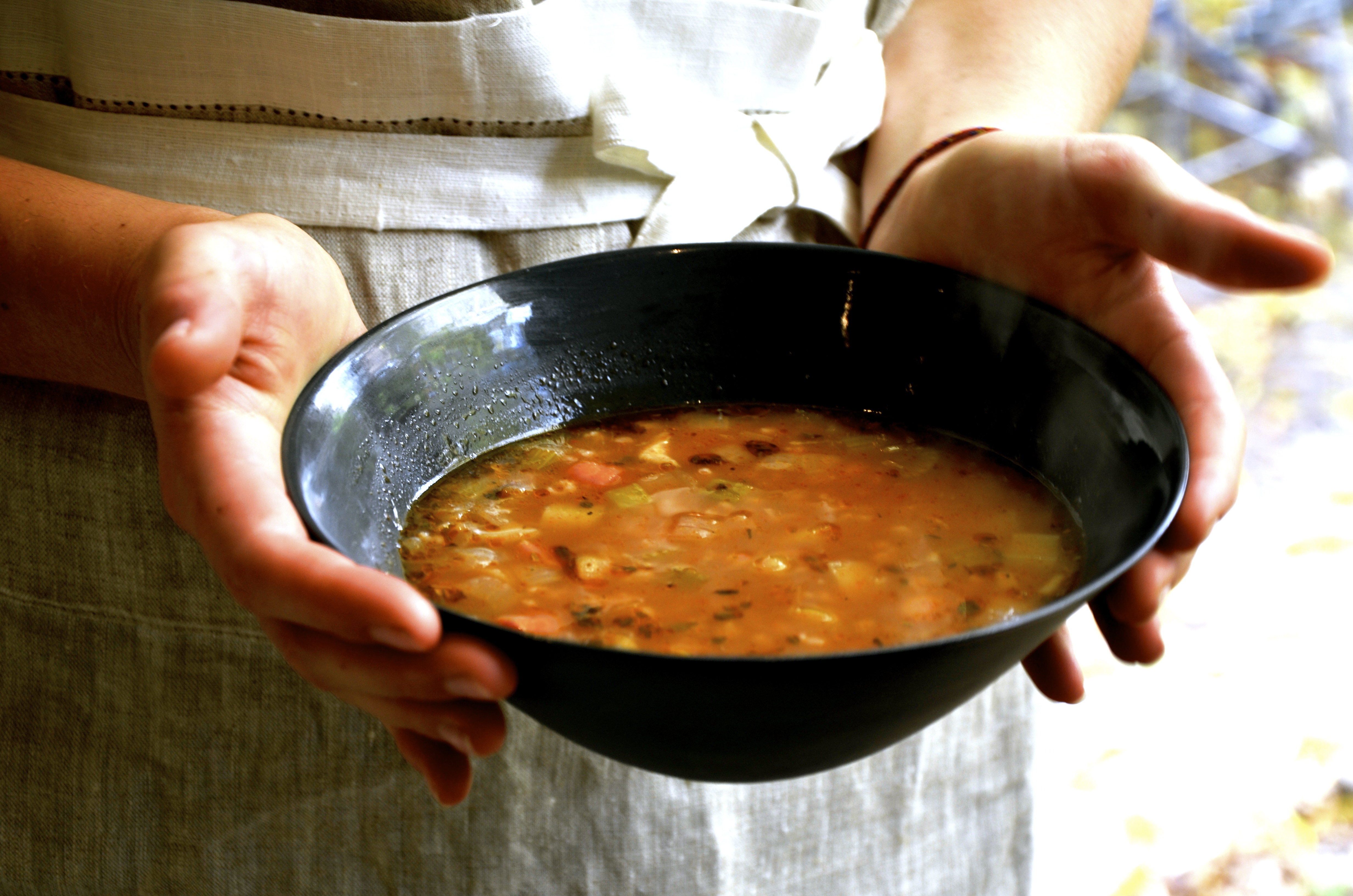
I’ve posted other soups similar to this one, like the wabun point potage, ribollita, and minestrone. So this recipe is less about the actual recipe and more about the procurement of ingredients. We all have beans and rice in the pantry (or should!) but this soup features two ingredients that take this soup up a notch or several. First, instead of your ordinary grain, I used farro, or more specifically, emmer grown in the Garfagnana region of Tuscany with an IGP designation (Indicazione Geografica Protetta) which by law guarantees its geographic origin. Second, I used Gialet beans which are Slow Food Presidia protected. If you don’t know Presidia, “the Presidia sustain quality production at risk of extinction, protect unique regions and ecosystems, recover traditional processing methods, safeguard native breeds and local plant varieties.” Wendell Berry says that “eating is an agricultural act” and it’s true. By purchasing foods that protect our farmers, our fields, our biodiversity, our traditions, we advocate for the systems we want and don’t want. All in a bowl of soup.
4 tbsps olive oil
1 onion, diced
3 carrots, diced
3 celery stalks, diced
8 baby potatoes, quartered
2 cloves garlic, minced
handful of fresh thyme
1 cup farro
4 cups veggie stock, plus water from cooking the beans if necessary
1 cup stewed tomatoes
1 cup cooked gialet beans
sea salt and pepper
Heat olive oil in a heavy-bottomed dutch oven. Sauté onion, carrot, celery, and potatoes until they begin to soften up, about 10 – 15 minutes. Add garlic and thyme and sauté until garlic becomes fragrant, about 2 minutes. Add dry farro and stir until coated with the olive oil. Add veggie stock and cook for about 20 – 25 minutes until farro is cooked. If you need more liquid, add additional veggie stock or some of the water from cooking the beans. Once the farro is done, add stewed tomatoes, gialet beans, and sea salt and pepper to taste. Simmer over low heat for another 5 – 10 minutes until the flavours meld, adjust seasoning, and serve with some bread or other delicacy that sustains quality production, protects unique regions and ecosystems, recovers traditional processing methods, safeguards native breeds and local plant varieties.
small batch stewed tomatoes
September 13, 2013
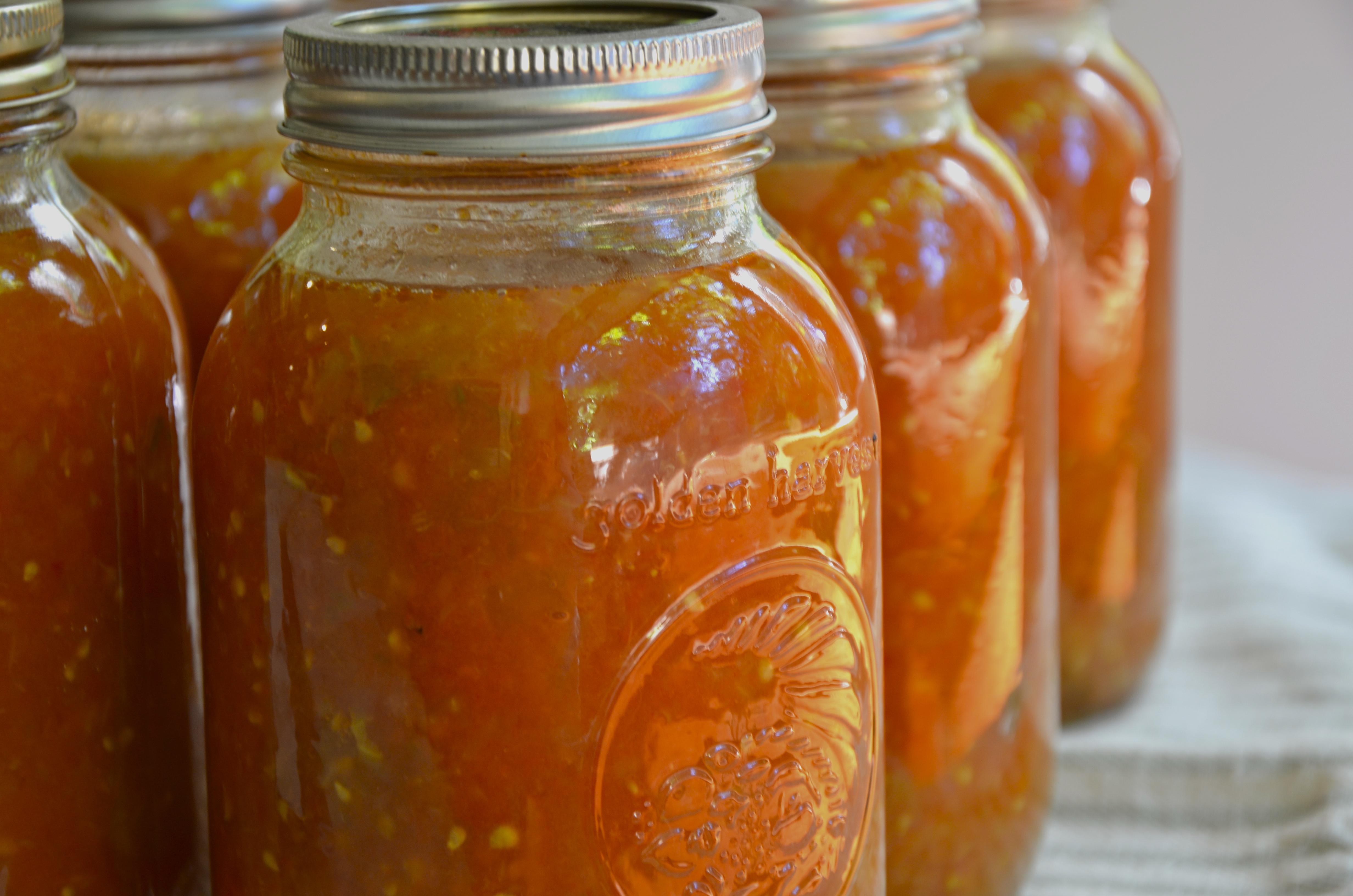
I was just given Domenica Marchetti’s new cookbook The Glorious Vegetables of Italy and in it I found a recipe for small batch stewed tomatoes. Given the season and the number of fresh, glorious, local tomatoes out there, I thought I would whip up a small batch. I think everyone should do some canning each year, even if just a little bit, to keep in touch with preserving one’s own food so we don’t lose the knowledge and skills, and what’s more, the connection to age-old traditions. Domenica taught me a trick with this recipe and that’s to grate the tomatoes, leaving the skin out of the concoction. I wasn’t convinced but I like it. She discards the seeds as well but I can’t do that – I like them and that’s where much of the flavour is. She also doesn’t use onions, but I do. So what you see here is a variation but a really good one. I ate it for lunch. As a soup. As is. So good. But with the rest of the batch, I’ll tuck the jars away and pull them out for stews, risotto rosso, and other dishes that need summery-fresh-hand-preserved-tomatoes to truly sing.
1/2 cup olive oil
2 onions, finely diced
12 lbs ripe tomatoes
3 tsps fine sea salt
small bunch basil leaves
6 tbsps freshly squeezed lemon juice
Wash and sterilize 6 large mason jars and their lids by immersing them in boiling water for 10 minutes.
In a large heavy-bottomed saucepan, warm the olive oil over medium heat. Add the chopped onions and cook over medium heat for about 10 minutes until the onions are soft and translucent.
Meanwhile, cut the tomatoes in half lengthwise. Place a box grater over a large mixing bowl. Hold the cut side of a tomato flat against the large holes of the grater and grate the tomatoes, pressing gently, until only the skins is left in your palm. Continue until you have grated all the tomato halves. As you work, collect the pulp and any juice that collects in the bowl. Collect the tomato skins in a separate bowl. When you have processed all the tomatoes, and collected all the skins, put the skins in a colander and squeeze them hard over the bowl with the tomato pulp to catch any residual juice. Discard the squeezed skins.
Carefully pour the tomatoes into the saucepan with the oil and onions. Season with the sea salt, raise the heat to medium, and bring the tomatoes to a simmer. When the juices start bubbling, return the heat to medium-low and let the tomatoes simmer, uncovered, for 25 to 30 minutes, until thickened to a nice consistency. Stir from time to time to prevent the tomatoes from burning. Remove from the heat and stir in the basil leaves.
Pour 1 tbsp of the lemon juice into each of the sterilized jars. Ladle the tomatoes into the jars, leaving 1 inch of space at the top. Screw the lids on tightly and process for 35 minutes in a boiling water bath. Store in a cool, dark place.
creamy chanterelle soup
September 7, 2013
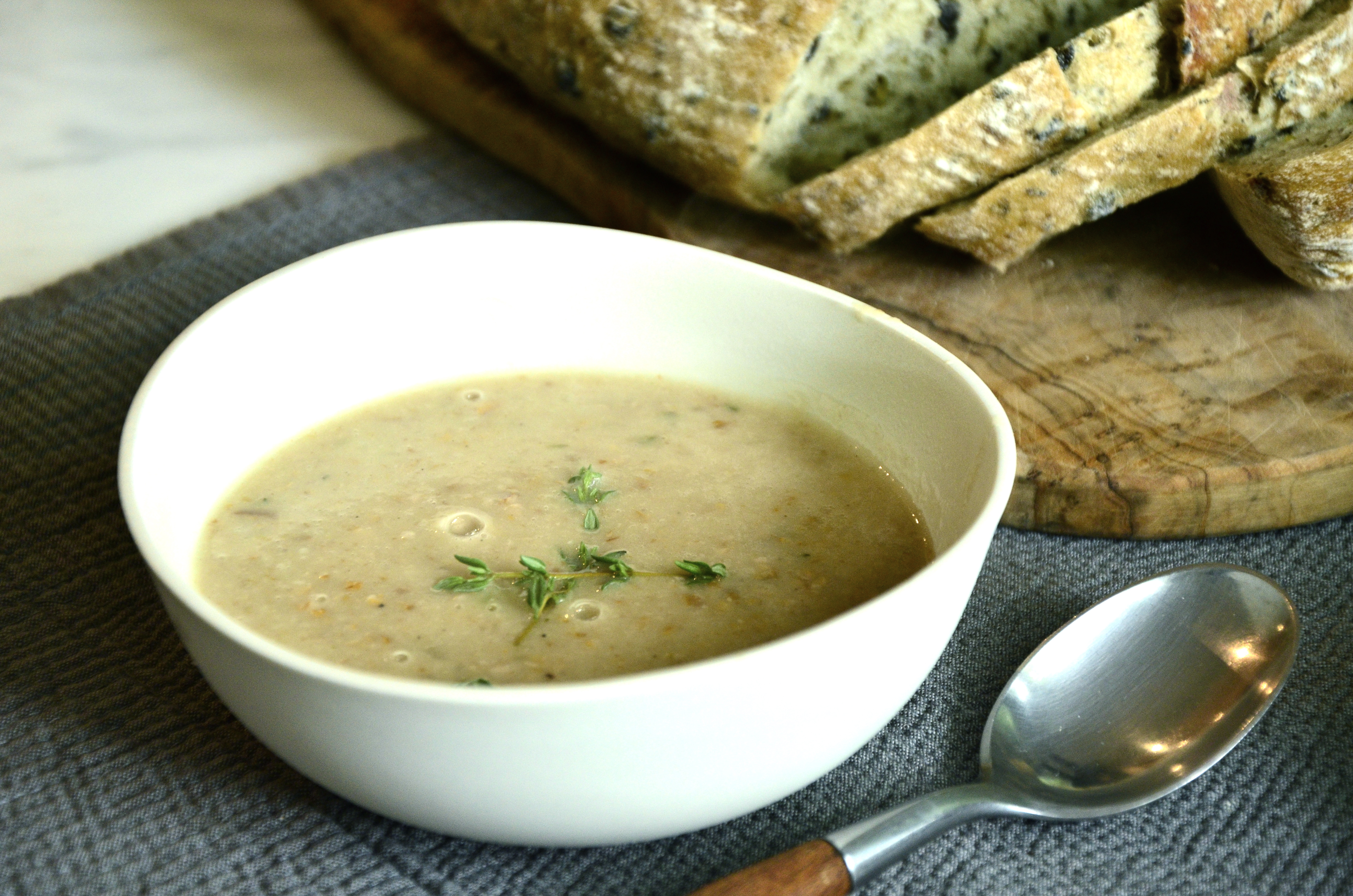
Cantharellus cibarius, commonly known as the chanterelle or girolle, is a fungus. It is orange or yellow, meaty and funnel-shaped. Wiki thinks that it has a fruity smell, reminiscent of apricots and a mildly peppery taste (hence its German name, Pfifferling). Wiki also tells me that chanterelles are relatively high in vitamin C, very high in potassium, and among the richest sources of vitamin D known. Which I have to say is pretty cool. I didn’t know that when I picked up a bag at the farmers’ market this morning. What I did know is that they are a fall delicacy, and freshly picked – as I found them this morning – make a fabulous soup.
2 tbsp olive oil
1 large yellow onion, diced
1 tsp fresh thyme
4 cloves garlic, minced
1 pound fresh chanterelles
2 Tbsp light spelt flour (or other light whole grain flour)
3 cups vegetable stock
1½ cups white beans, cooked (navy, butter, cannelini, great northern)
Sea salt and pepper to taste
Heat oil in a large cooking pot. Add onions and cook until translucent. Add minced garlic and thyme and cook for another 2 – 3 minutes.
While the onions and garlic are cooking, clean chanterelles by removing any dirt with a damp cloth. Coursely chop the mushrooms and add to the pot. Cook until mushrooms become soft and fragrant. Add spelt flour, mix well, and cook for a few minutes over medium heat being careful not to burn.
Meanwhile, combine the vegetable stock and beans in a blender, and blend on high until creamy. Once done, add slowly to the pot with the onions and mushrooms, stirring as you go to make sure there are no clumps and you create a smooth base. Once added, continue to stir and then let simmer for a few minutes until the flavours meld.
When complete, put soup in the blender and blend to desired consistency but not too much to maintain a some texture. Season to taste with salt and pepper. Ladle into soup bowls, garnish with some good olive oil, fresh thyme, or small rounds of toast.
kale chips
September 1, 2013
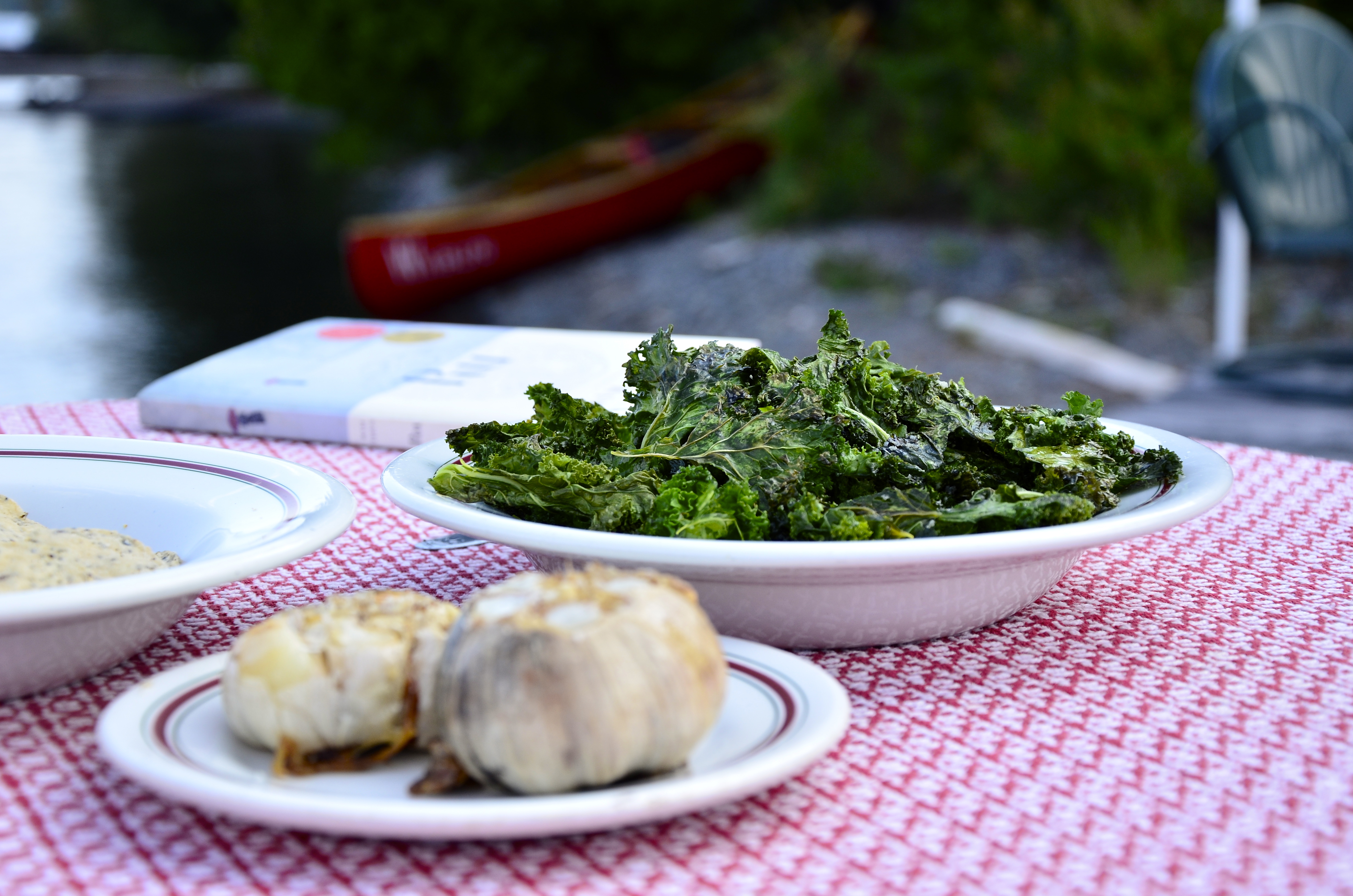
As you may have read in the recipe for wabun point potage we’ve been blessed with renting a place on Lake Temagami for the last 10 days. Dick and Marg Lewis, who rented us the cottage, invited us over for a glass of wine and some scrumptious treats, one of which was kale chips which Dick made himself. Tasty. Fabulous. Healthy. Colourful. I had to try it myself. In fact, I’m surprised I had never made them before but everything has a season and things happen when they happen. We ate them on the dock with crackers, roasted garlic bulbs, and a side of burgundy red. Conjure up the sound of the waves, the cool north breeze, the slap of a beaver’s tail, and a distant osprey call, and you pretty much have paradise on earth.
1 head of kale, ripped into pieces
olive oil
sea salt
Preheat oven to 350 degrees. Rip kale into bite size pieces, removing the stems. Wash clean and spin dry. Toss with enough olive oil just to lightly coat the kale. Sprinkle with sea salt to taste. Spread out on a cookie sheet and bake in the oven for approximately 15 minutes depending on how crispy you like them.
wabun point potage
September 1, 2013

Potage (from Old French pottage; “potted dish”) is a category of thick soups, stews, or porridges made by boiling vegetables, grains, and, if available, meat or fish. It was a staple food of all people living in Great Britain from neolithic times on into the Middle Ages. Potage commonly consisted of various ingredients easily available to serfs and peasants and could be kept over the fire for a period of days, during which time some of it was eaten and more ingredients added. The result was a dish that was constantly changing. Potage consistently remained a staple of the poor’s diet throughout most of the 9th-17th-century Europe.
Wabun Point is on Garden Island on Lake Temagami, and protects a peaceful, rustic, homey cabin built, loved, passed on, and tended to by the Lewis family. We rented the cottage from Richard P. Lewis The Third and Marg Lewis (I assume The First) for 10 days this summer and, on our last day there, emptied the fridge of whatever ingredients were left and came to the conclusion that the only reasonable thing to do with them was to make a potage in true peasant style on the old vintage Moffat stove. We did not keep it for days adding ingredients but, instead, slurped it down to the last drop in our bowls with a satisfied smack of the lips when it was all done, leaving a container or two in the fridge for Dick and Marg as the soup is now, officially, named after their sweet little abode. My recipe is below but it’s more of a guideline as the real McCoy has no recipe but is made from creativity and necessity.

3 tbsps olive oli
1 large spanish onion, chopped
4 cloves garlic, minced
3 large red potatoes, diced
1/4 head green cabbage, shredded
1/4 head red cabbage, shredded
4 carrots, shredded
thyme
2 cups veggie stock
28 oz can whole tomatoes
2 bay leaves
1/2 cup dry red wine
2 cobs corn, niblets removed
3 tomatoes, diced
sea salt and pepper to taste
Heat olive oil in a heavy-bottomed dutch over on the stove or an open fire. Add chopped onions and sauté for a few minutes until they become soft and translucent. Add minced garlic and sauté for another 2 -3 minutes until garlic becomes fragrant. Add diced potatoes, cabbage, carrots, and thyme. Cook for about 10 minutes over medium-high heat until the vegetables begin to soften.
Add veggie stock, canned tomatoes, bay leaves, and red wine. Bring to a boil and then reduce heat and simmer for about 30 minutes until the vegetables are cooked through and the flavours start to meld. Add fresh tomatoes and boil down until incorporated. Add corn niblets about 10 minutes before serving. Season with sea salt and pepper. Serve with a nice crusty artisan bread, sit by the fire, and enjoy.
chocolate chip cookies
August 18, 2013

I got this recipe from oh she glows who got it from someone who got it from someone who got it from someone else. The one thing I love about these food blogs is that these ideas – fantabulous ideas like vegan chocolate chip cookies – are like seeds being scattered across the planet taking root in the unlikeliest of places. Only to grow and be scattered once again. Like a dandelion. In fact, we got the tip from Andrew’s project manager who hails from the UK but is working here in Toronto bringing vegan chocolate chip cookies that his girlfriend made to work. I never would have imagined – back in the day when I was cooking up a batch of the non-vegan version every week to share with friends, crushes, and other motely sorts – that such a thing would be possible. But possible it is now in 2013. And you have to love it. So thanks to oh she glows and to the long list of others who have tried these, perfected them, passed them on, and so on and so on.
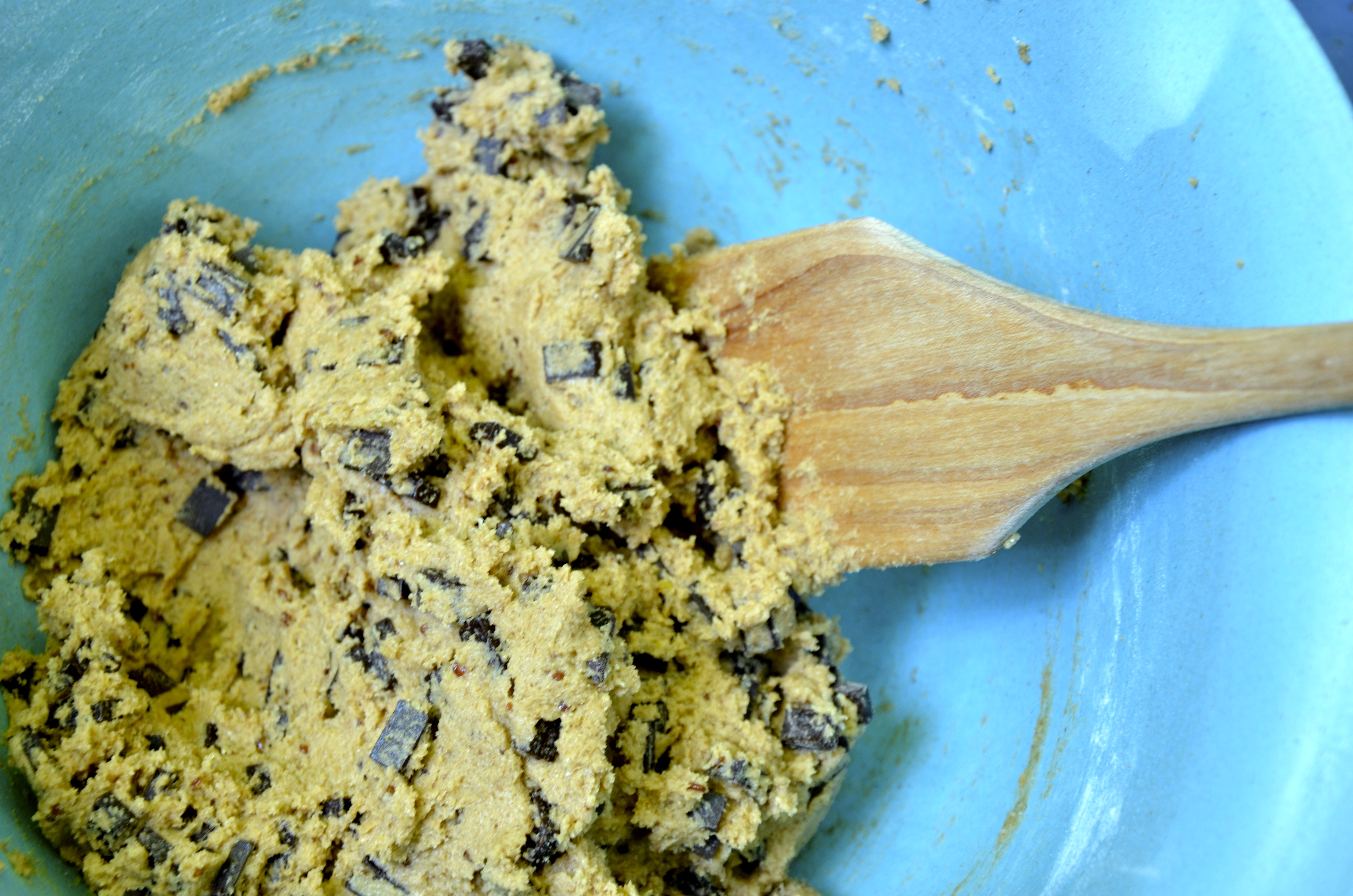
1 flax egg: 1 tbsp ground flax seed and 3 tbsps water
1/2 cup earth balance veggie shortening
1/2 cup brown sugar
1/4 cup cane sugar
1 tsp vanilla extract
1/2 tsp baking soda
1/2 tsp sea salt
1/2 cup whole wheat flour
3/4 cup all purpose flour
1/4 tsp cinnamon
1/2 cup dark chocolate chips
Preheat the oven to 350 degrees.
Mix the ground flax seed and water and set aside.
In a large mixing bowl blend the shortening and two sugars until well mixed and fluffy. Add the vanilla and flax seed “egg.” Blend well. Add soda, salt, flours, and cinnamon. Blend until well mixed. Stir in the dark chocolate chips.
Scoop dough in cookie-sized portions onto a baking sheet lined with parchment. Bake cookies for 8 – 10 minutes until nicely browned. Cool on a wire cooling rack and watch them disappear.
fresh spicy peach salsa
August 10, 2013
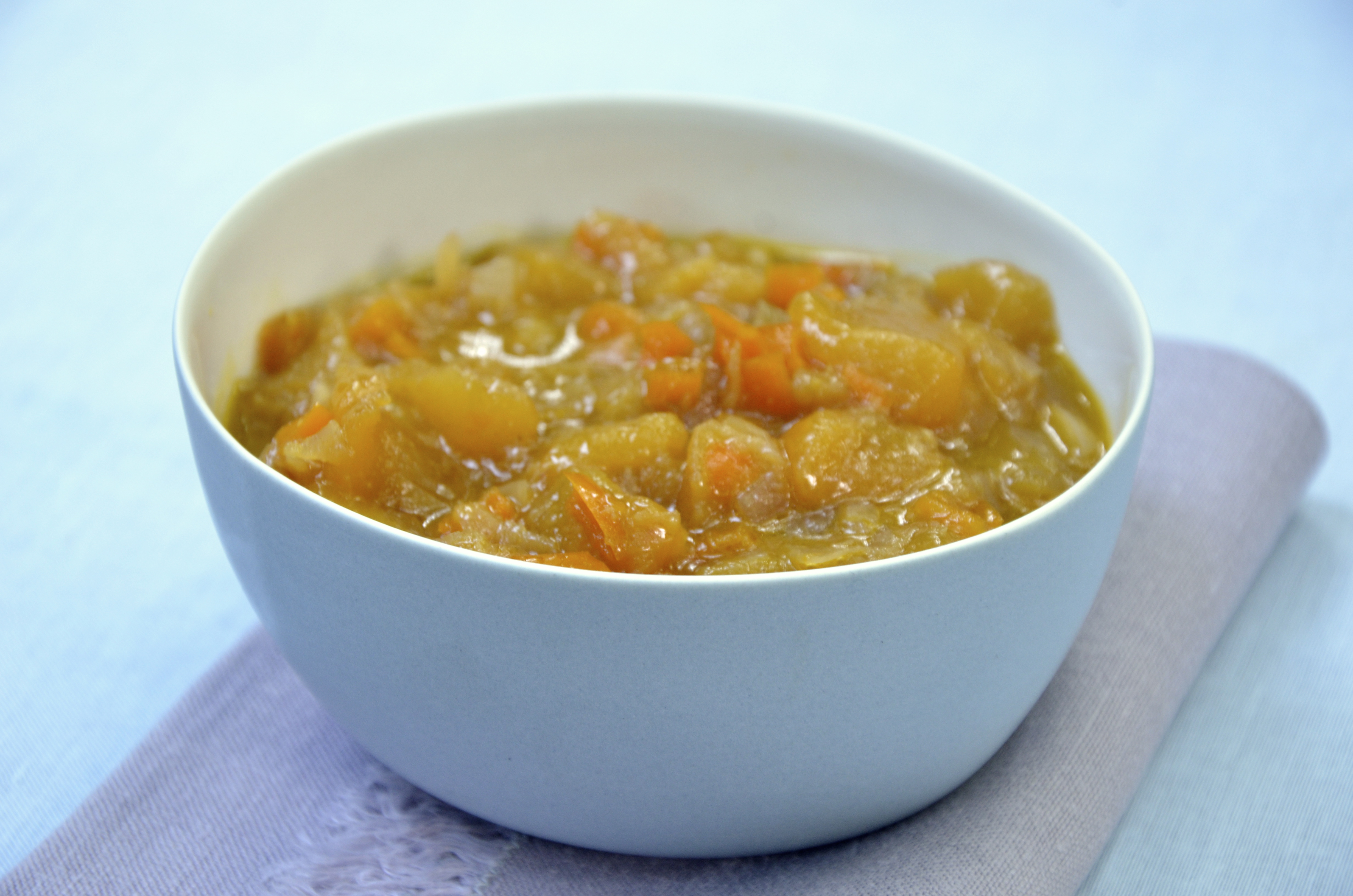
Fresh Ontario’s peaches are one of life’s true pleasures. It really doesn’t get much better than that. Problem is, in our enthusiasm, we usually buy way too many and, after over-dosing on sliced peaches, drunken peaches, peach galette, and other delicacies, we start to get spent and need other creative ways to take advantage of the juicy taste of mid-summer. This spicy fresh peach salsa is yet one more variation to add to your repertoire. It’s great pre-dinner with some crackers, on top of cheese for the cheese lovers, beside nuts, pickled ramps and other munchies. It’s also fabulous beside spicy marinated tofu and grilled vegetables (in which case you could add a little cilantro just for fun). Make a big batch and either freeze or preserve some to pull out during the winter doldrums – summer in a bottle.
2 tbsps olive oil
2 large shallots, diced finely
1 large sweet pepper, diced finely
1 tbsp garlic, minced
1 tbsp ginger, minced
red pepper flakes to taste
1/2 tsp salt
1/2 cup cider vinegar
1/2 cup brown sugar
1/2 cup white sugar
8 large fresh peaches, skinned and sliced into chunks
Heat oil in a heavy bottom skillet. Add diced shallots and peppers and cook until tender over medium heat. Add garlic, ginger, red pepper flakes, and salt. Cook until garlic is fragrant. Add vinegar and sugars. Let the mixture come to a boil and then turn dow the heat to low. Let simmer for 10 – 15 minutes until it starts to thicken and turn syrupy. Add peaches and boil down until peaches are very soft, flavours have melded and the salsa is thick. Let cool. Serve immediately or store in the refrigerator.
zucchini salad with fiori di zucca, mint, and basil
August 4, 2013

The farmer’s market is one of my favourite places to go on a Saturday morning. The sunny faces, the fresh produce, the smell of hard work and satisfaction, the chaos of kids and dogs and lazy shoppers. I love all it, but I especially love the potential of what all those local ingredients will become, and the release from decision-making and meal planning. You can go to the market, see what they have, and just prepare what you come home with. Yesterday it was baby zucchini, zucchini blossoms, basil, mint, tomatoes, and thyme. No need to over-think it – just prepare what you’ve got and thank the gods for this season’s bounty. This is a zippy, zingy salad thanks to the lemon zest, with lovely aromatic notes thanks to the fiori di zucca, or zucchini blossoms. And it’s pretty to boot which should never be underestimated; pleasing to the stomach, heart and soul.
1 generous handful fresh thyme sprigs
1/2 cup olive oil
1/2 teaspoon finely grated lemon zest
2 teaspoons fresh lemon juice
6 mixed baby zucchini, thinly shaved on a mandoline
5 or 6 small tomatoes, quartered
6 zucchini blossoms, halved or quartered if large
1/4 cup fresh basil leaves
1/4 cup fresh mint leaves
Pinch of red-pepper flakes
1/4 teaspoon sea salt
Coarsely ground pepper
Place thyme on a cutting board, and bruise with the dull edge of a knife. Place thyme and oil in a small saucepan. Cover, and heat over medium heat until small bubbles appear. Turn off heat, and steep thyme, covered, 20 minutes. Discard sprigs, leaving loose thyme leaves in oil. Whisk together lemon zest and juice and 2 tablespoons thyme oil.
Combine half the dressing with the zucchini, tomatoes, zucchini blossoms, basil, mint, red-pepper flakes, and salt. Season with pepper, and toss. Prepare nicely on a platter. Drizzle with remaining dressing, and sprinkle with little more basil and mint.
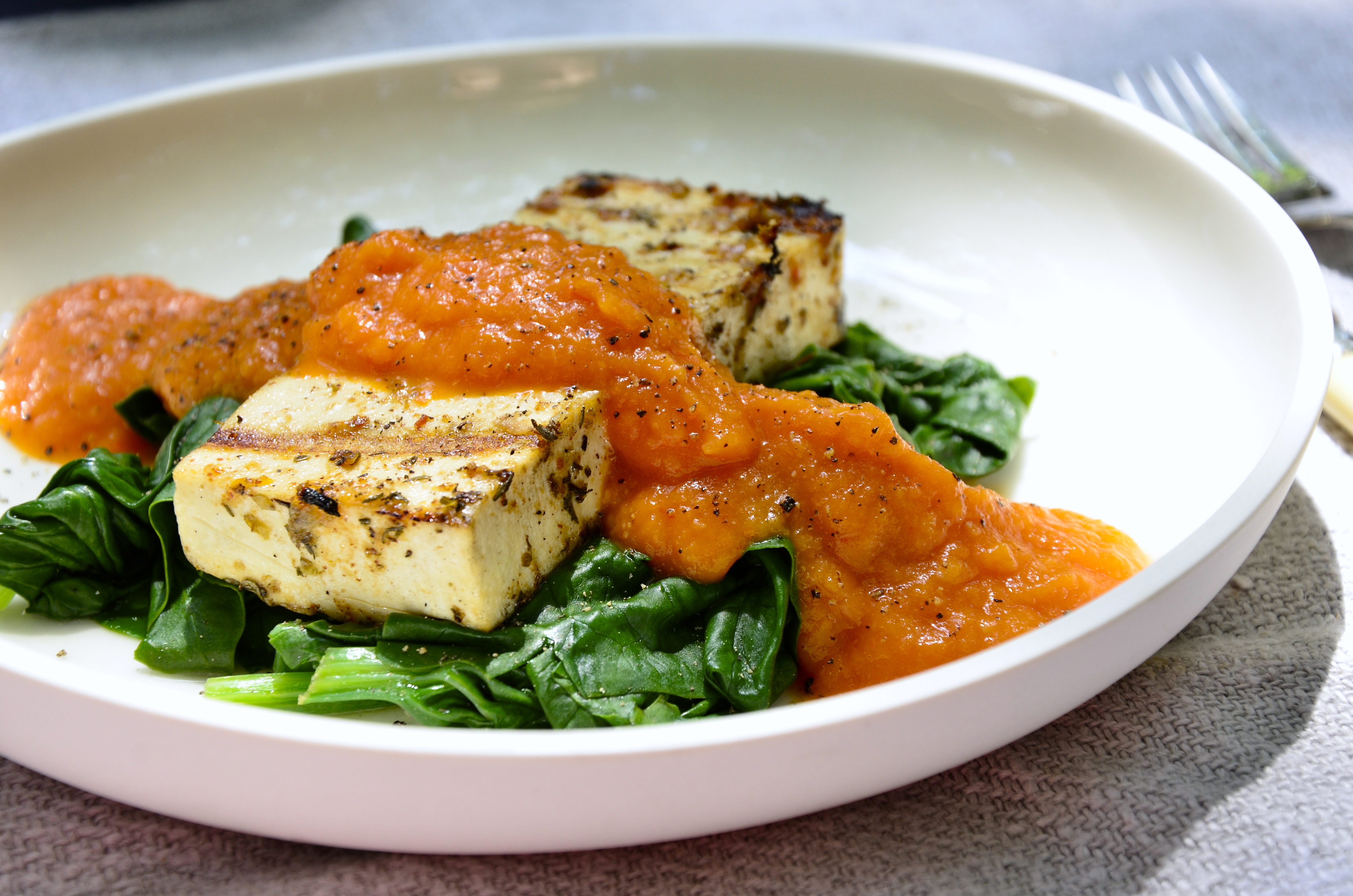
About 25 years ago Andrew and I ate dinner at my aunt and uncle’s place and my aunt, Marianna, served grilled salmon in a red pepper sauce surrounded by spinach. The memory came back to me the other day; I have no idea why. Odd how the brain works. Maybe a smell? A distant association? Some trigger that jogged the old synapses? Whatever the case, I’m glad it did because, in this revised and veganized version, I’ve found a tasty, beautiful dish that is savoury, sweet, and satisfying. I’m thinking it would be great for a dinner party, not just because it looks so pretty, but because you could easily give people the option of replacing the tofu for other grilled favourites like vegetables, chicken or fish. Of course I’ll take the tofu.
Tofu Marinade
1/2 cup olive oil
1/2 cup lemon juice
1/4 cup dijon
1/4 c tomato or red pepper paste
2 tbsps maple syrup
2 tbsps minced garlic
1/2 tsp each dried thyme, marjoram, basil
sea salt and pepper to taste
Combine ingredients for the marinade in a small bowl and mix thoroughly. Cut firm or extra firm tofu in slabs and place in a single layer in a dish. Add marinade making sure it surrounds the tofu on top, bottom and sides. Set aside or, preferably, refrigerate overnight.
Red Pepper Sauce
4 red peppers
8 shallots, de-skinned
8 cloves garlic, de-skinned
3 tbsps olive oil
1/4 veggie stock
sea salt and pepper
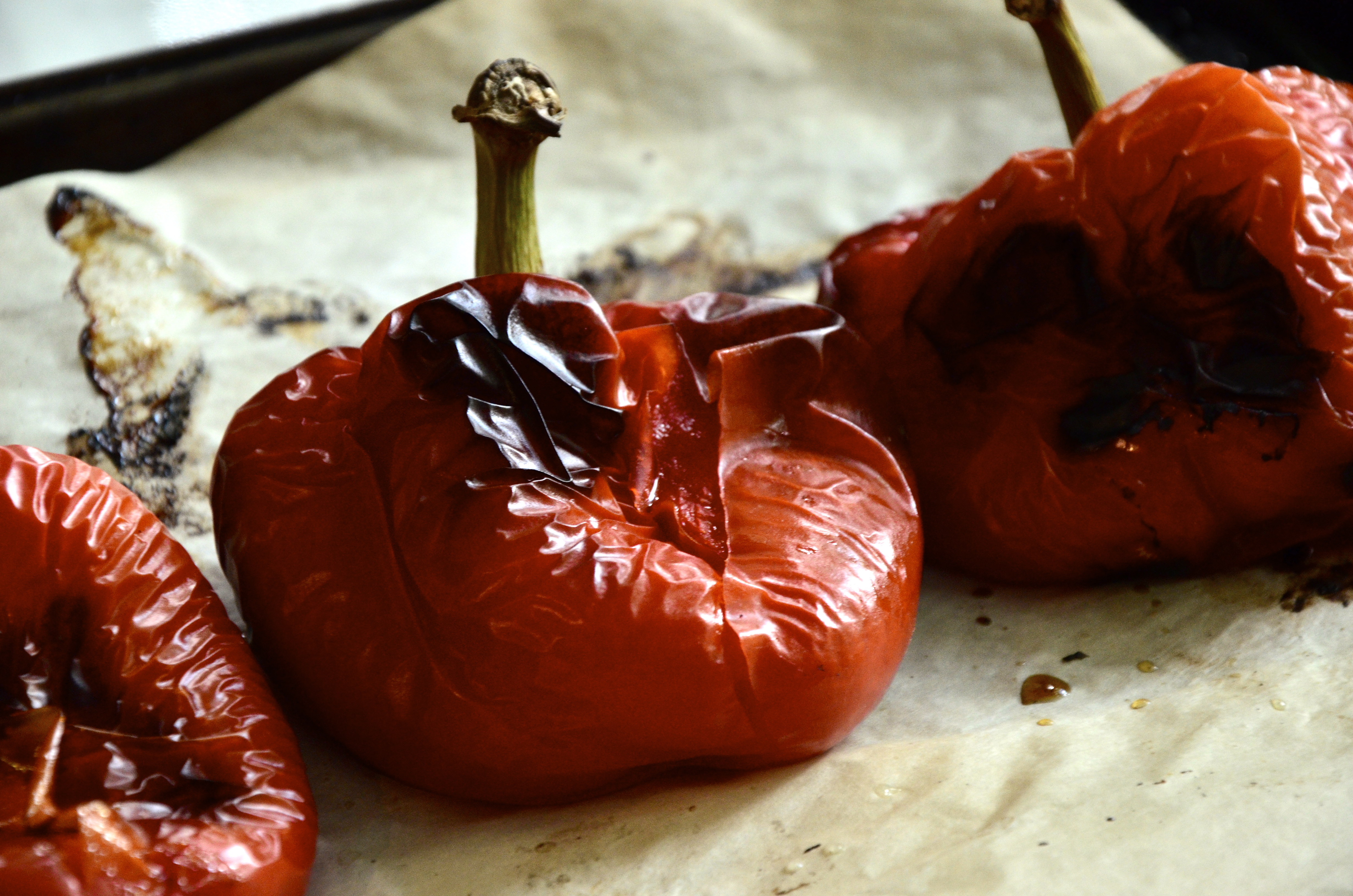
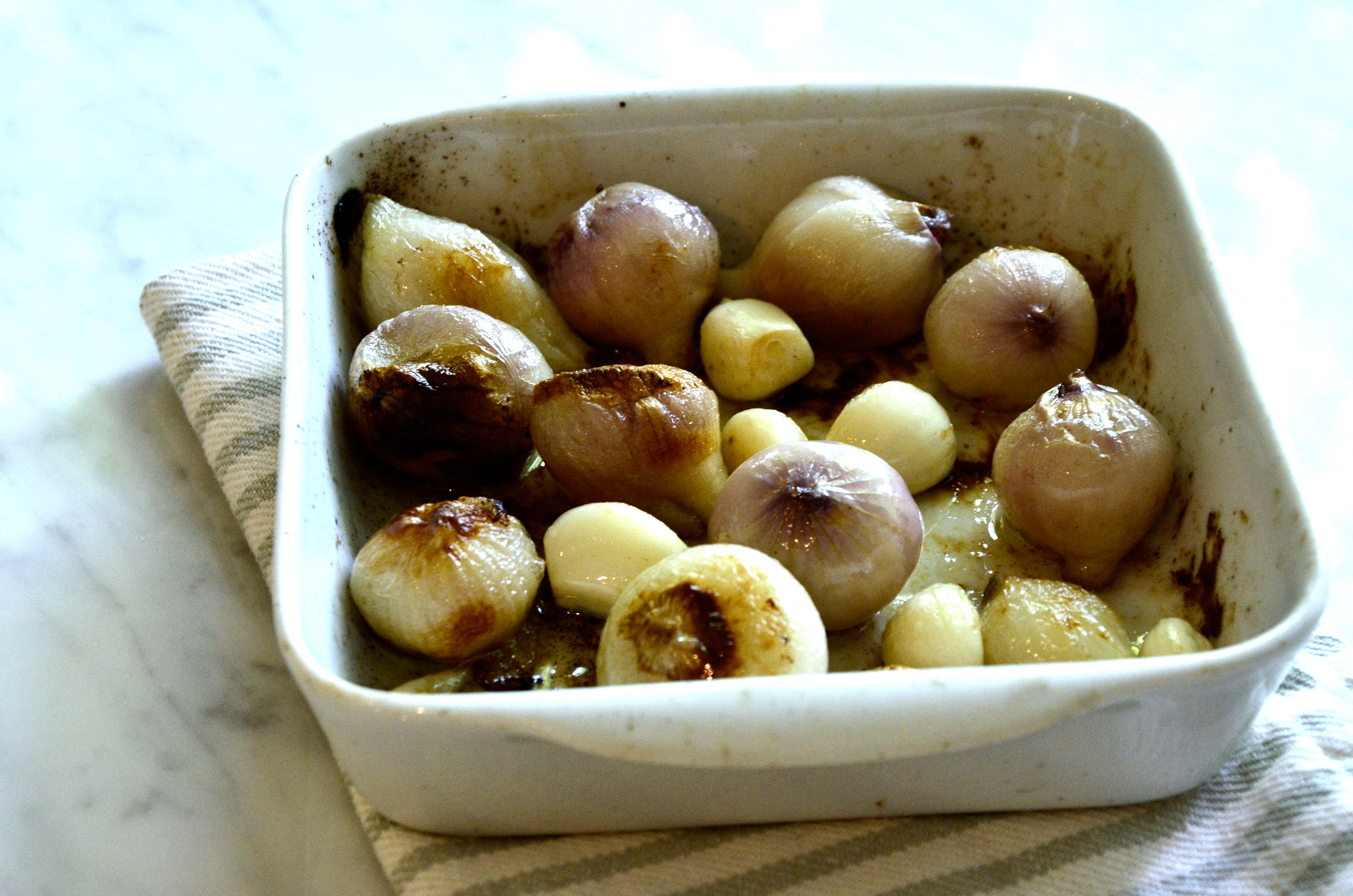
Preheat oven to 375 degrees. Wash the peppers well and place on a parchment-covered cookie sheet. Toss whole shallots and garlic cloves with olive oil and place in a small baking dish. Bake peppers, shallot, and garlic in the oven until roasted and well browned, about 45 minutes. Remove from the oven and place shallots and garlic in a blender. Place red peppers in a paper bag or bowl covered with a tea towel – this makes them sweat and allows the skins to slip off more easily. When cool enough to handle, peel off the skins. Slice the peppers open, pick out and discard all the seeds, then roughly chop the red flesh. Place red pepper flesh in the blender. Add veggie stock, salt and pepper to taste, and then blend until smooth.
Spinach
2 bunches of spinach
Clean the spinach well. Place in a steamer and steam over high heat for about 5 minutes until the spinach is wilted but still bright green.
Once you are ready to prepare the dish, grill the tofu on a BBQ over high heat. Place the wilted spinach on a plate. Gently place a piece or two of the grilled tofu ontop of the spinach. Add a healthy dose of the roasted red pepper sauce over the top. Sprinkle with a little freshly ground pepper. Eat. Enjoy.
cucumber salad with garlic and ginger
July 4, 2013

This is an Ottolenghi special which needs little introduction. It’s refreshing and tasty and a wonderful companion to a mejadra that nourishes the body and soul. Instead of raita for those super-vegans out there, try this a complimentary cucumber side dish.
Garlic Cucumber Salad
3 tbsps rice wine vinegar
2 tsps sugar
2 tbsps sunflower oil
2 tsps toasted sesame oil
1 small red onion, very thinly sliced
1 1/2 inches fresh ginger, peeled and thinly sliced
1 tsp sea salt
2 large garlic cloves, peeled
1 and 1/4 pounds cucumbers (4 medium, 2 large), peeled
1 tsp toasted sesame seeds
3 tbsps cilantro, chopped
For the dressing, place all the ingredients in a large bowl and whisk until combined. Add the sliced onion and mix until coated. Let sit for 45-60 minutes.
Meanwhile, place the ginger and salt in a mortar (or small bowl) and pound well with a pestle (or other implement of destruction). Add the garlic and pound until the garlic is crushed into small pieces, but isn’t quite a paste. Scrape all the ginger / garlic mixture into the bowl with the onions and dressing. Mix until combined.
Cut the cucumbers in half lengthwise and then slice, at an angle, into 1/4 inch slices. Add the cucumber to the bowl, followed by the sesame seeds and cilantro. Mix well and let sit for 10 minutes.
To serve, tip out some of the liquid from the salad (the cukes give up a lot of liquid), then stir. Taste and adjust seasoning and serve beside a heaping portion of mejadra.
 v:gourmet