marmalade
February 29, 2012
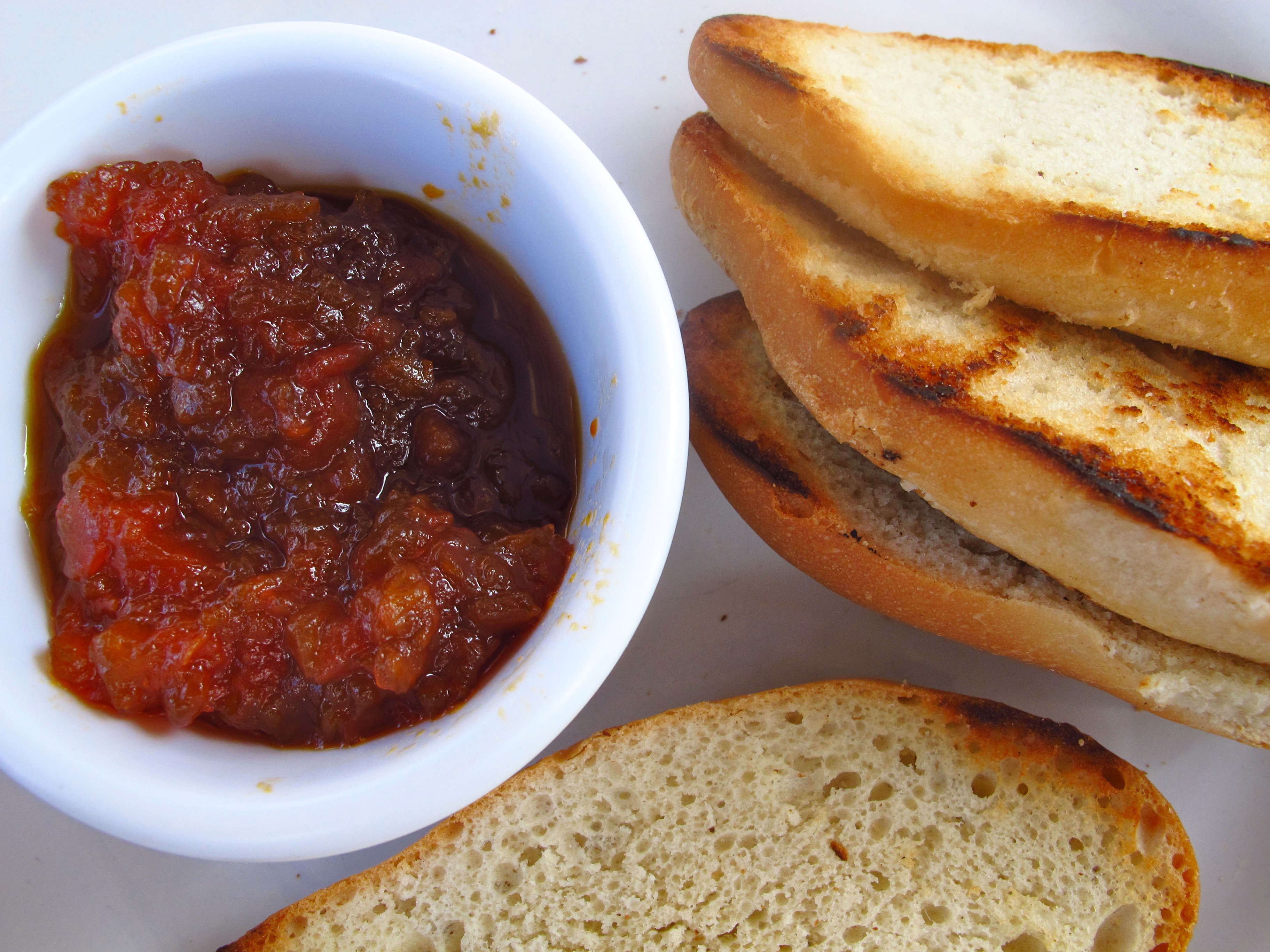
We’re just back from a trip to Tulum on the Mayan Riveria in Mexico – v:gourmet heading south to discover all sorts of new vegan treats. The first morning is always the most delicious. Waking up to the sound of bird song, and the wind in the palms. That first footstep onto the warm sand. The wind and the cold and the snow quickly evaporating into the clear blue sky. We had breakfast on a terrace overlooking the beach – fresh orange juice, organic mint tea, a plate of fresh fruit, and this housemade marmalade with toast. Of course the marmalade was different each morning depending on which fruit they needed to use up. One morning papaya. The next pineapple. This recipe is so simple, verstatile, and tasty, and it will infuse your mornings with the spirit of the south.

fruit, pineapples, papayas, or oranges
equal amount of organic cane sugar (for 1 large pineapple for example use about 2.5 cups sugar
a little lemon or lime juice (juice from 1 or 2 lemons or limes)
herbs if desired, mint or lavender
Peel and core the fruit. Chop as finely as possible or to your desired consistency. Put the fruit in a large heavy-bottomed pot with the sugar. Add the lemon or lime juice and the herbs if using and bring the mixture to a boil. Turn the heat down to low, cover the pot, and let simmer for 1/2 hour, or until the fruit is tender. Take off the lid, turn up the heat and boil until the mixture thickens. Remove the marmalade form the heat, discard the herbs, and let cool. Transfer to a glass jar and keep refrigerated.
vegetable paella
February 18, 2012
Many of you will have heard of paella. For those of you who haven’t, paella is a Valencian rice dish that originated in Valencia, on the east coast of Spain. Many non-Spaniards view paella as Spain’s national dish, but most Spaniards consider it to be a regional Valencian dish. And, Valencians think of paella as one of those things that make them who they are. There are three widely known types of paella: paella valenciana, paella de mariscoa, paella mixta. But there are many others – all of them free-style combinations of calasparra or bomba rices, wine, saffron and olive oil, green vegetables, beans, and seasoning. It’s a one pan dish full of flavour, texture, and satisfaction. Read on for the recipe below. Or check out v:gourmet’s first (of many) videos above produced by my main man Frantz who’s a student currently at Humber College. Frantz rocks. So does this recipe.

3 tbsps olive oil
1/2 spanish onion, finely chopped
2 cloves garlic, minced
1 small red bell pepper, cut into strips
1 small yellow bell pepper, cut into strips
1/2 fennel bulb, cut into strips
2 bay leaves
1/4 tsp smoked paprika
1/2 tsp ground turmeric
1/4 tsp cayenne pepper
1 cup calaspara rice (or another short-grain paella rice)
6 1/2 tbsps good quality sherry
2 cups veggie stock, heated
sea salt and pepper
3/4 cup shelled fava beans, peas or other green vegetable, cooked
4 tomatoes, cut into wedges
15 pitted kalamata olives
2 tbsps roughly chopped parsley
4 lemon wedges
Heat up the olive oil in a paella pan or large shallow skillet, and gently fry the onion for 5 minutes. Add the bell peppers and fennel and continue to fry on medium heat for about 6 minutes, or until soft and golden. Add the garlic and cook for 1 minute more.
Add the bay leaves, paprika, turmeric, and cayenne to the vegetables and stir well. Then add the rice and stir thoroughly for 2 minutes before adding the sherry and saffron. Boil down for a minute, then add the stock and 1/3 tsp sea salt. Reduce the heat to the minimum and simmer very gently for about 20 minutes, or until most of the liquid has been absorbed by the rice. Do not cover the pan and don’t stir during the cooking.
Remove the paella pan from the heat. Taste and add more salt if needed but without stirring the rice and vegetables much. Scatter the tomatoes, and peas or beans over the rice and cover the pan tightly with a lid or foil. Leave to rest for 10 minutes.
Take off the foil. Scatter the olives on top of the paella and sprinkle with parsley. Serve with wedges of lemons.
v:(alentine) gourmet
February 12, 2012

A friend complained to me the other day that she was stressed out about what to serve her sweetie for Valentine’s Day dessert. Let’s be honest – there are many things you should be doing on Valentine’s Day; stressing about dessert is not one of them. If you want to spend time in the kitchen cooking up a flourless chocolate cake, that’s fabulous. If not, why not put together a carefully curated selection of vegan chocolate, spiced pecans, and sliced pears to savour beside the fire after your Valentine’s Day feast?
I get my chocolate from Soma, my favourite chocolatemakers on the planet. Any of their dark chocolate is vegan by its very nature. The tumbled almonds are to die for. The old school chocolate bar has only two ingredients – cocoa nibs and cane sugar. Chocolate as it was back in the day, thousands of years ago. And then there’s always the chocolate with aleppo peppers or maldon salt or wild cherries, barberries, and cranberries. If you don’t have a Soma nearby, check out any of your local chocolate purveyors. You never know, if you ask, you might well receive. Happy v:(alentine’s) Day.
harira
February 11, 2012
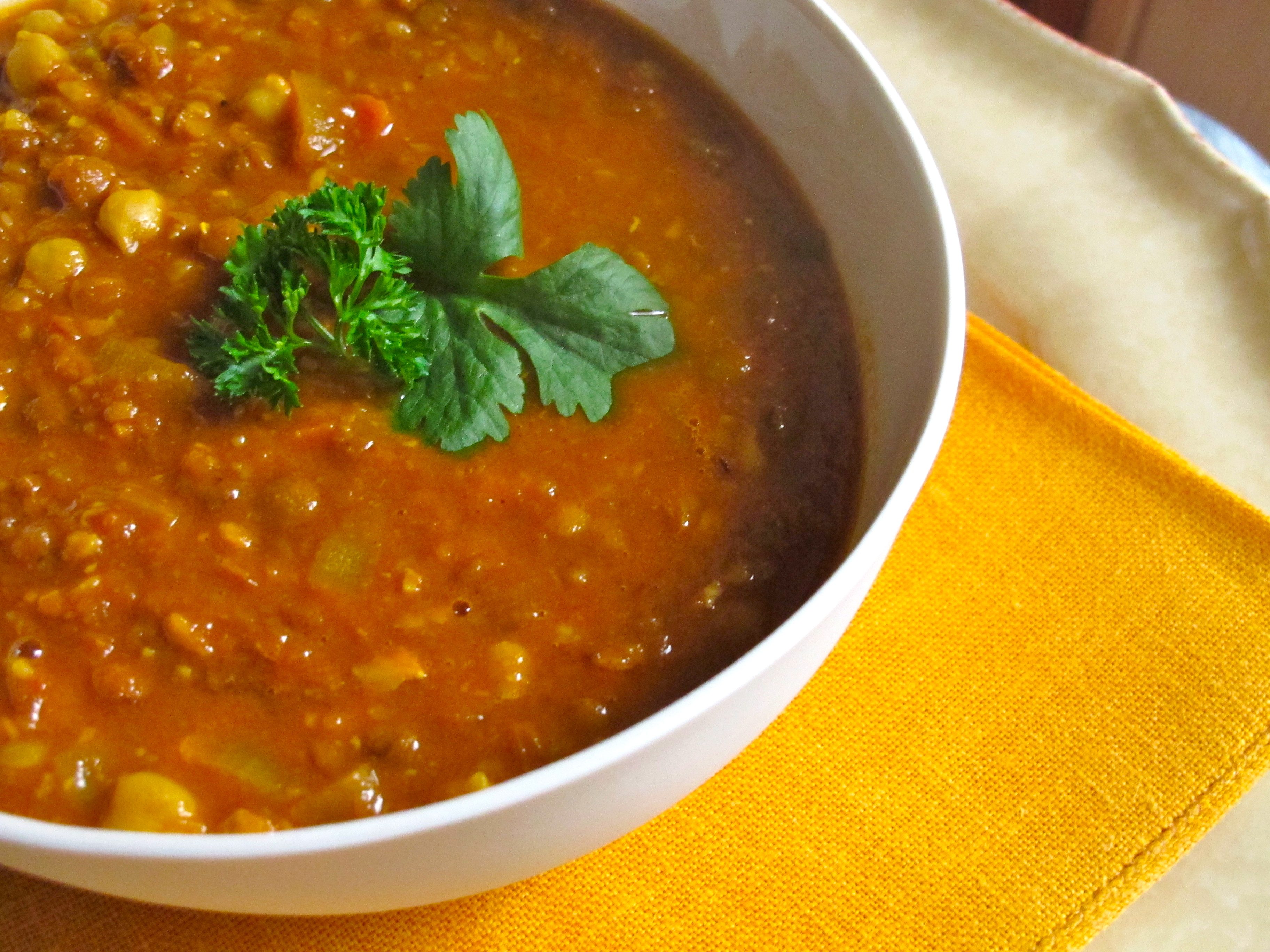
I wonder about the exact origins of this soup. Most references trace it back to Morocco. It has a long and auspicious history including being the traditional soup Muslims eat to break the fasting day during the holy month of Ramadan. Each time I rinse my lentils and pick out the rocks, I think of those that might have had to do the same centuries ago. I’m sure there were those that did the picking, and those that definitely did NOT do the picking enjoying instead their sunny balconies in their djellaba and balgha overlooking the waves of one of the greatest seas on earth. This soup is like the sun. It makes me think of the desert, of the Mediterranean, of history, of ceremony, and of nourishment when one needs it most.
3 tbsps olive oil
1 onion, chopped
3 celery stalks, diced
4 medium carrots, diced
4 cloves garlic, minced
1 tsp cinnamon
2 tsps ginger
2 tsps turmeric
2 tsps cumin
1/4 tsp cayenne
3 tbsps tomato paste
2 cups stewed tomatoes
5 cups vegetable or bean stock
1 bay leaf
2 tsps sea salt
pepper
2 cups chickpeas
1 cup brown lentils
juice from 1/2 lemon
parsley, chopped
cilantro, chopped
Heat the olive oil in a heavy bottom dutch oven. Add onions, carrots, and celery and sauté until tender. Add minced garlic and sauté for another 2 – 3 minutes until garlic is fragrant. Add spices and sauté over low heat until fragrant but be careful not to burn them.
Add the tomato paste and stir until it’s blended well. Slowly add the stewed tomatoes and stock stirring constantly until you have a smooth consistency. Add bay leaves and salt and pepper to taste.
Add chickpeas, cover and simmer over low heat for 30 minutes or until chickpeas begin to soften. Add lentils and cover. Simmer for 30 minutes longer or until chickpeas and lentils are cooked through.
Add lemon juice and chopped cilantro and parsley (or serve with chopped herbs on the side). Adjust seasoning and serve.
bean stock
February 8, 2012
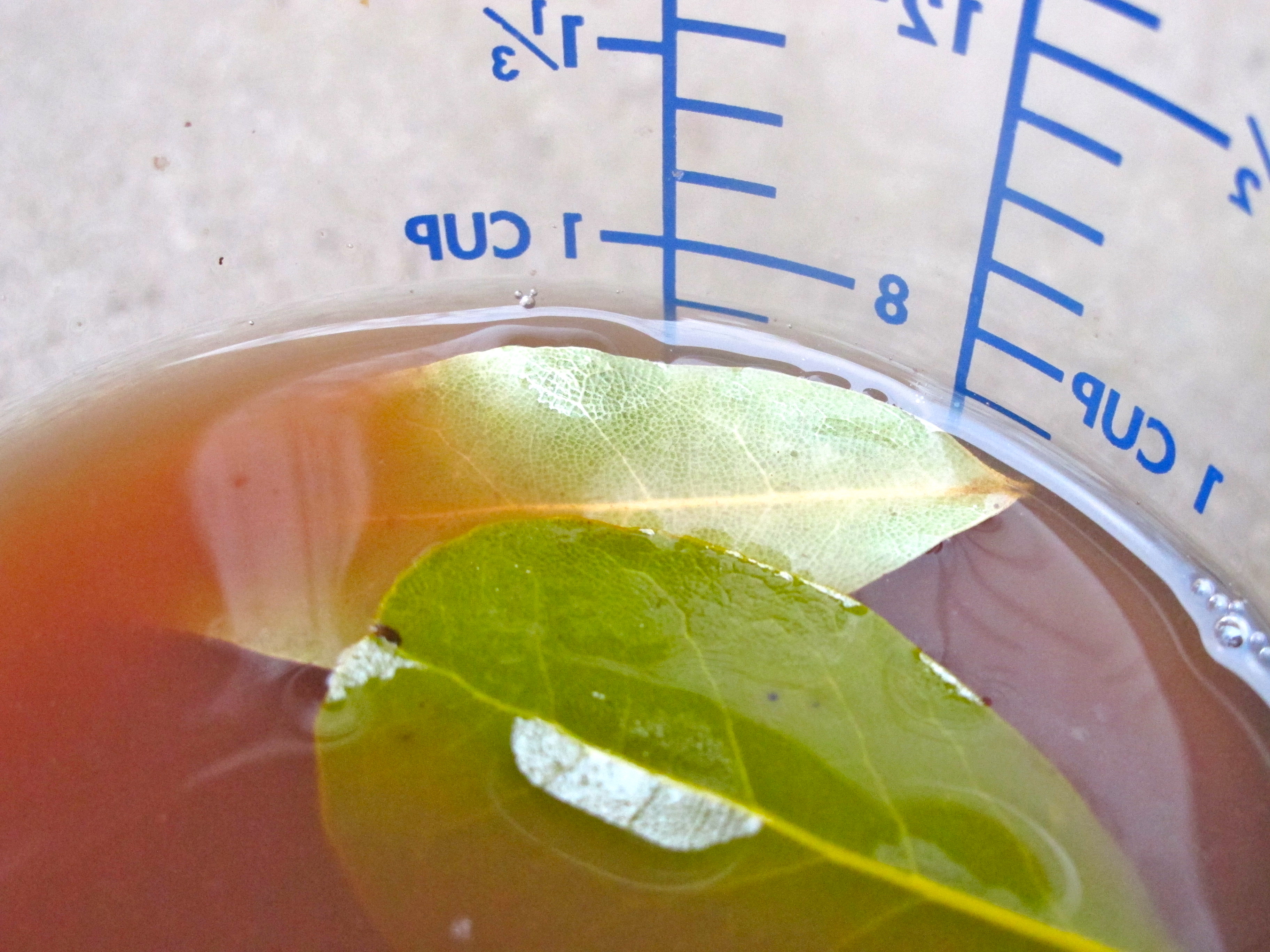
Hardly a recipe, but essential for good food, deep flavours, and economies in the kitchen. When you are cooking beans, which I hope you do once in awhile, add a few bay leaves, some garlic cloves, maybe a carrot and a stalk of celery. When your beans are done, take out the accoutrements (bay leaves, garlic, carrot etc.) and discard. Then, when you drain the beans, don’t let that gorgeous bean stock get wasted down the kitchen sink! Save it. It’s luscious, and full of flavour, and works wonders in blackened rice, or moroccan tagine, or other bean-friendly dishes. Drain the beans off into a big bowl. Let the stock cool down, and then freeze it in different sized containers to use at your leisure. You won’t be sorry you took the extra 5 minutes to do so. Promise.
P.S. I learned from Cook’s Illustrated the other day that if you add a piece of kombu (seaweed) to your beans while cooking, it makes the beans more tender and flavourful. I think they’re right! Try it out.
alsatian tarte à l’oignon
February 4, 2012
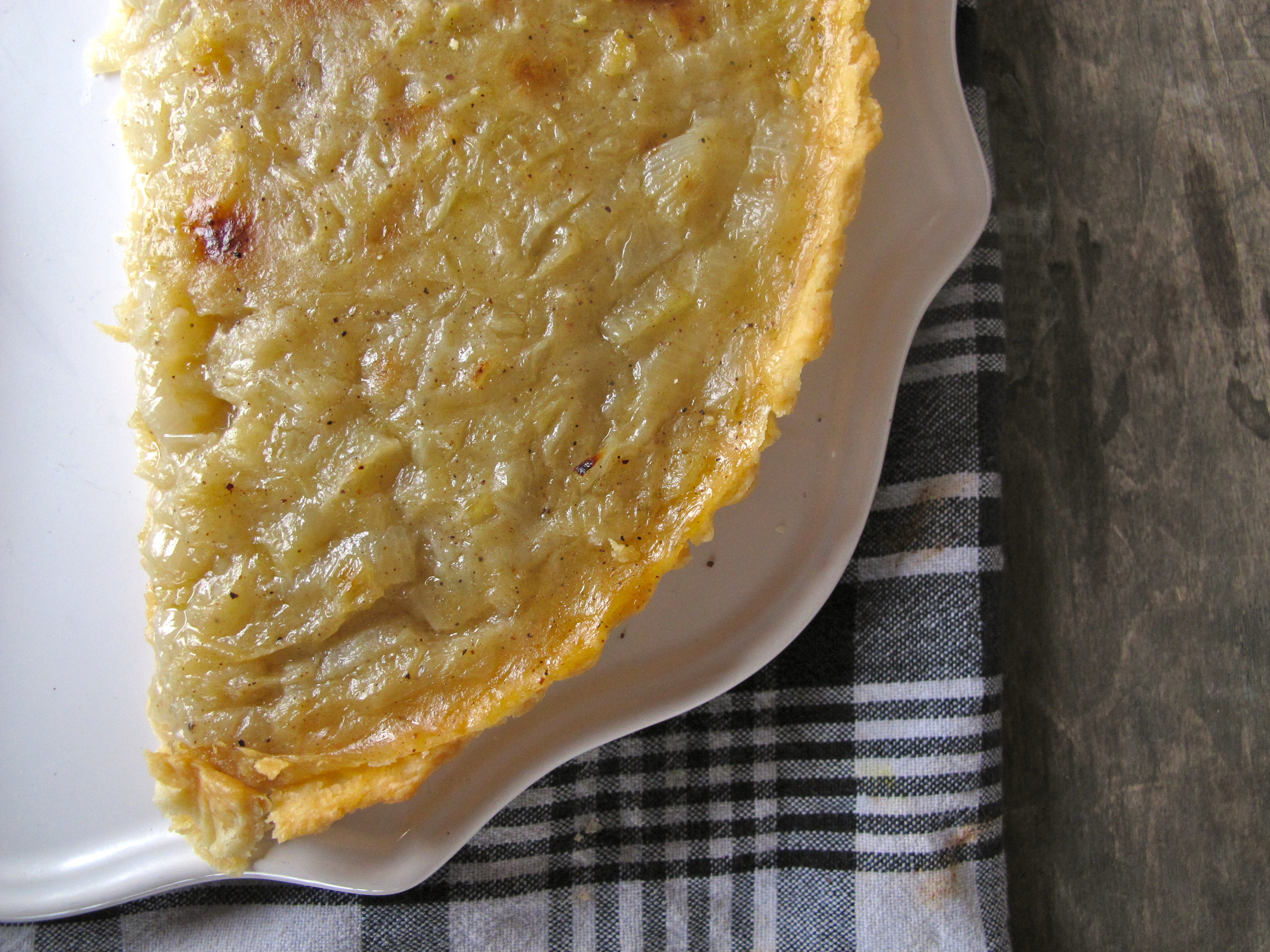
I’ve had a hankering for this dish for awhile, dreaming of being in a quaint little Parisian café about to dive into the sweetness of onion, the pungency of nutmeg, and the flakiness of pâte brisée. But how to veganize it without losing all that the French stand for in their cuisine? I can just hear it now, spreading like a whisper across an outraged city of lights, “Mais non! Ce n’est pas possible.” The travesty of it all. Well, now having made this heavenly version, I can say with confidence (and trying my best to put on those French puckered lips) “Mais oui mesdames and messieurs. C’est possible!” Franchement.
Single Crust Pâte Brisée
1 1/4 cups pastry flour
1/4 tsp salt
1/2 cup vegetable shortening (I use organic, non GMO, Earth Balance shortening)
3 – 3 1/2 tbsps water, iced
Onion Filling
1/4 cup olive oil
7 or 8 medium-sized onions, sliced thinly
2 tbsps all-purpose flour
1/2 teaspoon freshly grated nutmeg
1/4 cup white wine
1/2 cup rice or soy cream
sea salt and pepper
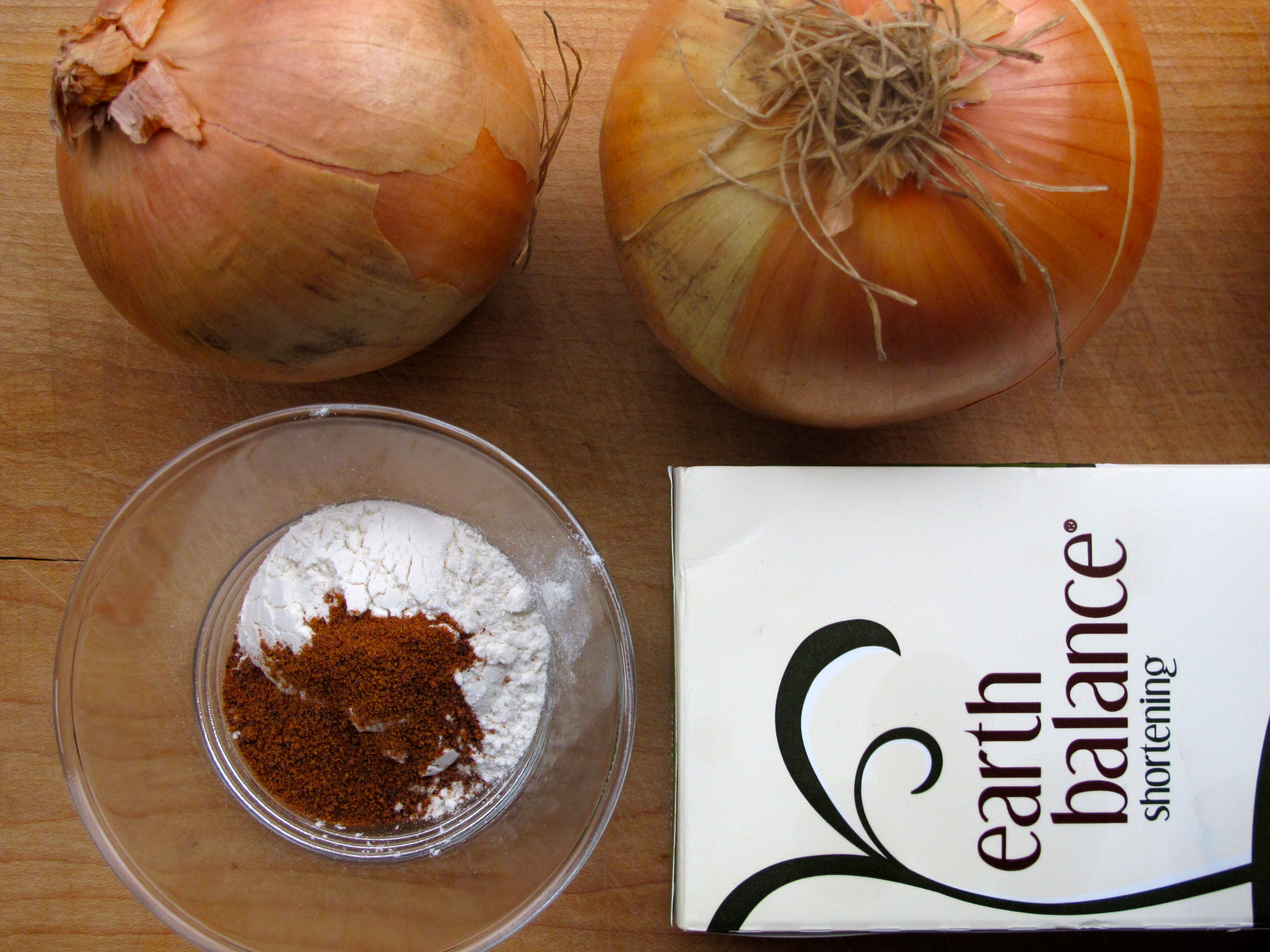
Putting it together
For the pâte brisée, whisk the flour and salt together in a mixing bowl. Add the shortening by cutting it into small pieces and then, using your hands or a pastry cutter, blend it into the flour working it into pea-sized pieces until it resembles a coarse crumb. Add the iced water, beginning with only 3 tablespoons, mixing enough to form a ball (do not over mix or your pâte will become stiff). Add more if you need it but it might not be necessary. Flatten the ball into a disk shape, wrap it, and chill the dough until ready to use; at least a half hour.
Once your pâte brisée has chilled, remove it from the fridge and roll the dough out to 1/4″ thickness with a floured rolling pin. Transfer it to a 9″ tart pan with a removable bottom. Shape it, trim the excess dough, leaving a 1/2″ overhang, then fold the overhang over the pastry sides and press against the side to reinforce the edge. Pierce the bottom with a fork a few times and place it in the fridge for 30 minutes until it’s firm.
While the pâte is chilling pre-heat the oven to 400 degrees.
After the pastry has chilled, line the chilled shell with parchment paper and fill with pie weights. Bake until the pastry is set and pale golden along rim, 15 to 20 minutes. Carefully remove foil and weights and bake the shell until it’s golden all over, 10 to 15 minutes more. Transfer the shell to a rack.
Turn the oven down to 350 degrees.
While your pasty is cooking, prepare your onions. Heat the olive oil in a heavy bottomed dutch oven. Add onions and stir. Cover to cook over medium-high heat for about 15 minutes or until the onions have started sweating and have become quite soft. Remove the lid and cook for another 15 minutes until onions start to brown a little. Stir often to make sure they don’t burn and you cook them all evenly. Once cooked, add the flour and nutmeg and stir thoroughly so all the onions are coated. Let simmer over medium to low heat for another 3 or 4 minutes. Deglaze the onion mixture with the wine. Let simmer for a minute or two. Add rice or soy cream and stir until the mixture thickens. Add sea salt and pepper to taste and let it bubble away for about 15 minutes more.
Once the onion filling is cooked through, taste the mixture for seasoning. Adjust if necessary. Place it into the tart shell and spread it out evenly. Bake for approximately 15 minutes, or until the top sets and the filling binds with the sides of the dough. Let cool for a good 15 minutes or so before removing from the pan to let it set up a bit. Slice and serve.
While a nice large tart looks lovely, this recipe also lends itself to small individual tarts. Simply line large muffin tins or ramekins with the pâte brisée, and continue the process.
Wine: Pair this baby with a lovely grüner veltliner (a white wine variety grown primarily in Austria with a reputation of being a particularly food-friendly wine) or look to Alsace for a full pinot gris or gewürztraminer.
miso dressing
January 31, 2012
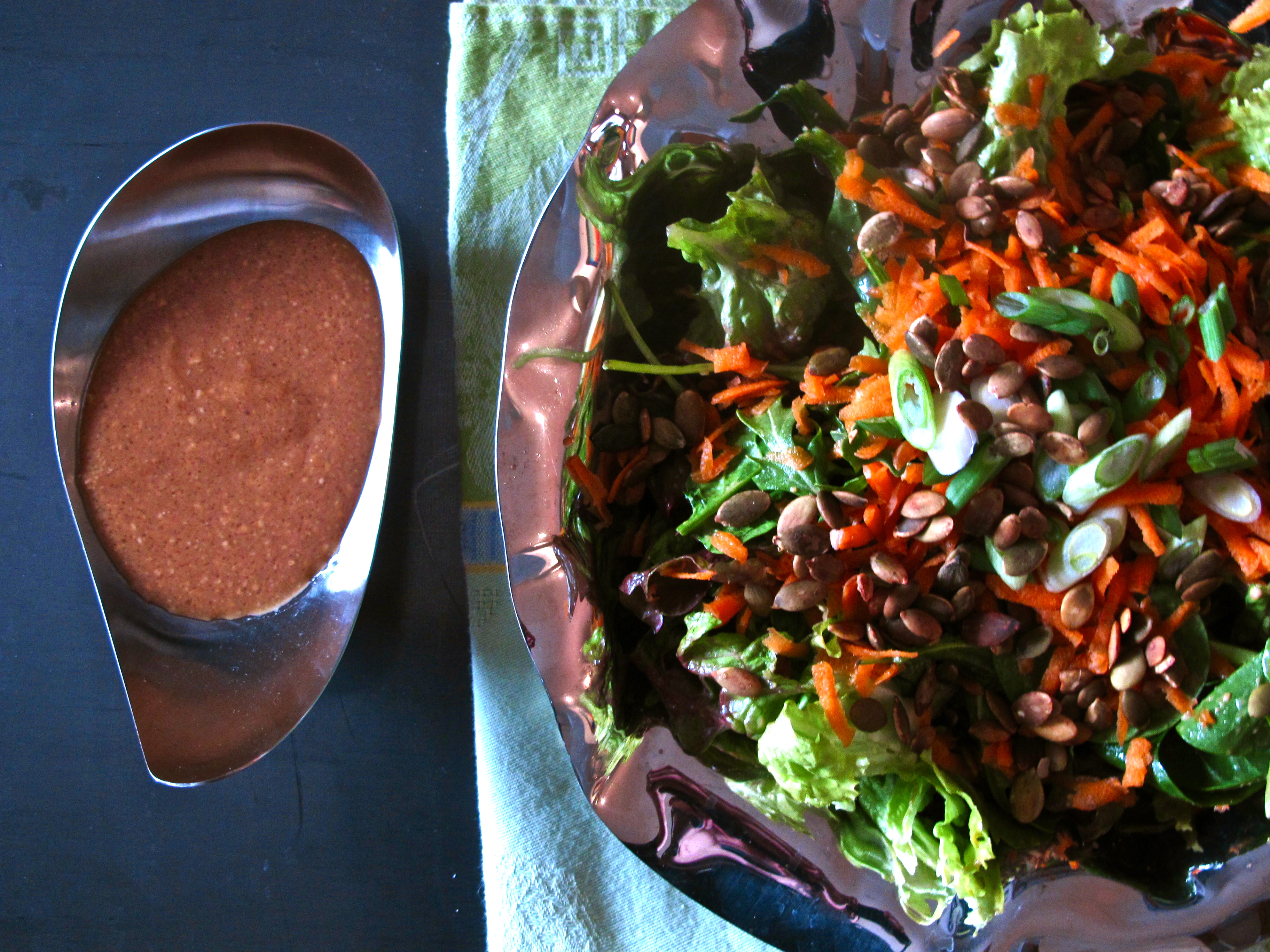
Andrew and I have often said that miso is so good, we think it could change the world. With its salty taste and buttery texture, this fermented paste super-charges soups, salads, and marinades alike. I tend to buy the mellow yellow rice version, but barley miso and soybean miso are equally tasty. Here’s a simple miso dressing that I’m particularly fond of on a mixed green salad with shredded carrot, green onions, and tamari pumpkin seeds.
3/4 cup organic rice miso
3 tbsps extra virgin olive oil
1 1/2 tsps toasted sesame oil
3 tbsps brown rice or apple cider vinegar
3 tsps maple syrup
6 tbsps water
1 1/2 tsps tamari
Put all ingredients in a mixing bowl and whisk briskly until well blended. Keep in a jar in the fridge for salads, marinades, or drizzled over steamed kale. If you want to thin it out, simply add more water, a teaspoon at a time, until it reaches desired consistency.
spiced apple butter
January 27, 2012
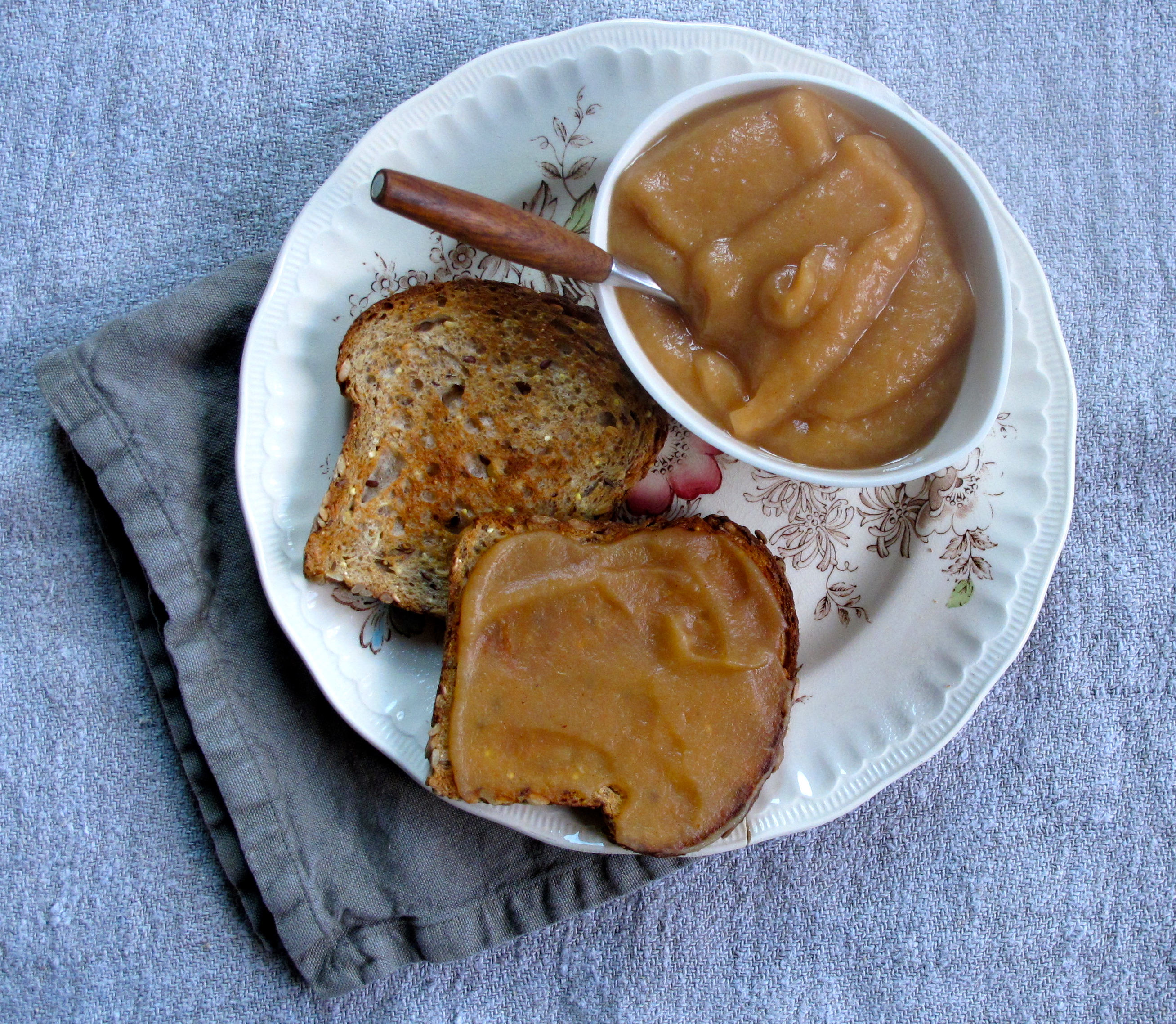
This apple butter might be more aptly named sweet spiced apple butter but of course that depends on the kind of apples you use. Macintosh will give you much sweeter butter than granny smith for instance, but use what you like and don’t worry about it too much. It’s perfect on a whole-grain toast in the morning. And it would be a lovely accompaniment to breakfast quinoa or oats just to mix things up a bit. It’s so tasty in fact that I’m now not sure why people put “normal” butter on their toast. But then again, I’ve come to wonder about a lot of things people eat. Just sayin’.
6 organic apples, either the same or different kinds, peeled, cored, and cut into rough chunks
2 star anise pods
6 cloves, whole, or 1/4 tsp ground cloves
1 tsp ground cinnamon
1/8 tsp ground nutmeg
1/2 cup water or apple cider
1/2 cup organic cane sugar
1 tbsp lemon juice
Place apples, spices, and water or cider in a heavy bottomed pot and bring to a boil on high heat. After about 5 minutes or so, turn heat down to medium, add the sugar and lemon juice and let bubble away until the apples are very tender, about 25 minutes. If you need to add a bit more water or cider, do so a little bit at a time but you want your butter thick so don’t add too much.
Once cooked through and the apples are mushy, turn the heat off and let cool. Remove the star anise and cloves. Purée the mixture in a blender or food processor. Or if you like it chunky, simply mash it with a potato masher until you’re happy with the consistency. Keep it in the fridge or freeze it for later use.
sun-dried tomato pesto
January 16, 2012
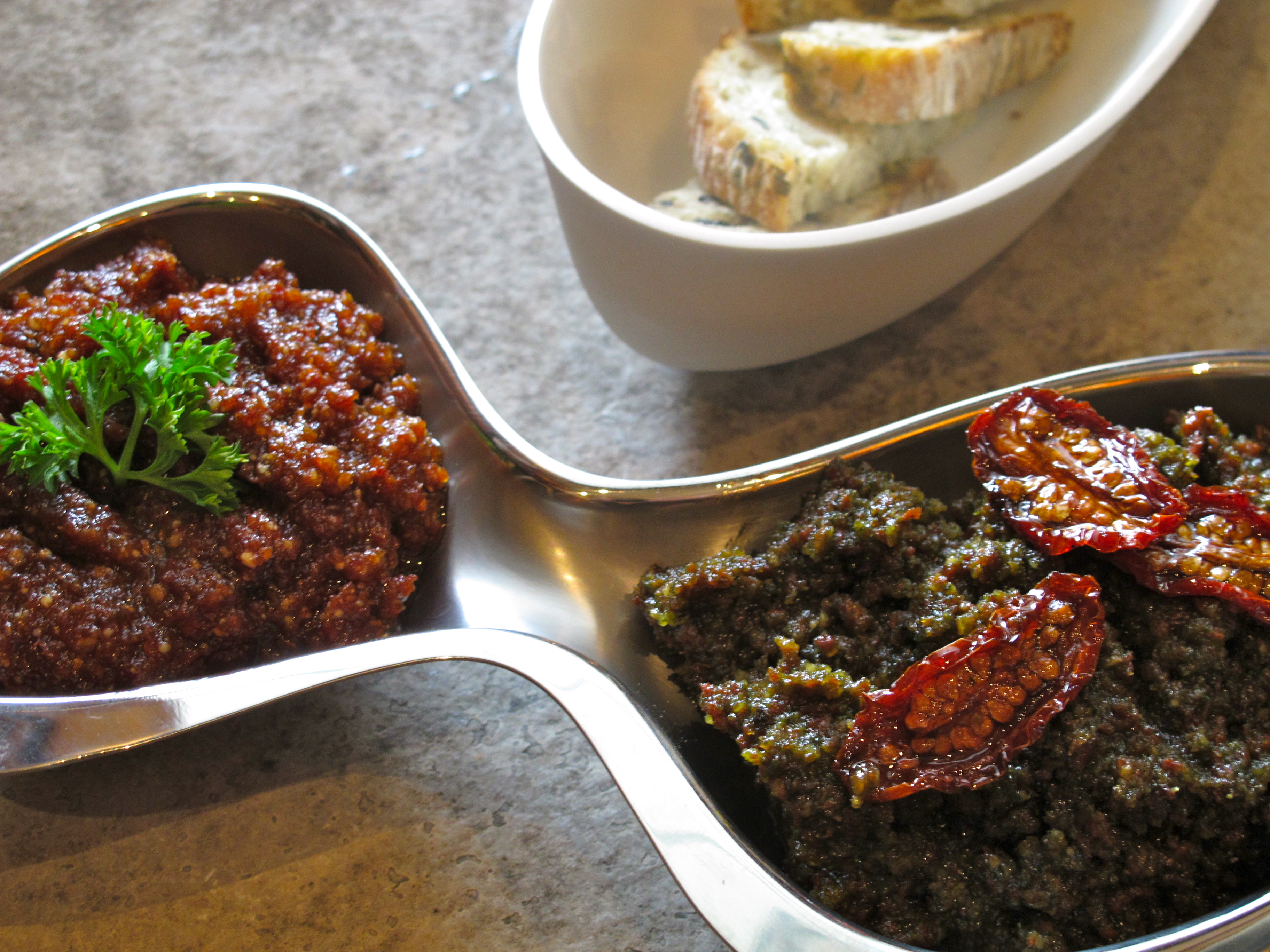
Everyone should have a few pestos and sauces loitering around in their fridge. They are so versatile and adaptable. We try to keep romesco, tapenade, and hummus on hand to spread on sandwiches, to snack on with a cracker when we’ve got the afternoon munchies, or to dollop on soup and stews like the fabulous Tuscan ribollita. This sun-dried pesto version is another option with either basil (on the right) or straight-up (on the left). With all the health benefits of basil – it being antioxidant, antiviral, antimicrobial, and “king of the herbs” as some like to call it – why wouldn’t you throw in a handful? But, the minimalist version is beautiful as well.
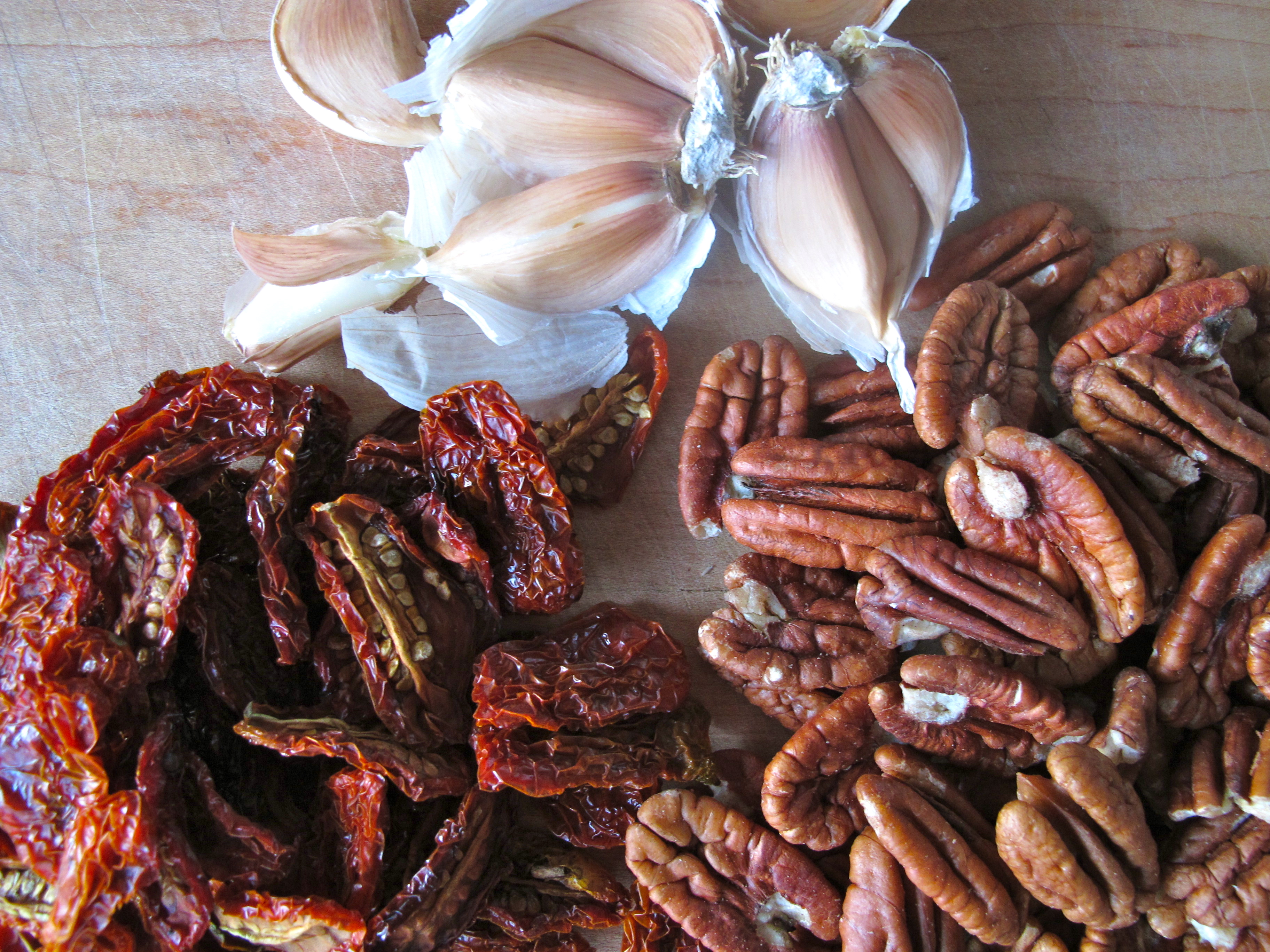
2 cups sun-dried tomatoes, plain or smoked
1 cup pecans
1 cup basil (optional)
4 cloves garlic, peeled
3/4 cup olive oil
sea salt to taste
Throw all ingredients in a food processor. Blend until the pesto reaches your preferred consistency. Adjust salt and serve.
fingerling tomatoes
January 7, 2012

I owe the inspiration for this delectable finger food to my dear friends Cathy & Christopher who had us for dinner and served these little bites of heaven beforehand. They make a tasty appetizer flirting with ginger hummus or olive tapenade. Or eat them as a quick and healthy snack mid-day on their own or gracing the top of a cracker. They are also a quick side dish at dinner if you’re looking for a pop of colour and some Mediterranean goodness.
2 dozen cherry tomatoes, topped
olive oil
sprigs of thyme, de-leafed
garlic, shaved
sea salt and pepper
Preheat the oven to 350 degrees. Prepare the tomatoes by cutting off just the very top of each. Place in an oven-proof dish or on a cookie sheet so that they stand tall. Drizzle with olive oil, and then sprinkle with thyme leaves. Next place one or two thinly shaved pieces of garlic on top of each tomato. (A mandolin works well or, if you don’t have one, a sharp knife and steady hand.) Sprinkle with sea salt and pepper to taste. Bake in the oven for 30 minutes or until soft and succulent.
 v:gourmet