tacconi con salsa rossa al funghetto
September 16, 2012
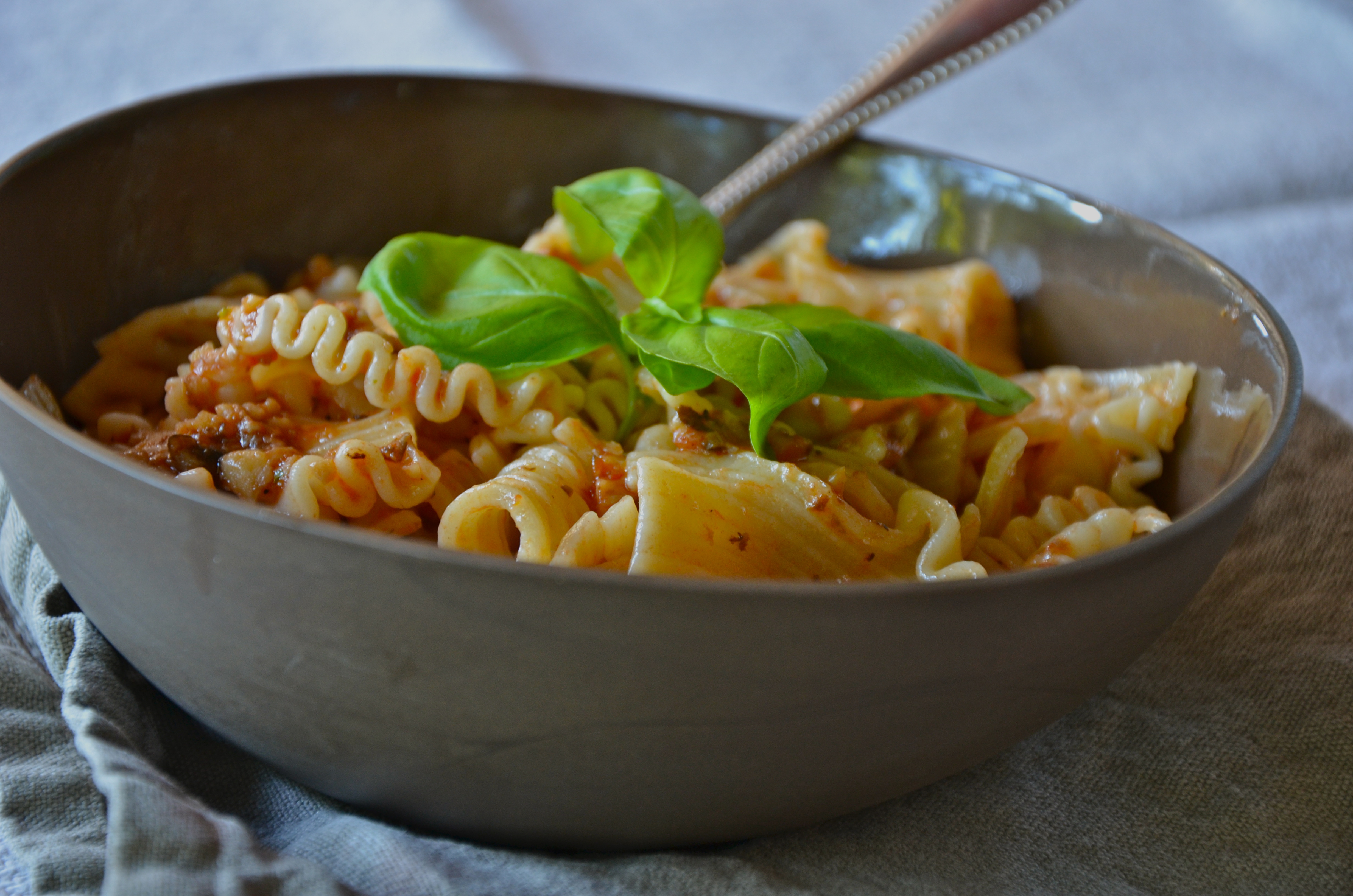
Tacconi is a square pasta, kind of like a short lasagnette noodle. It’s flat in the center and rippled on two sides and it was designed to hold rich, earthy sauces made from mushrooms and other goodies. It’s common in Tuscany and works beautifully with salsa rossa al funghetto. If you can’t find tacconi, use penne or fusilli. If you can find tacconi, buy a bunch and keep them in the cupboard. Unusual shapes are hard to find so when you do come across them, stock up my good people. Make a tuscan proud.
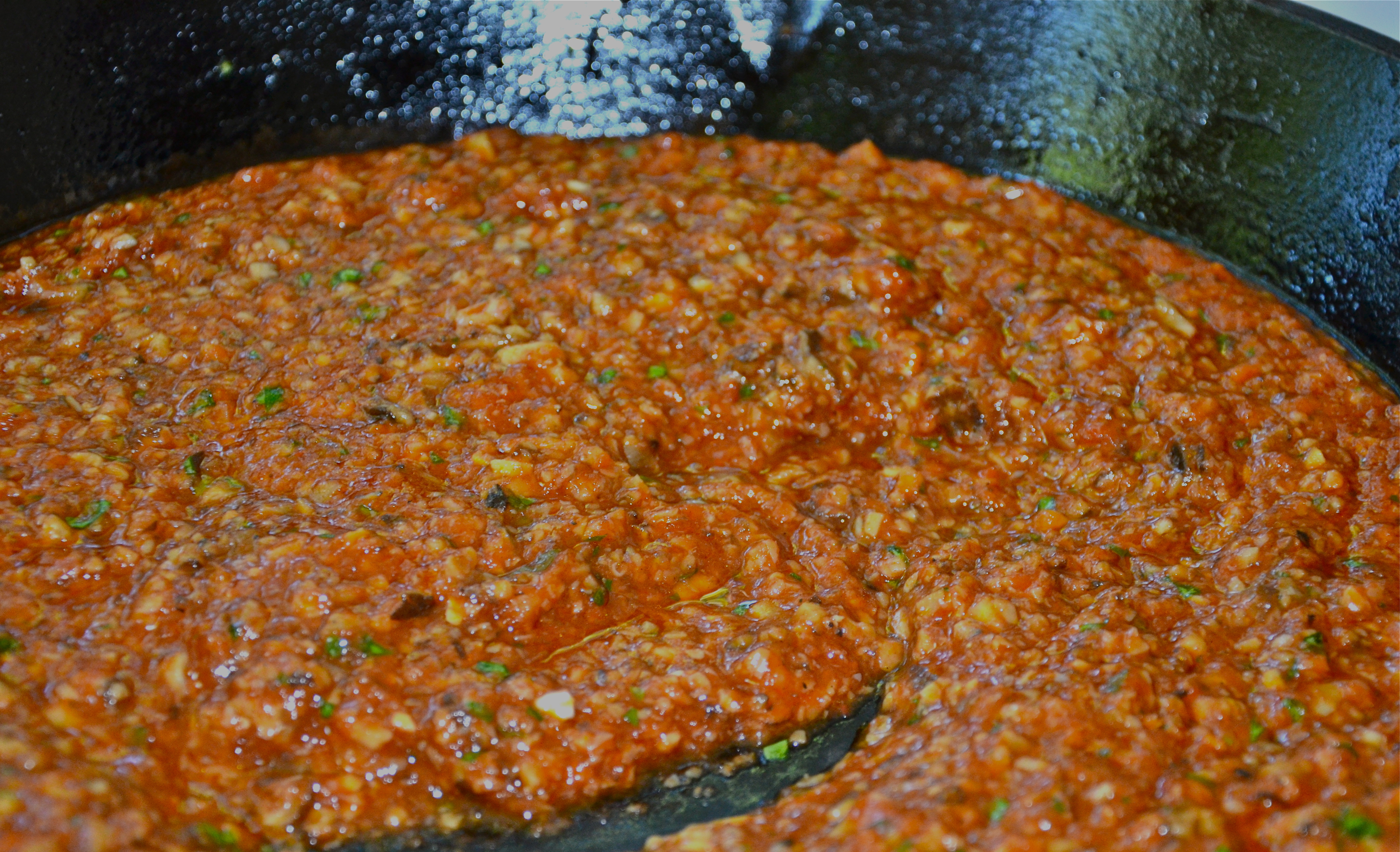
2 tbsps olive oil
3 cloves garlic, minced finely
1/2 cup salsa al funghetto
2 cups stewed tomatoes
2 tbsps tomato paste or tomato conserva
fresh basil, minced
sea salt and pepper
1 lb tacconi, penne or fusilli
parmigiano (optional)
Heat olive oil in a pan and sauté garlic over medium heat until golden. Stir in the salsa al funghetto, tomatoes, tomato paste, and basil. Turn the heat to high and cook until the sauce is reduced somewhat. Add sea salt and pepper to taste.
Meanwhile, cook the tacconi in boiling salted water until al dente. Drain, transfer to a large bowl, and add sauce until well-coated. Reserve any sauce that’s not used for the next time. Add a little grated parmigiano if you want the non-vegan version. Or, for the vegan version, simply serve with a few basil leaves for garnish and a side salad. Maybe even some crusty tuscan bread with a bowl of fabulous sun-kissed olive oil. Adapted from Pino Luongo’s A Tuscan in the Kitchen.
salsa al funghetto
September 16, 2012
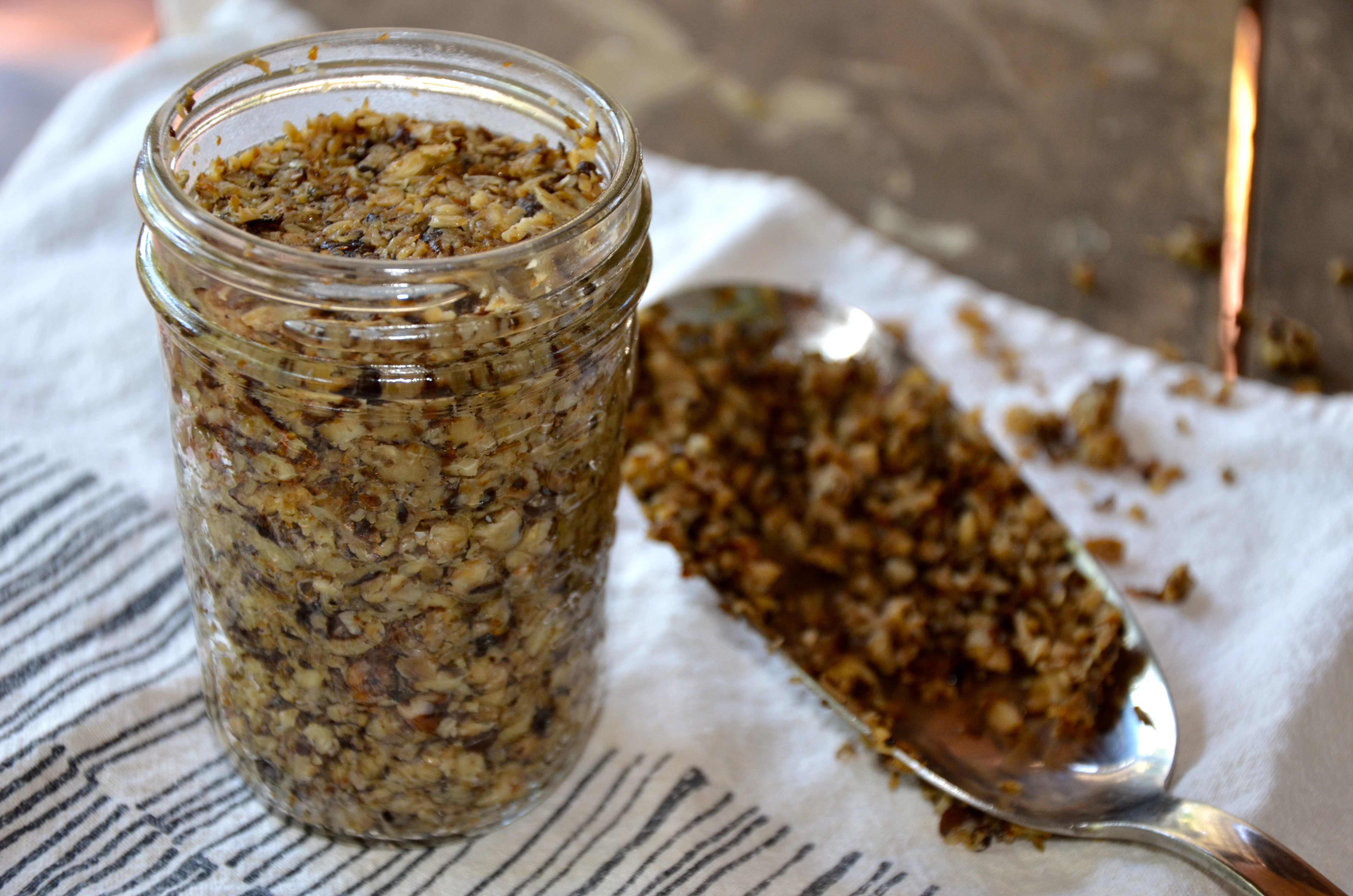
The Tuscans like their funghi and, while traipsing around Chianti and the Crete Senese, we found variations of funghi-based dishes on every menu. Salsa al funghetto is a paté of cooked mushrooms that can be used in many formats. It can adorn a nice crostini as an appetizer, it can be added to soups and sauces, and it can be used in the traditional tacconi con salsa rossa al funghetto. Use any and all mushrooms (yes, even the Asian shitake and maitake) (yes, even the ones you found at the back of your fridge that are starting to dry up) and keep a jar or two of this in the fridge and/or freezer so you can pull it out at anytime and get transported to the boscos of Toscana where the best funghi grow.
2 tbsps olive oil
4 cloves garlic, finely minced
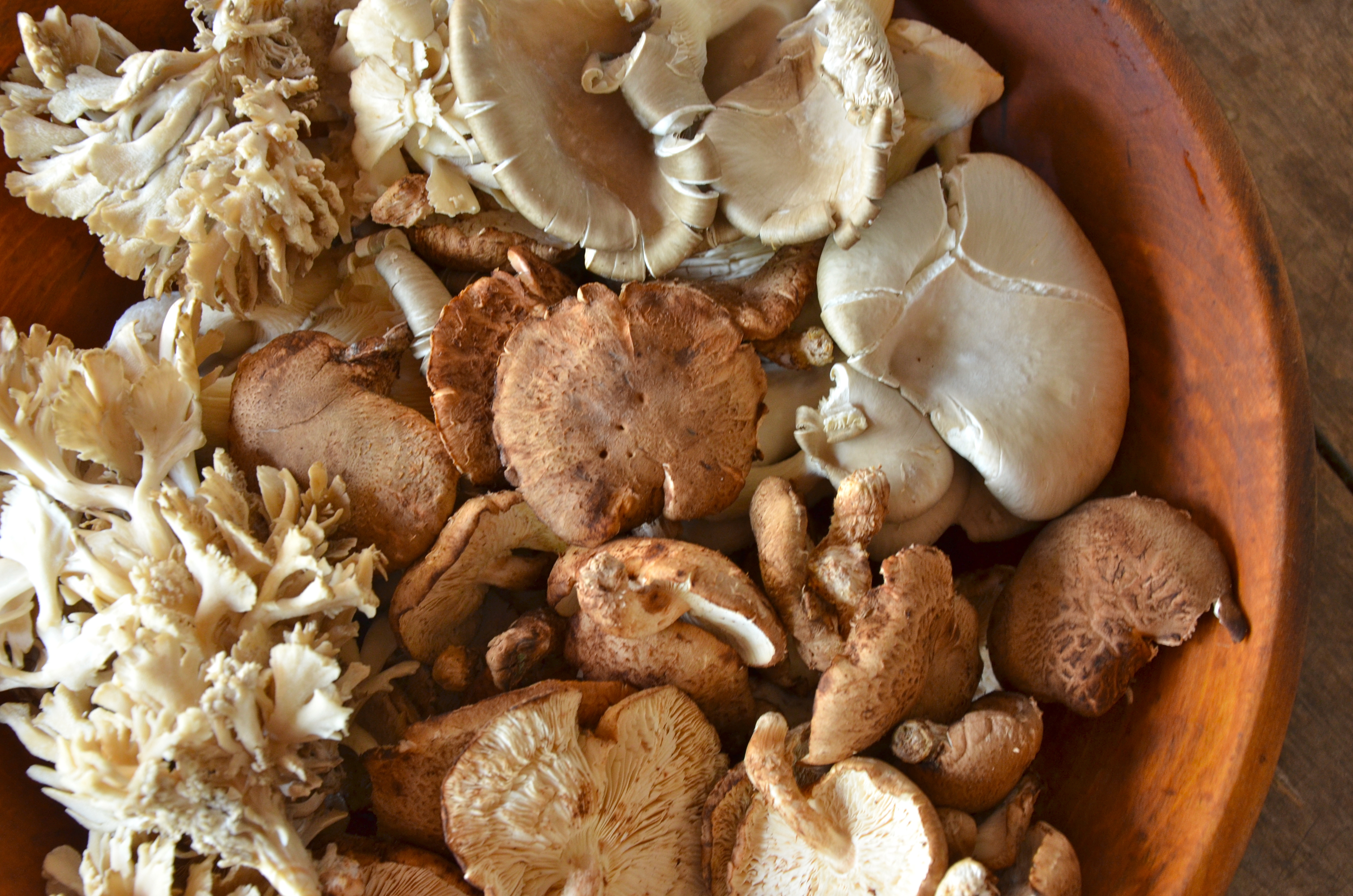
healthy bowl full of mushrooms, finely chopped
sea salt and pepper
Mince the mushrooms until they are very finely chopped or even until they are almost a paste-like consistency. Sauté the garlic over medium heat in olive oil until full of colour. Add mushrooms and cook slowly until they turn a very dark brown colour and they lose most of their liquid. Season with sea salt and pepper to taste. If there is remaining liquid, remove the mixture with a slotted spoon and press out as much of the remaining liquid as possible. Store in the refrigerator or freeze for up to a month. Adapted from Pino Luongo’s A Tuscan in the Kitchen.
tomato conserva
September 11, 2012
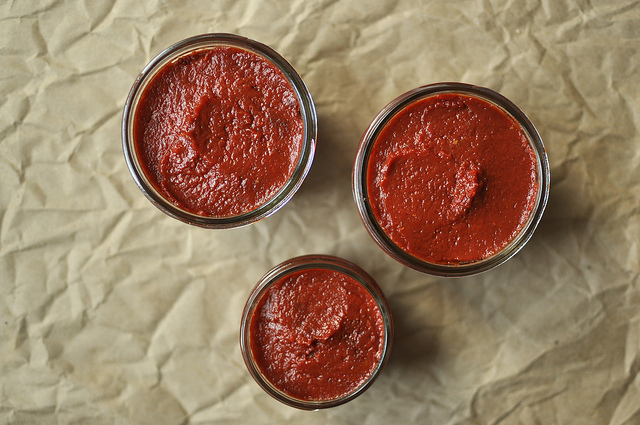
I’m going to go out on a limb here folks because right now it’s all about tomatoes. I went to the market on Saturday after a serious day of rain and they were worried the market would flood so they evacuated everyone. Big shame because all of the producers, of course, were anxious to sell their produce which they didn’t want to drag home, and in some cases couldn’t drag home because it would perish. So, right before the woman with the walkie talkie threatened to remove us physically from the premises, I became the proud owner of pounds and pounds and pounds of fresh tomatoes.
My post today is not my own but comes from Marisa McClellan of Food In Jars. I don’t normally post other peoples stuff directly but I think everyone needs to experience the joy and power and pleasure of tomato conserva. So here it is, direct from Marisa via Food52.
10 pounds tomatoes
1/4 cup olive oil (plus more for topping)
2 teaspoons sea salt
Chop tomatoes into quarters. Combine them in a large pan with 1/4 cup olive oil and bring to a simmer. Cook until they are soft and the peels begin to detach from the tomato flesh.
Push warm tomatoes through a food mill, sieve or chinois, so that you separate the tomato pulp from the seeds and skins.
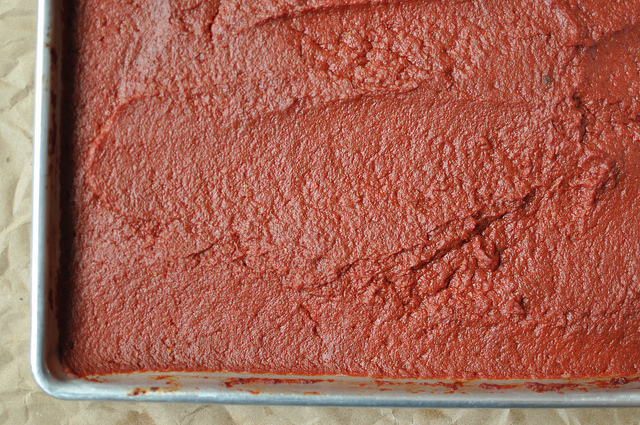
Divide the tomato pulp between two large, rimmed baking sheets (I used two half sheet pans).
Place baking sheets in the oven and bake at 350° F. Check tomatoes every half hour, stirring the paste and switching the position of the baking sheets so that they reduce evenly.
Over time, the conserva will start to reduce to the point where it doesn’t fill the baking sheet any more. At this point, I combine the contents of the two pans into and continue to bake.
When the conserva is shiny, brick-colored and has reduced by more than half, it is done. There shouldn’t be any remaining water or moisture separating from the paste at this point.
Scrape finished conserva into clean half or quarter pint jars. Top with a layer of olive oil and place in either the refrigerator or the freezer. As long as you keep it well-covered with olive oil and ensure that you only use a very clean spoon to remove it from the jar, it will keep in the fridge for a month or so. Frozen, it will keep for up to nine months.
pici all’aglione
September 3, 2012
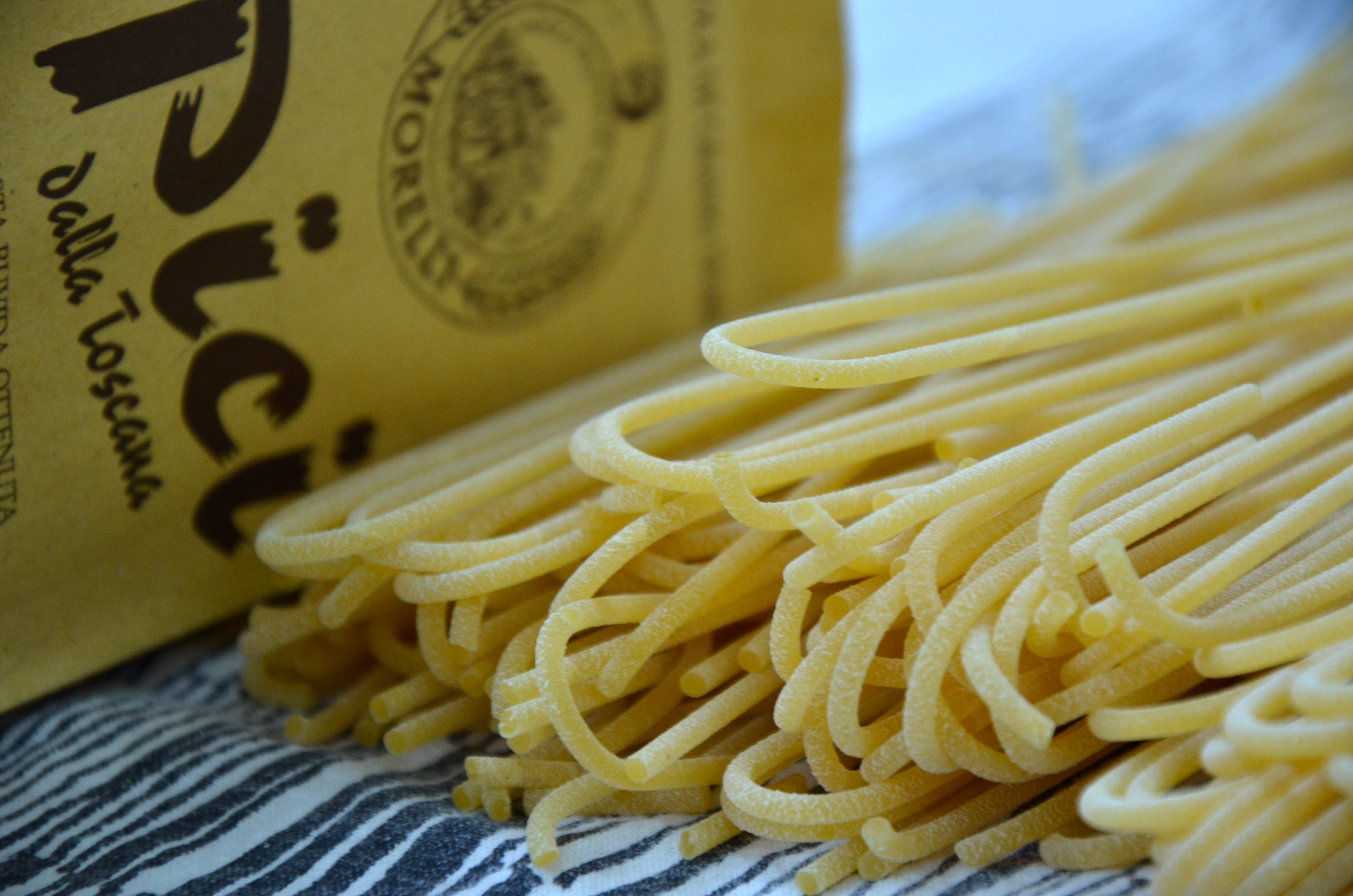
So we were just in Tuscany celebrating 20 years of marriage. We ate and drank our way through the countryside very happily finding tasty gems on each and every menu to bring back to you, my v:gourmet followers. First and foremost – not to be underestimated for its authenticity, simplicity, and pervasiveness throughout Tuscany – is Pici all’Aglione. Pici is a thick, hand rolled pasta, like a fat, uneven spaghetti, originating in the province of Siena. You can find it in almost any osteria, trattoria, or ristorante and it’s usually adorned with basic ingredients like breadcrumbs (briciole), spicy garlic sauce (aglione) or mushrooms (boscaiola). Look for pici in specialty shops, or if you can’t find it, make your own. It’s hand-rolled which has got to be fun!
pici
1/4 cup olive oil
8 garlic cloves, minced
1/2 cup coarse breadcrumbs
hot red pepper flakes or peperoncino, finely crushed
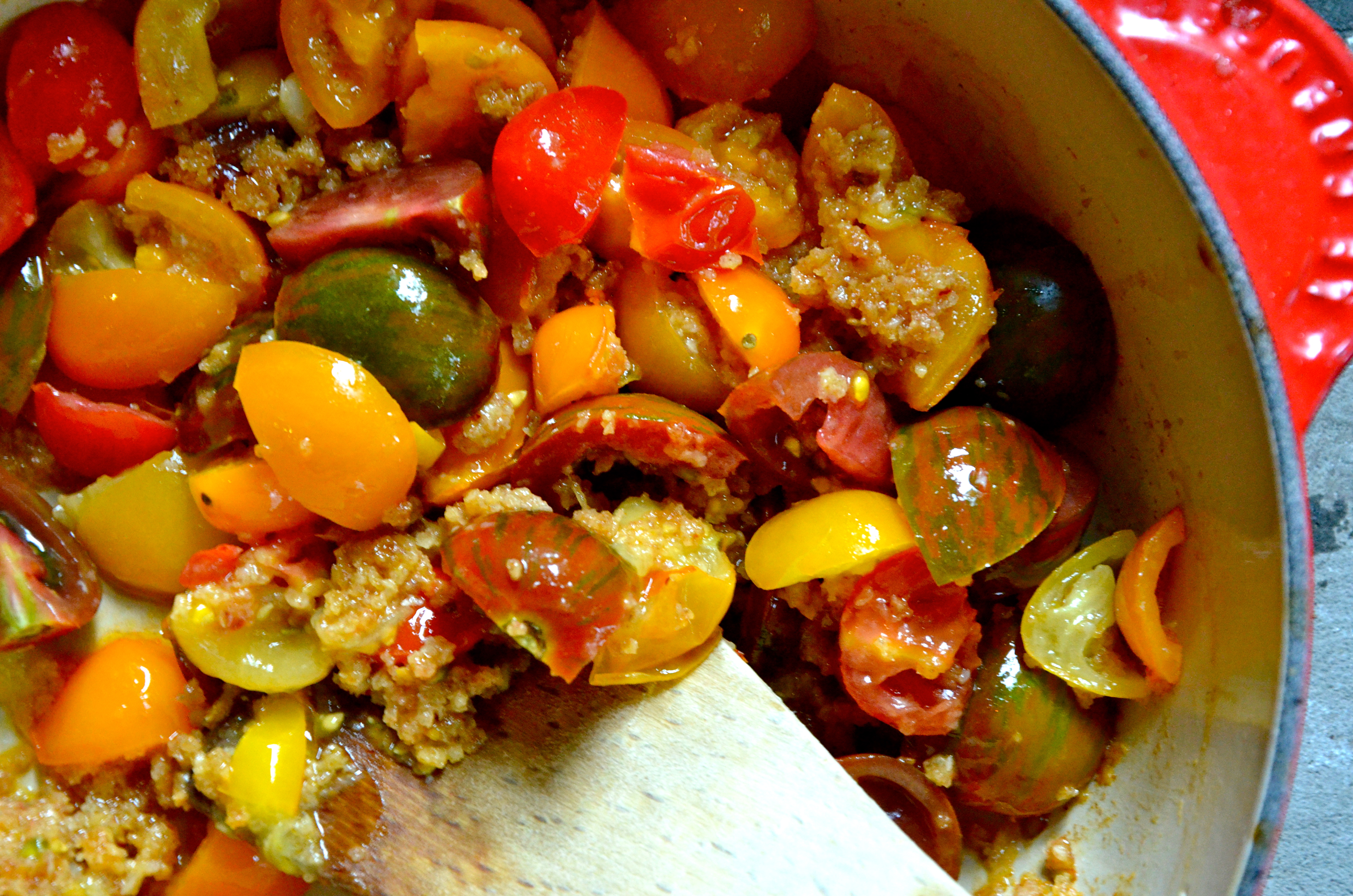
2 ripe heirloom tomatoes, chopped
sea salt and pepper
Bring a large pot of salted water to boil. Once it’s hit a rolling boil, reduce heat and add the pici. Cook until al dente.
Meanwhile, heat olive oil in a heavy bottom skillet over medium heat. Add garlic and cook until the garlic becomes fragrant but don’t let it brown. Add breadcrumbs and saute for 2 or 3 minutes. Add peperoncino or red pepper flakes to your desired heat (I put red pepper flakes in a pepper grinder and just add 2 or 3 good turns). Add chopped tomatoes, sea salt and pepper to taste, and let simmer until the sauce melds and reduces slightly.
Toss cooked pici with the spicy garlic sauce and watch it disappear. I made a motherload the other day for the kids, with the hope I would have leftovers, but alas the bowl was licked clean.
arugula salad with fennel and crispy mushrooms
August 5, 2012
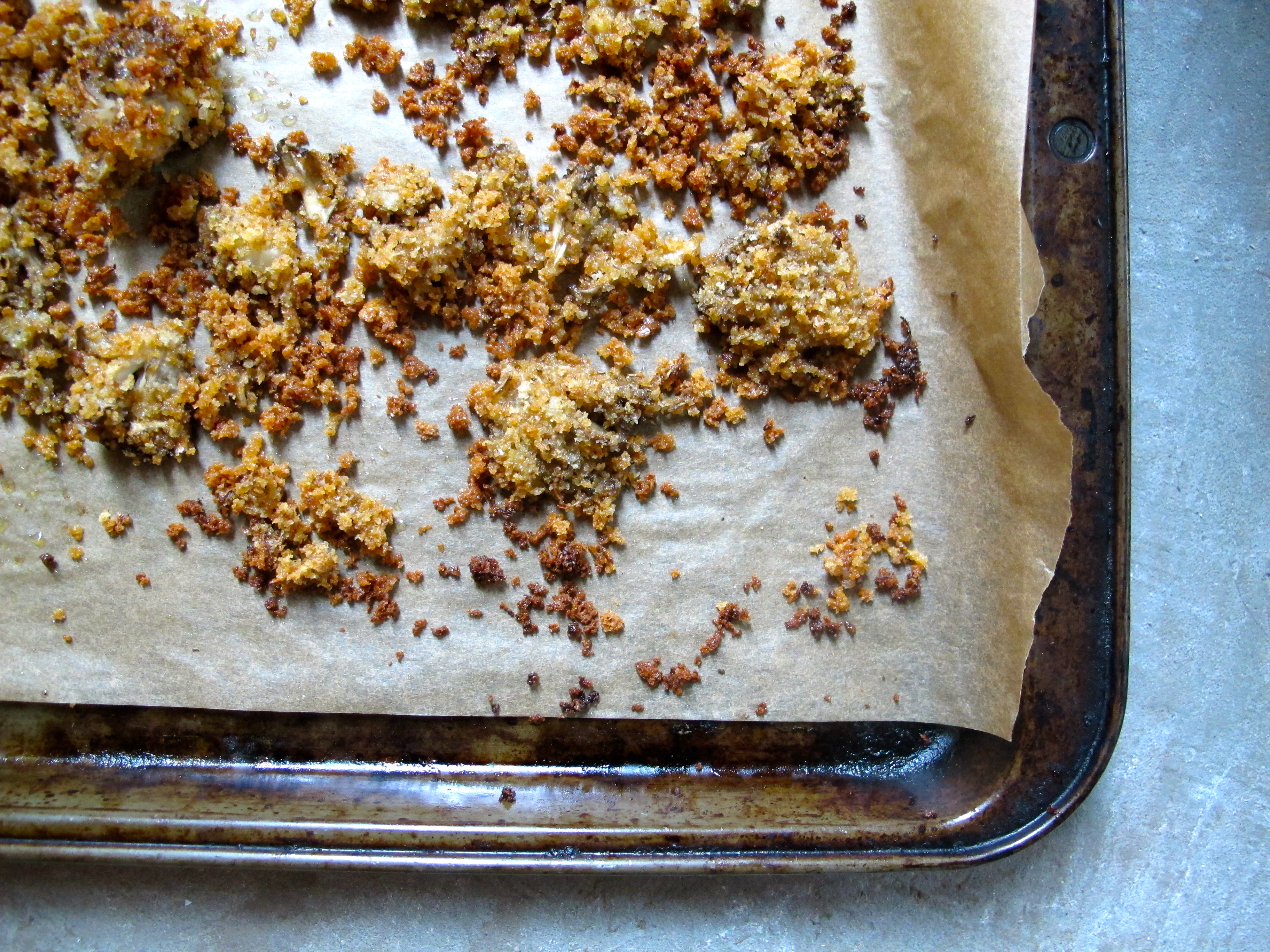
While arugula salad is versatile enough to go a number of different directions, I like the subtle combination of arugula and shaved fennel, with these crispy garlicy baked mushrooms to add flavour and texture. I use maitake which grow in clusters at the base of trees, particularly oaks, and are known in English as hen-of-the-woods, ram’s head, and sheep’s head. But I like to use the traditional Japanese word maitake because it means “dancing mushroom” which is a lovely image to have in one’s head (and salad).
1/2 cup olive oil
2 cloves garlic, minced
1/2 cup course bread crumbs
sea salt and pepper
A couple bunches maitake
1 head arugula
1 bulb fennel, very finely sliced
Juice from 1/2 lemon
1/4 cup olive oil
1/8 cup balsamic vinegar
sea salt and pepper
In a mixing bowl, combine olive oil and minced garlic. In a separate mixing bowl, combine bread crumbs and sea salt and pepper. Dip maitake in the olive oil mixture and then dredge in the bread crumbs being sure to let any excess oil drain off the mushrooms before dredging. Place on a baking sheet lined with parchment paper and bake at 400 degrees for about 20 minutes until they are sizzling and golden brown. When done, remove from the oven and let cool.
Meanwhile, wash the arugula and spin dry. Mix with the shaved fennel. Toss both with lemon juice, olive oil, balsamic and a little salt and pepper to taste.
To serve, pile the arugula on a plate and adorn with some maitake. Or if you like the element of surprise, place the maitake on a plate and then cover with a big pile of arugula so these tasty mushroomy morsels are discovered only by digging into your salad. This recipe would be awesome with the addition of some grated parmigiano if you eat cheese. But if you don’t, you’re not missing anything since the maitake are the star of the show.
strawberry and cherry tomato salad
July 27, 2012
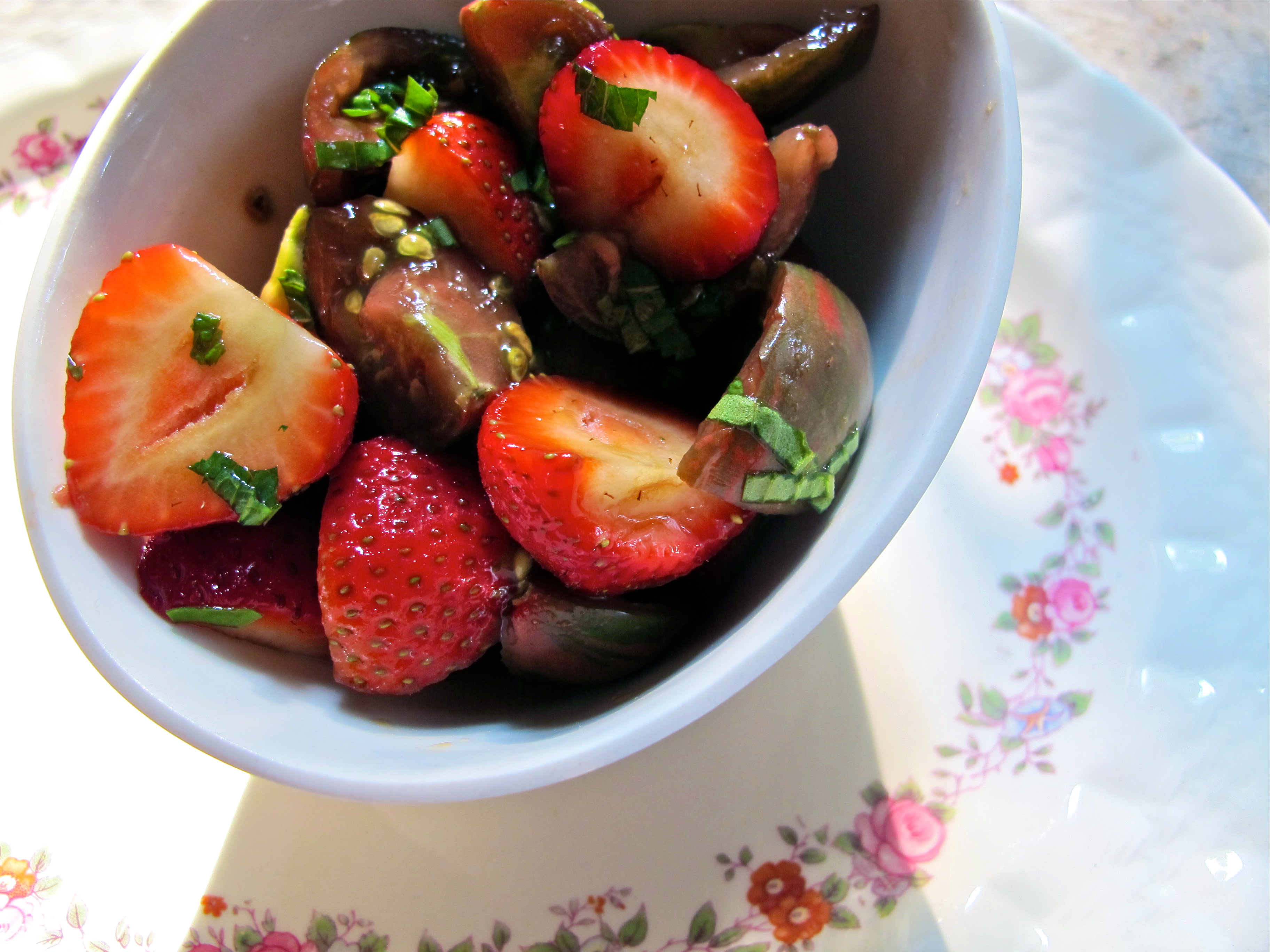
Strawberries and cherry tomatoes? Sound like strange bedfellows I know. But these two fruits of summer make exquisitely sweet partners in this scrumptious salad. Good for a starter or a dessert, they come together in a marriage bed of mint, basil, and balsamic vinegar. My neighbour, Karen, gave me some of her home-grown violet jasper tomatoes which I used, but experiment with any cherry tomato and take full advantage of summer’s best flavours. Together. Forever.
Handful of strawberries, halved
Handful of cherry tomatoes, halved
2 tsps aged balsamic vinegar
2 tsps fresh squeezed lemon or orange juice
small bunch of mint and basil leaves, minced
twist of pepper from the pepper mill
Mix the strawberries and tomatoes together in a bowl. Toss with balsamic vinegar, lemon juice, minced herbs, and pepper. Serve before or after dinner with a nice crisp white wine.
blueberry muffins
July 16, 2012
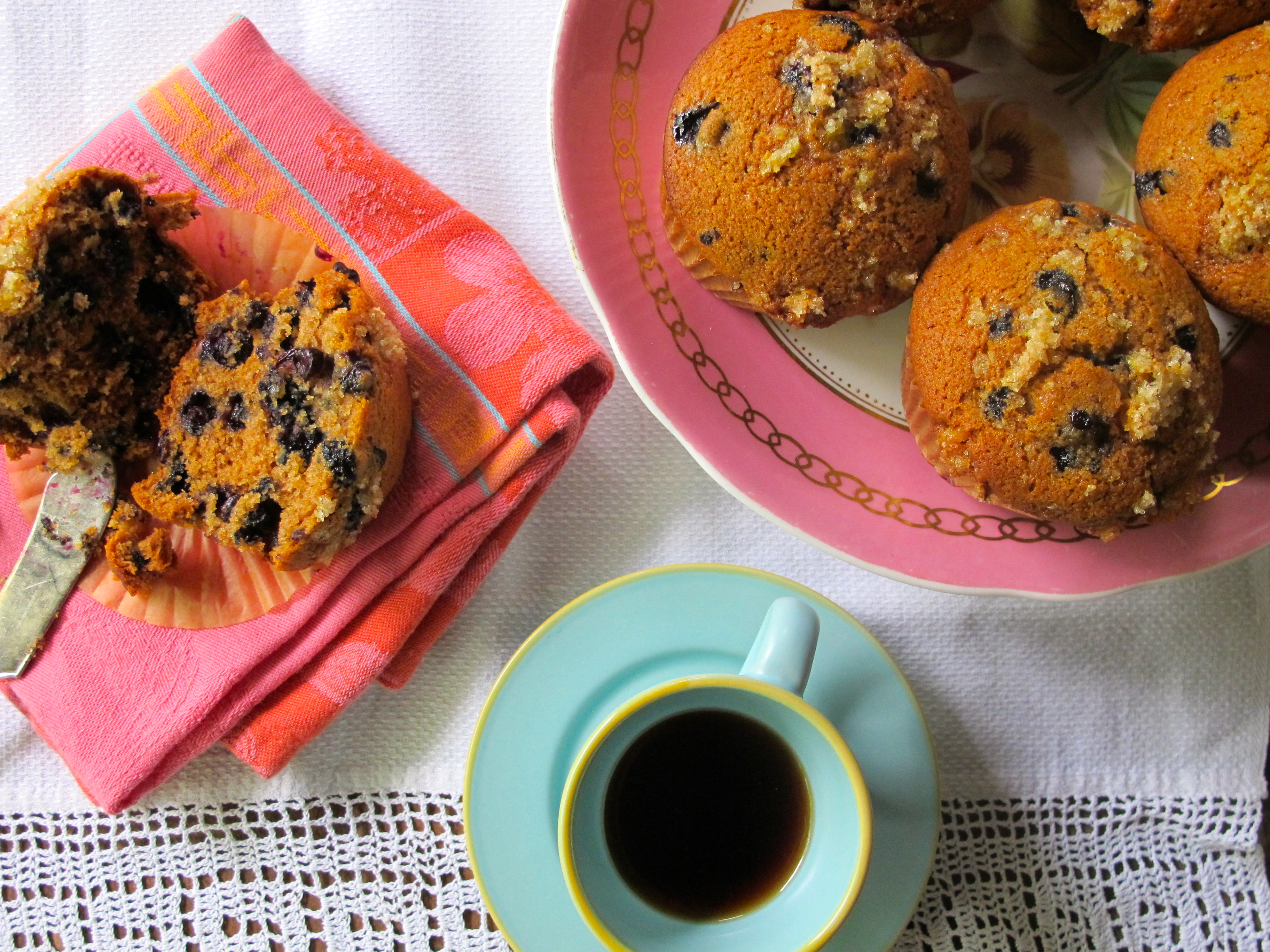
Where I am in Ontar-i-o the wild blueberries are in season. Every year I buy a basket or two and freeze those sweet little babies to use throughout the year. They are tart and tangy and full of anti-oxidants, which we could all use a lot more of. In honour of my mom, who used to always make blueberry muffins with sugary-lemon topping, I pulled out the babycakes cookbook and tried their vegan version. Fab-fab-fab-u-lous. What better way to start the day in mid-July when the blueberry bushes are dripping with nature’s bounty?
2 1/4 cups whole spelt flour
2 tsps baking powder
1 tsp baking soda
1 tsp sea salt
1/2 cup coconut oil
2/3 cup agave nectar
2/3 cup rice milk
2 tsps pure vanilla extract
1 cup fresh wild blueberries
4 tsps organic cane sugar
2 tsps organic lemon zest
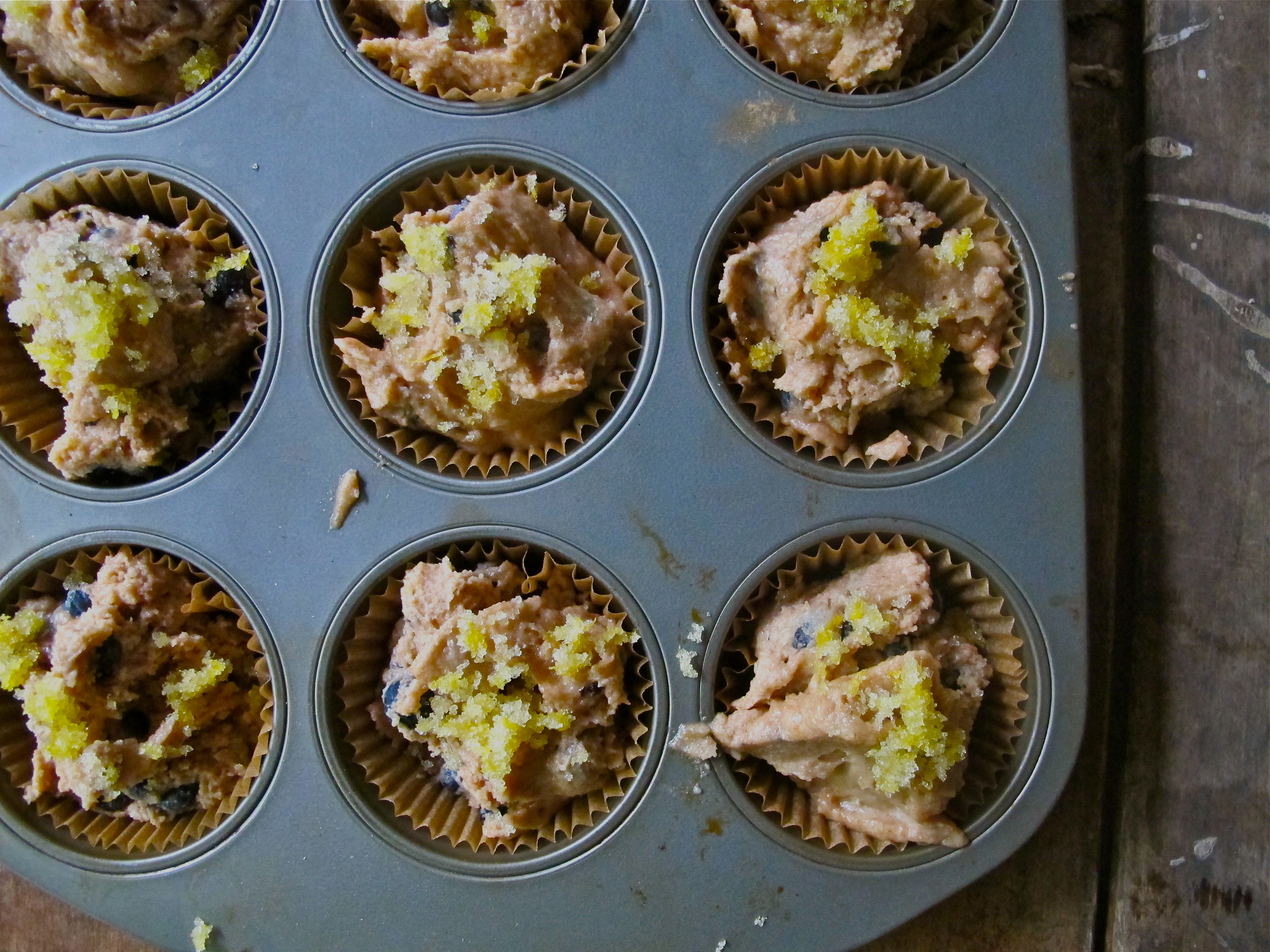
Preheat the oven to 325 degrees. Line a standard 12-cup muffin tin with paper liners.
In a medium bowl, whisk together the flour, baking powder, baking soda, and salt. Add the oil, agave nectar, rice milk, and vanilla to the dry ingredients and stir until the batter is smooth. Gently fold in the blueberries just until they are evenly distributed throughout the batter.
Combine the cane sugar and lemon zest. Fill each muffin cup to almost the top. Sprinkle each muffin with a generous helping of the sugar/zest combo. Bake the muffins on the centre rack for 22 minutes until a toothpick inserted in the centre comes out cleanly.
Let the muffins stand in the tin for 15 minutes, then transfer them to a wire rack and cool completely. Serve warm on a mellow Saturday morning with a good cup of java.
stuffed zucchini blossoms
July 14, 2012

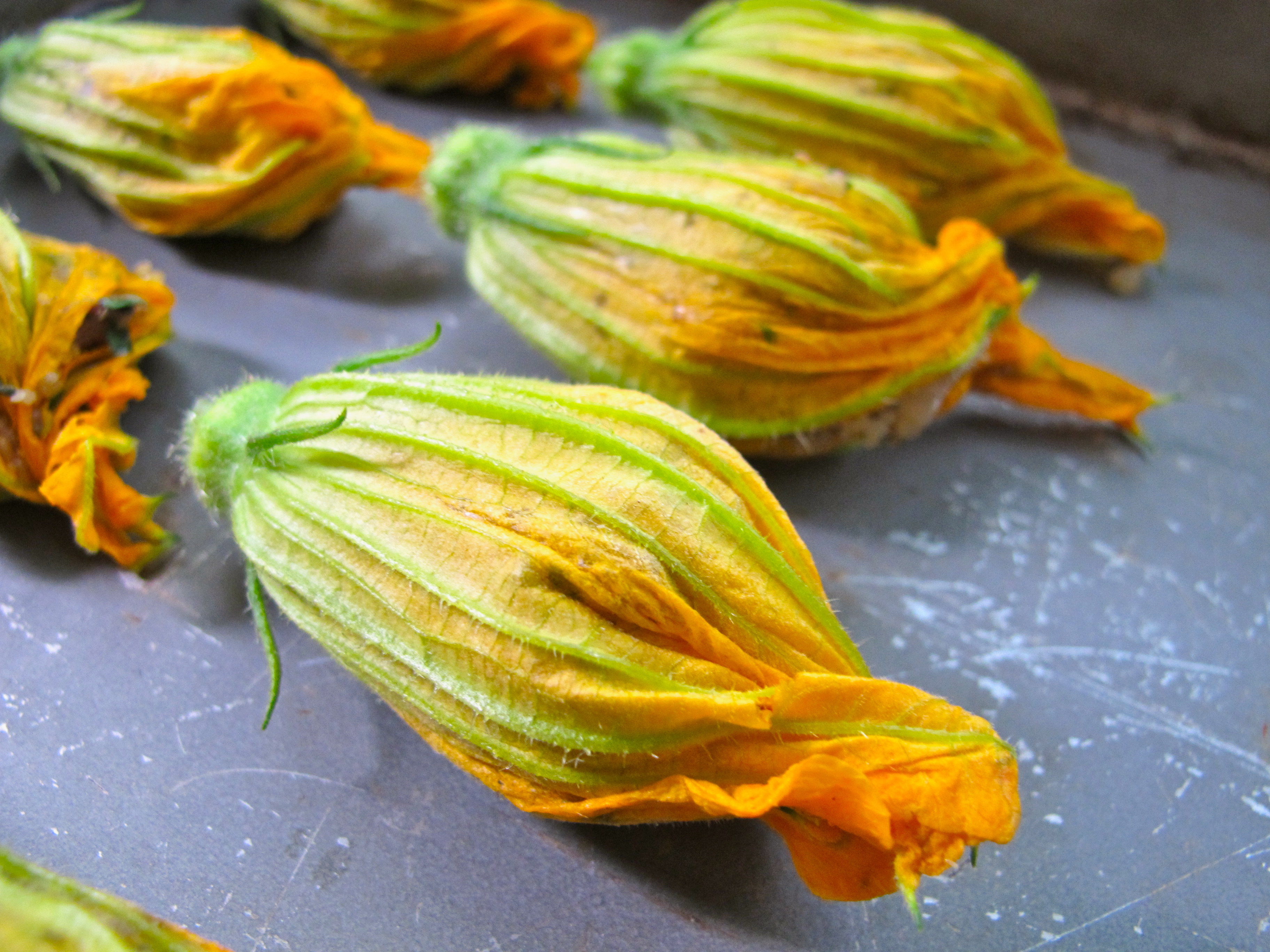
Wendall Barry – a brilliant author/poet/thinker – wrote “We live the given life, not the planned.” Today I must agree. What I had planned was a vegan clafouti with carefully researched options and sourced ingredients. What I was given was some gorgeous zucchini blossoms fresh from the vine. The gift inspired me, I cooked up some savoury stuffing, and friends and family around the table fought over the last blossom of delight. These are delicate, interesting, uplifting, and versatile enough to go with any of your best-loved dishes. Check out your local farmers’ market and stuff away!
4 tbsps olive oil
1 onion, chopped finely
2 cloves garlic, minced
1 1/2 tbsps capers, chopped
6 olives, pitted and chopped
1/2 cup cooked quinoa
1/4 cup panko or course bread crumbs
3 tbsps fresh herbs, chopped
sea salt and pepper
10 zucchini blossoms
Heat olive oil in a heavy bottomed skillet. Add onion and sauté until soft and translucent. Add garlic and sauté another minute or two until garlic is fragrant. Add chopped capers and olives. Add quinoa and panko. Add fresh herbs as well as salt and pepper to taste. Let all the ingredients simmer away for a few minutes until well blended and cooked through.
Meanwhile, trim the stem at the bottom of the zucchini blossom. Carefully remove the stamen from inside the flower being careful not to rip the delicate flower. Add approximately 1 – 2 tsps of stuffing to each blossom and then twist the ends to seal in the goodness. Place stuffed blossoms on a cookie sheet and bake in the oven at 350 degrees for approximately 20 minutes.
deep-fried tofu with brown rice salsa
June 24, 2012
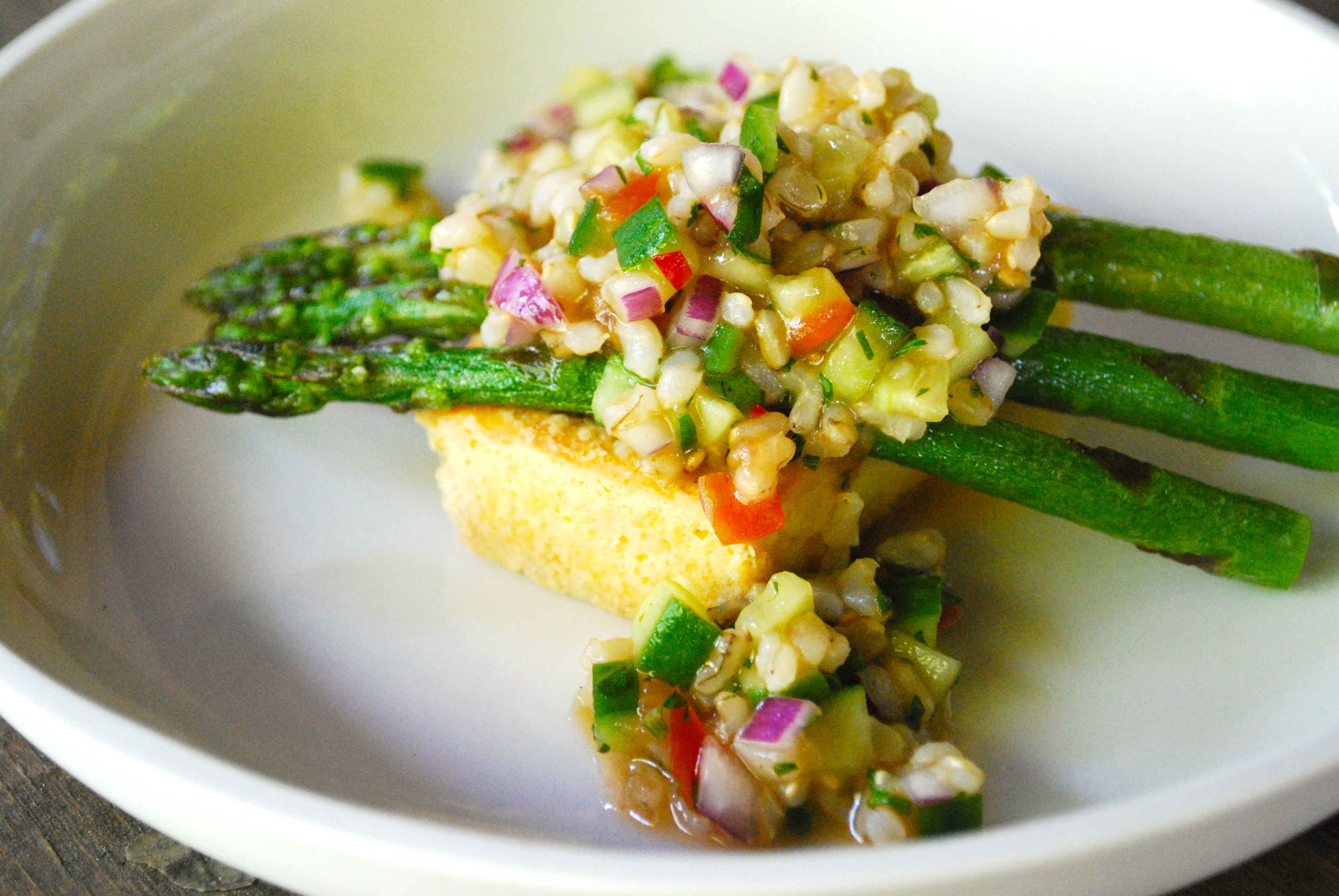
Nobu Matsuhisa is a superstar Japanese chef. He just came out with Nobu’s Vegetarian Cookbook which is really Nobu’s Vegan Cookbook since he doesn’t tend to use any dairy. I found this recipe for deep-fried tofu and brown rice salsa to which I added deep-fried asparagus because it’s yummy and easy and asparagus is still in season … soon to end. So sad. After deep-frying the tofu, I just threw the asparagus in the same oil for a minute, max. Once asparagus is out of season I probably won’t use it but one could easily substitute it with any other tasty plant matter for added colour, texture, and taste. Not only is this delicious and healthy but showy too, so it would be perfect for a simple summer backyard dinner party.
1 pound firm tofu
Flour for dredging
1/4 cup olive oil
1/2 cup brown rice, cooked
1/2 small red onion, finely diced
1/2 small cucumber, finely diced
1/2 tomato, finely diced
1 tsp minced cilantro
1/2 tsp minced jalapeño pepper
1/2 tsp soy sauce
1 tbsp lemon juice
1 tsp sea salt
pepper to taste
1 1/2 tbsp olive oil
To prepare the tofu, wrap it in a few layers of paper towel, place it on a cookie sheet, and then weight it down with a heavy pot. Let sit, allowing it to drain for about an hour.
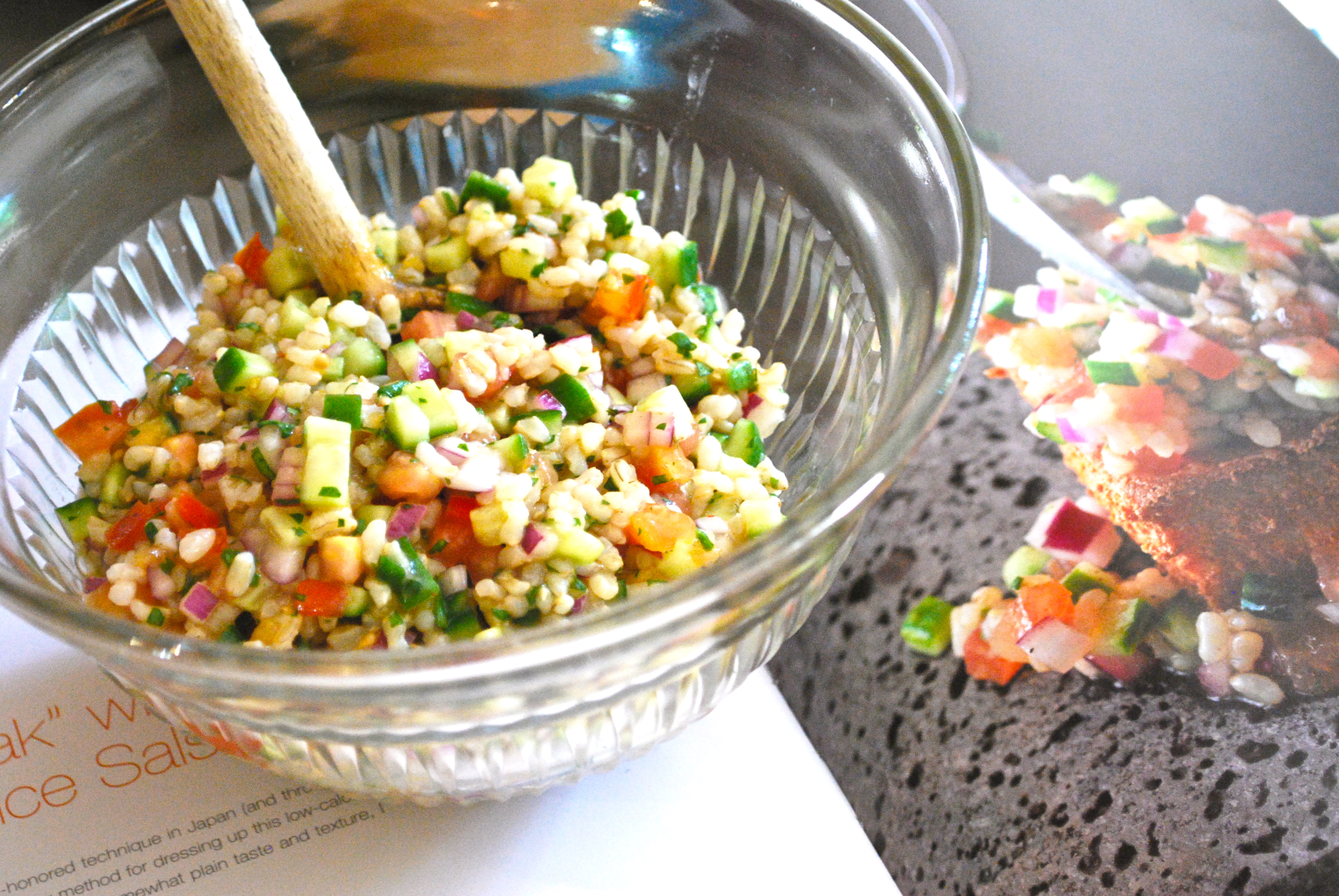
Meanwhile, mix together rice, red onion, cucumber, and tomato. Add cilantro and jalapeño. Mix the ingredients for the dressing together – soy sauce, lemon juice, salt, pepper and olive oil. Toss with the rice salsa and mix well. Set aside.
Once the tofu has drained, cut it in thick slices and dredge in the flour. Heat the oil in a heavy bottom skillet until it’s very hot. Add the dredged tofu and fry until it turns a golden brown colour. Flip and do the same on the other side. Once the tofu is crispy and brown, place it on some paper towel.
If you are using the asaragus, toss it in the hot oil for a minute maximum until it sizzles but stays a nice bright green. To serve, place the asparagus on top of the tofu, and then add a generous serving of the brown rice salsa.
sushi balls
June 10, 2012
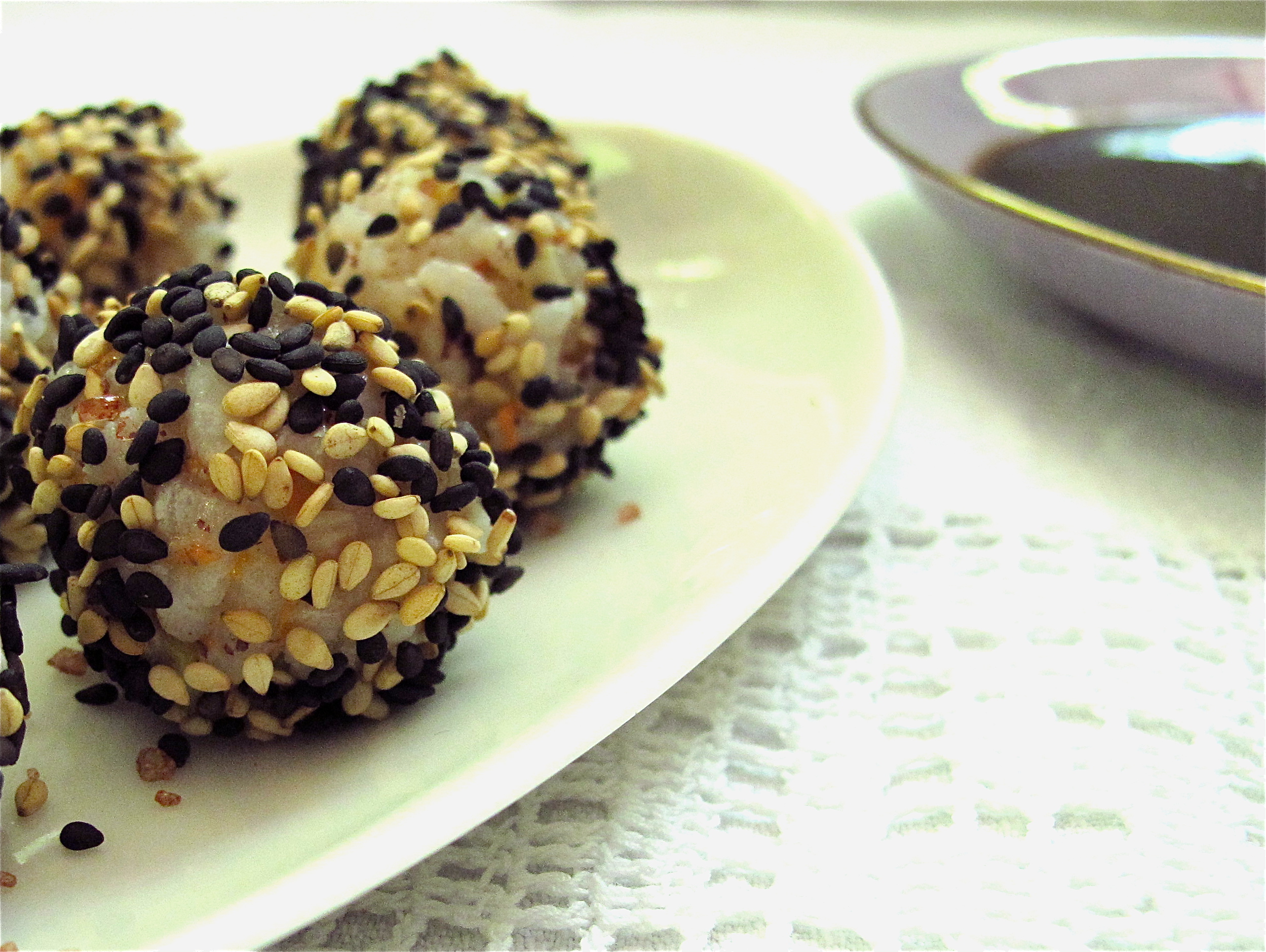
These little morsels of heavenly, healthy finger food are fabulous for party appetizers, for a light dinner with steamed kale and smoked tofu on the side, or as a snack mid-afternoon when the munchies hit. I’m also thinking that they’d be awesome for a road trip. We have a few ahead of us this summer and I already can’t wait to pull over beside a little northern stream and eat these for lunch instead of being forced to pull over at a roadside diner or the standard highway mega-chains. Balls to that! I’m having modern-day traveling sushi packed full of carrots, green onion, and seaweed to go.
2 cups sushi-style rice
1/3 cup rice vinegar
2 tbsps sugar
1 1/2 tsps sea salt
1/4 cup seaweed, dulse, hijiki or seaweed of choice, chopped finely
2 carrots, grated finely
5 green onions, chopped finely
1/4 cup black and/or white sesame seeds
1/4 cup tamari
sesame oil
Rinse the sushi rice and and then cook according to directions.
Meanwhile, in a large bowl mix together rice vinegar, sugar and salt. Add carrots, green onions, and seaweed. Mix and set aside.
Toast the sesame seeds in a skillet over medium-high heat until they are golden brown and their nutty flavour starts to come out. Stir constantly to make sure you don’t burn them. Transfer to a bowl and set aside to cool when done.
When rice is done, turn off the heat and let it sit for about 10 minutes to cool. After 10 minutes or so, place rice in the bowl with the vinegar, carrots, seaweed etc. Stir gently but consistently for about 3 – 5 minutes to let the steam escape. At this point you can leave the rice to cool for 1 – 2 hours or you can start to form the balls immediately.
To form the balls, take a spoonful of rice and roll it out between your hands. It helps if your hands are damp (it is sticky rice after all!) so keep a bowl of water nearby to occasionally wet your hands so the rice doesn’t stick to you. Form all the balls and then roll the balls in the sesame seeds to lightly coat them. Refrigerate the balls until you are ready to serve. Let them sit at room temperature for about 10 minutes before serving.
Set them out beside a small bowl of tamari and a few drops of sesame oil for dipping.
 v:gourmet